Ten states have so far been granted waivers from certain federal education accountability, spending and other standards since January 2026. These moves come as the Trump administration encourages states to seek such waivers as it moves to downsize the federal footprint in education.
In announcing the first waiver — granted to Iowa in January — the U.S. Education Department said it was "empowering state education officials to have more discretion over their federal education dollars." The Returning Education to the States waivers are being granted under the Elementary and Secondary Education Act.
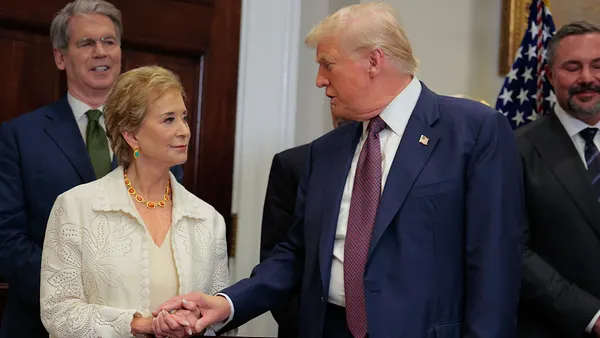
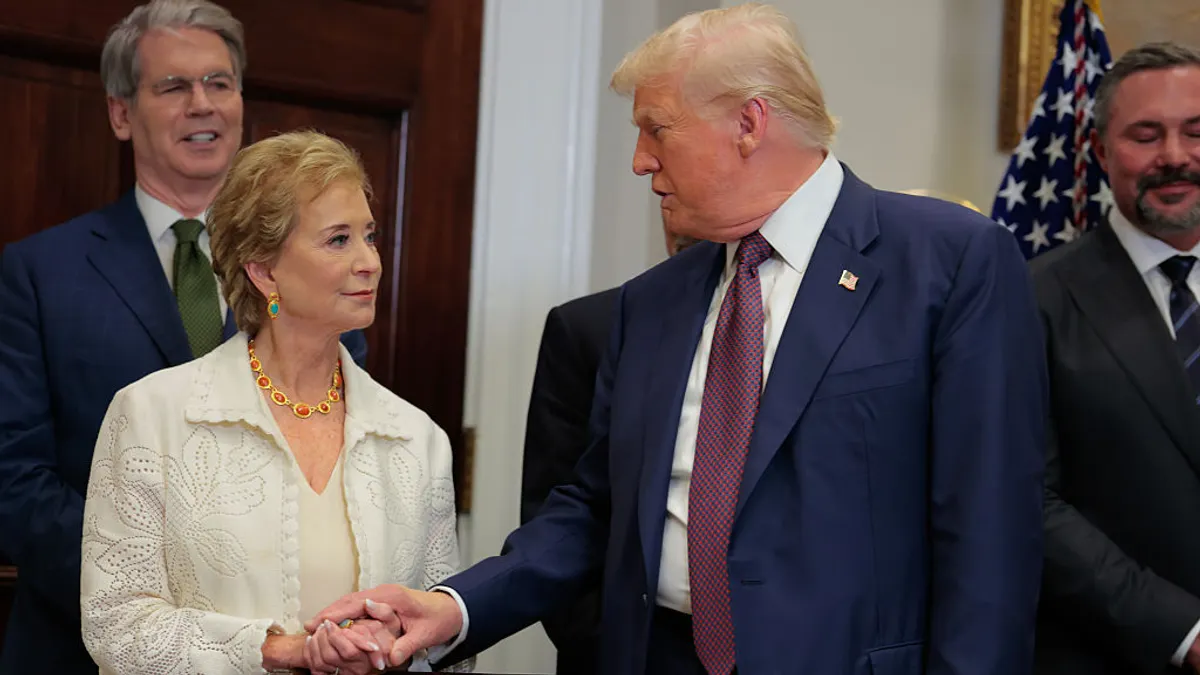
“Under President Trump’s leadership, we will continue to identify avenues to reduce burdensome requirements and maximize flexibility for state leaders to invest in their students," U.S. Education Secretary Linda McMahon said in a statement.
However, critics say that in loosening accountability and oversight standards for states, the waivers risk equity for underserved students and opening the door for money to flow to school choice options rather than traditional public schools.
While the waivers and how states plan to use them vary, they consolidate or redirect millions of dollars in federal funding streams, and some reconfigure states' accountability performance factors.
The waivers are built upon the clear intent of the Education Department, under the direction of President Donald Trump, to close down the 46-year-old agency to the greatest extent legally possible.
In March 2025, on the heels of mass layoffs that gutted the agency's staff, Trump issued an executive order telling McMahon to “take all necessary steps to facilitate the closure of the Department of Education."
Since then, the department — steeped in litigation over those attempts — has continuously stressed its goal to grant state waivers from what it calls "burdensome statutory and regulatory provisions."
Below, K-12 Dive is tracking the states that have received waivers and what flexibilities they allow.