Most clicked story of the week:
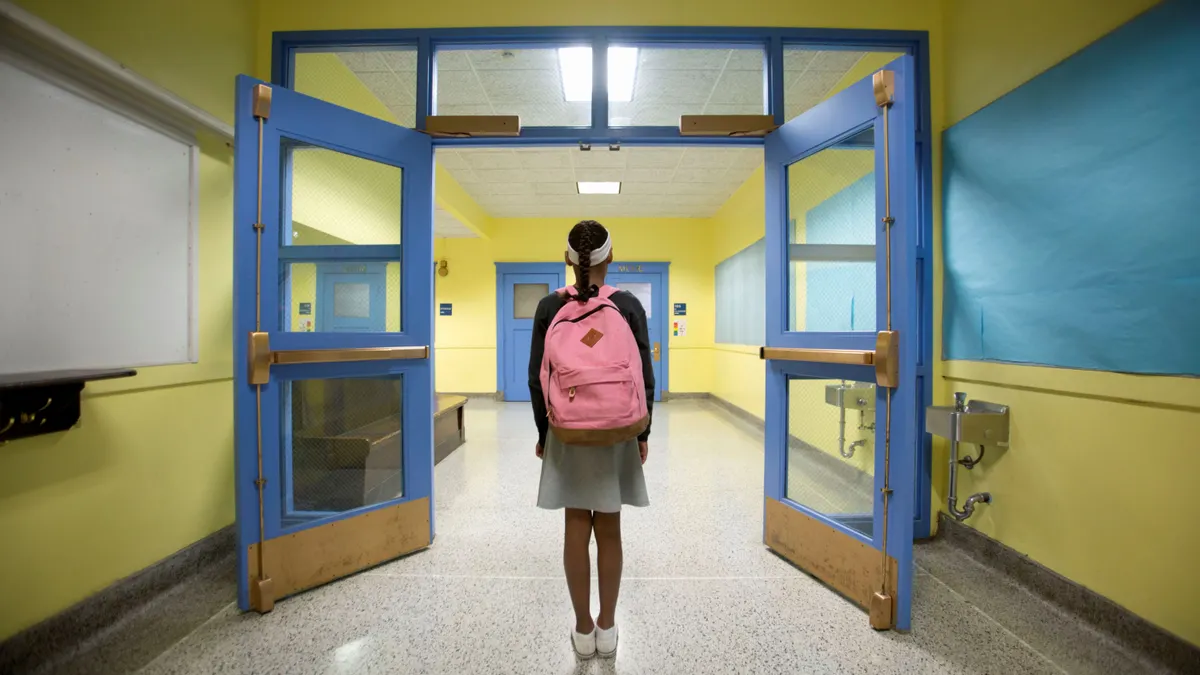
As schools work to reduce their student chronic absenteeism rates, two recent reports highlight which strategies are the most and least effective in improving attendance. For instance, the reports concluded that attendance efforts that strongly rely on truancy laws to get students back in classrooms are less effective than approaches that focus on other strategies like building family engagement and fostering student connectedness.
Additionally, school leaders using multiple evidence-based strategies at once to tackle chronic absenteeism saw more success than principals who only used one effective strategy, according to an analysis of principal surveys by the Everyone Graduates Center, Partnership for Student Success and the GRAD Partnership.
The percentage increase in the number of special education state complaints nationwide between the 2023-24 and 2024-25 school years, according to an analysis released in October by the Center for Appropriate Dispute Resolution in Special Education. There were 10,610 written state complaints filed in 2024-25 — rising from 9,927 the year prior, found CADRE, a federally funded technical assistance center. Over the last decade, meanwhile, the total state complaints surged by 113% between 2014 and 2024.
Trump administration doubles down on privacy law enforcement
- The second Trump administration continued its efforts last week to curb school districts' LGBTQ+-inclusive practices via enforcement of federal privacy laws. For instance, the U.S. Department of Education announced on Oct. 26 that it’s investigating three California school districts over their ethnic studies curriculum that included “Wheel of Power/Privilege” or “Mapping My Identities” activities. The department said the activities’ “invasive questionnaires” make them subject to the Protection of Pupil Rights Amendment, which mandates that schools alert parents and obtain their written consent before surveying students on topics that would reveal sensitive information.
- The next day, the U.S. Department of Justice sued a Maryland school district under two federal privacy laws — PPRA and the Family Educational Rights and Privacy Act. The Oct. 27 DOJ lawsuit said Anne Arundel County Public Schools staff withheld a student's “male name” — which didn't match the student's legal name — from the student's parents. The lawsuit was filed despite the district making recent changes to its LGBTQ+ policy following pressure from the Trump administration.
K-12 cybersecurity vulnerabilities persist
- A majority of K-12 leaders — 87% — reported that phishing or email compromises are one of the most common cybersecurity incidents impacting their schools or districts, according to an Oct. 27 report released by top cybersecurity groups and led by the Center for Internet Security. More broadly, just over half of schools or districts said they experienced a cybersecurity incident in the last year, CIS found in its survey of 426 K-12 cybersecurity and tech leaders conducted between August and September.
- On Oct. 28, Sen. Bill Cassidy, R-La., demanded answers regarding a recent cybersecurity incident at Educational Testing Service that left millions of current and former California students’ private information exposed. ETS is the world's largest private educational testing and measurement organization. In his letter to ETS, Cassidy, who is chairman of the U.S. Senate Health, Education, Labor, and Pensions Committee, asked what protocols the company has in place to protect against cyberattacks and when the company first became knowledgeable about the cybersecurity incident.
Quote of the week:
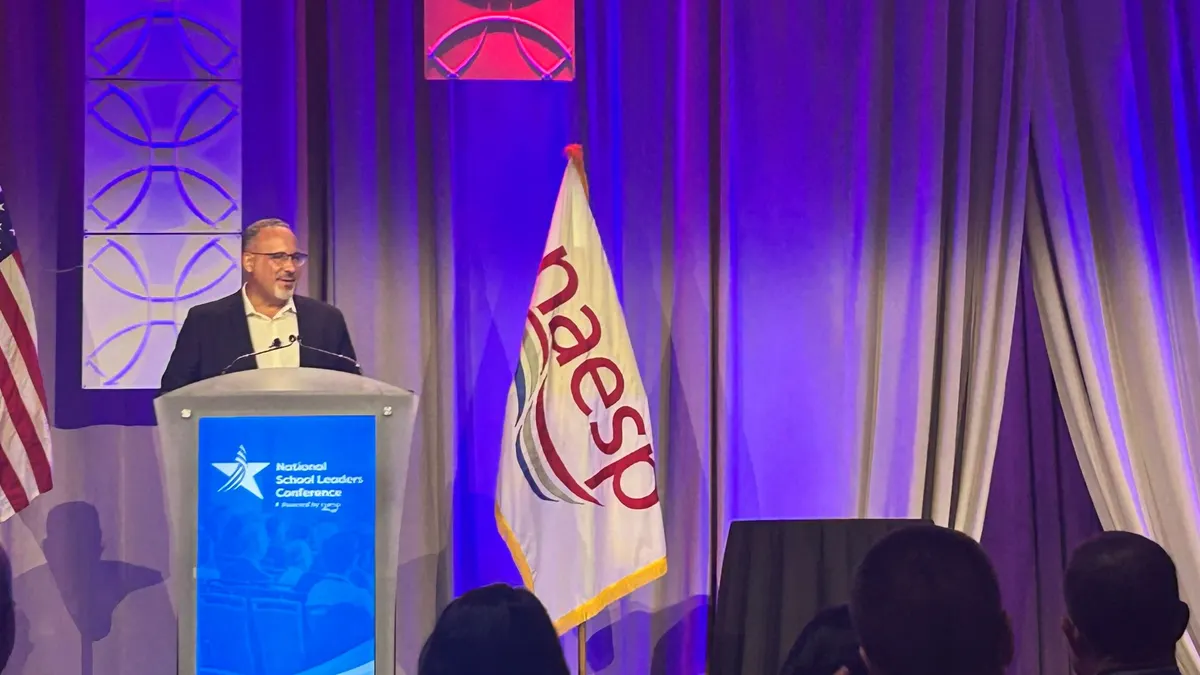
CTE kind of stands on its own right now. We have a lot of support from both sides of the aisle when it comes to CTE.

Ryan French
Assistant superintendent for business and operations, Western Maricopa Education Center
While many public schools nationwide continue to struggle with shrinking enrollment and teacher shortages for hard-to-staff roles, Arizona's Western Maricopa Education Center is trying to expand and keep up with growing student demand. On top of that, the career and technical education district has almost no CTE teacher vacancies, French said, crediting the district’s competitive salaries. He added that the growing public support for CTE is helping the district invest and build more campuses in high demand industries like healthcare and technology.