The U.S. Supreme Court's emergency order earlier this term against school districts' supportive measures for transgender students is having ripple effects nationwide — with appellate courts revisiting cases, investigations launched into districts, and other policy upheaval in light of Mirabelli v. Bonta.
For instance, the 9th U.S. 9th Circuit Court of Appeals on June 18 issued a temporary block on California's state law that prohibited districts from requiring teachers to notify parents when students' gender identity or sexual orientation change — unless the student consents to parental notification.
California's AB 1955, or the Support Academic Futures and Educators for Today’s Youth Act, became the first such law in the nation when enacted in 2024. It was meant to prohibit the "outing" of students to parents without students' permission, which some say can be harmful for students' mental health and physical safety, especially in abusive homes.
Also known as the SAFETY Act, the measure contrasted to a number of laws in Republican-leaning states and policies in districts, including at least one within California, that require parental notification where students change their gender identity.
However, the 9th Circuit issued a temporary pause June 18, saying those seeking to stop the California law have a good chance of succeeding "in light of Mirabelli."
"Under Mirabelli, an objecting parent who is the target of AB 1955’s effort to prohibit constitutionally required mandatory policies has standing to seek injunctive relief to remove that unlawful impediment to compliance with the Constitution," a three-judge panel wrote in City of Huntington Beach v. Newsom, which overturned a previous 9th Circuit decision to not pause the law.
The decision comes months after another one issued in April by the 3rd U.S. Circuit Court of Appeals. That ruling said parents could seek damages in their lawsuit challenging Pennsylvania's Pine-Richland School District's policy limiting parental involvement in the students' gender identity and support process in school.
"Although the Mirabelli opinion is not conclusive on the merits of that case, it remains informative to lower courts considering similar cases," the April 23 decision said.
What is the Mirabelli case?
The Mirabelli case was filed in 2023 — before passage of the SAFETY Act — by parents and teachers against the Escondido Union School District and the California State Board of Education who alleged that gender support policies violate their First and 14th Amendment rights.
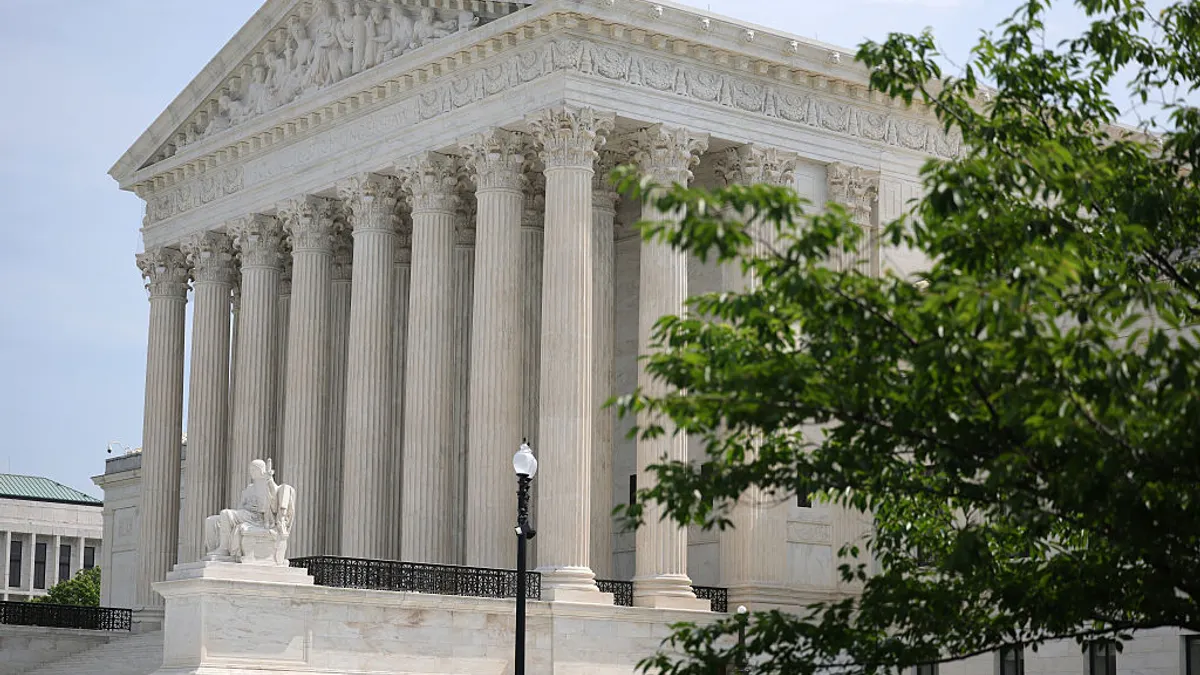
Three years later, the Supreme Court this term issued an opinion in Mirabelli through its emergency, or shadow, docket without hearing oral arguments. That approach has increasingly been used in recent years by the high court to quickly settle legal disputes without going down the traditional avenues.
The Supreme Court put the case on its shadow docket after plaintiffs appealed it in a January emergency request. In an unsigned opinion issued in March to strike down the California district's policies, justices wrote that “parents who assert a free exercise claim have sincere religious beliefs about sex and gender, and they feel a religious obligation to raise their children in accordance with those beliefs.”
Since then, the Supreme Court has rejected hearing a case on the issue the traditional way at least three times, despite many looking to the Supreme Court to formally resolve the controversy.
Therefore, the decision in Mirabelli continues to inform policies nationwide.
What's happened since the decision?
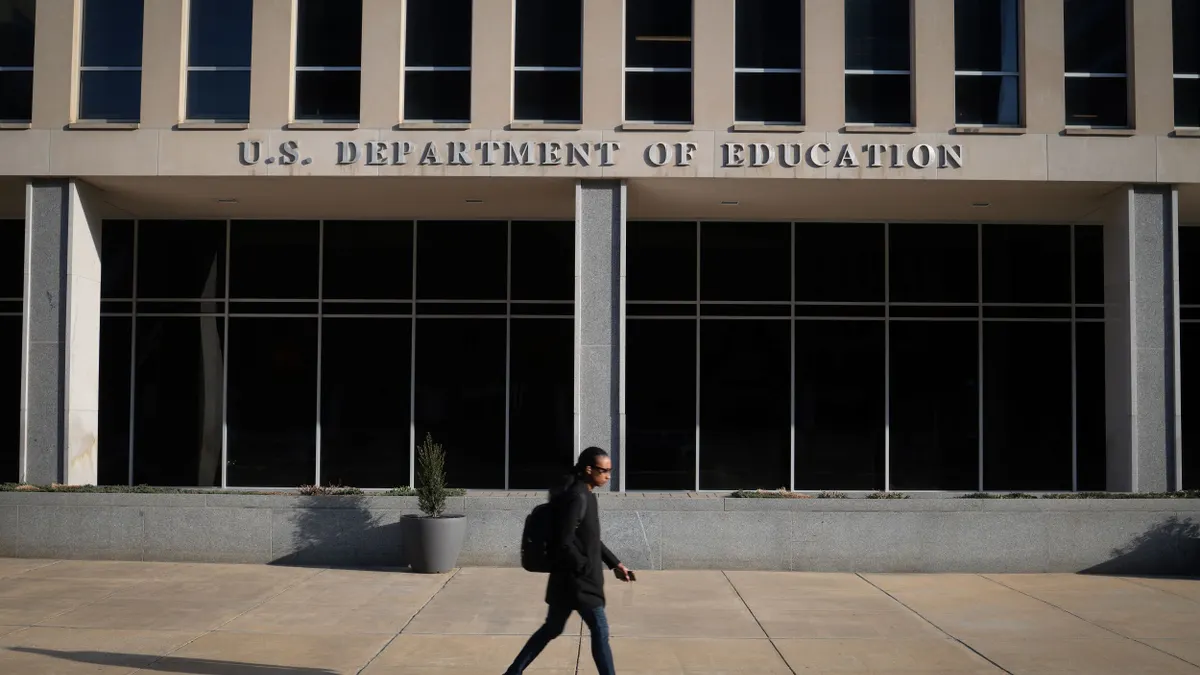
The U.S. Department of Justice this month launched investigations into four California public school districts, including the San Francisco Unified School District, over their LGBTQ+ policies, including whether they're adhering to Mirabelli v. Bonta.
“This Department of Justice will not tolerate local school authorities trampling on the rights of parents concerning the education of their children,” said Harmeet Dhillon, assistant attorney general of the Justice Department’s Civil Rights Division, in a June 8 statement. “The Supreme Court’s recent decisions in Mahmoud and Mirabelli have put all school districts on notice: policies that keep parents in the dark about sexuality and gender ideology in the classroom must end now.”
Together, the Supreme Court’s decisions in Mahmoud v. Taylor and Mirabelli v. Bonta expanded parental rights by setting precedent on school districts’ parental notification policies when it comes to LGBTQ+-related curriculum, via the former case, and students’ gender transitions, as in the latter case.
The Justice Department launched similar investigations into over 30 Illinois school districts in April, also citing Mirabelli and saying that "Supreme Court precedent leaves no doubt: parents have the fundamental right and primary authority to direct the care, upbringing, and education of their children."
However, Supreme Court justices in the minority on Mirabelli expressed their doubts in their dissent, saying the case “shows, not for the first time, how our emergency docket can malfunction." Justice Elena Kagan, who was joined by Justice Ketanji Brown Jackson, said the court had “scant and, frankly, inadequate briefing about the legal issues in dispute” when it wrote the majority opinion.