Dive Brief:
- More than 9 million public school students across 10,000 schools nationally were impacted by extreme weather — such as wildfires, floods and extreme heat — during the 2024-25 school year, according to an analysis by UndauntedK12, a nonprofit that helps schools respond to climate change challenges.
- The weather-related impacts included school cancellations, early releases and delays. In California, for instance, about 70,500 students lost over 740,000 combined instructional hours during the 2025-26 school year due to extreme weather events, UndauntedK12 found.
- As severe weather continues to impact educational operations, UndauntedK12 said district and state leaders should take proactive steps to make schools more resilient to specific climate-related events and to take advantage of federal energy tax credits to modernize campuses to be more weather resilient.
Dive Insight:
During the 2025-26 school year, nearly half a million students were impacted by extreme heat-related school closures or early dismissals. Almost all of these academic disruptions were in states located across the northern half of the U.S., typically because the buildings lacked reliable air conditioning, according to UndauntedK12.
Other reports in recent years have also detailed the impact of changing weather on schools.
For every day students were not in school because of hurricanes and wildfires, there was an average of 3.6 days of instructional loss, according to a 2025 report from NWEA, a research and assessment company. The calculation is based on state end-of-school year standardized test data for Hurricanes Katrina, Florence and Matthew and for wildfires in California occurring between 2009 and 2017.
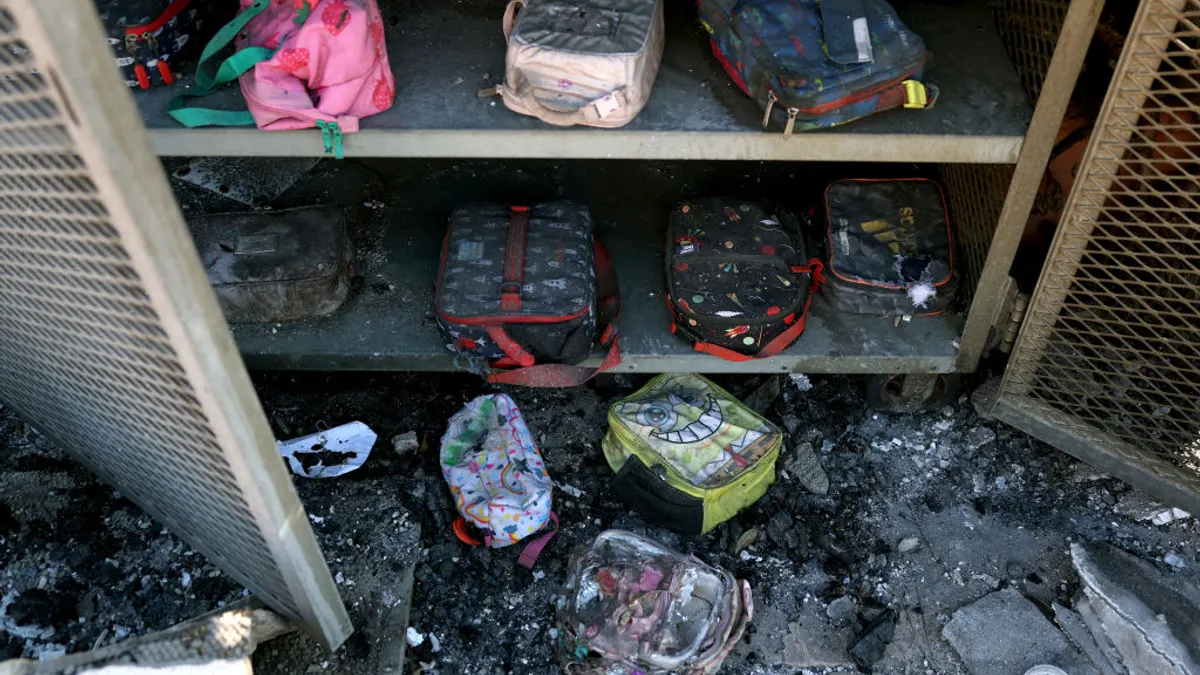
Severe weather not only impacts instruction, but can also add to students' and staff emotional stress and hurt schools financially, NWEA found. The financial burdens come from repairing damaged or destroyed buildings. For instance, it cost $2 billion and took 18 years to complete repairs to more than 100 damaged or destroyed schools in the New Orleans community after Hurricane Katrina in 2005.
To prepare for future climate-related events, here are a few suggestions from UndauntedK12:
- Protect indoor air quality and reduce classroom temperatures. By creating a management plan for energy efficient indoor air quality and modernizing HVAC systems, schools can work proactively to provide learning environments that support students' well-being and academic performance.
- Prepare for extreme weather. UndauntedK12 and other organizations have resources that can help administrators plan for climate-related events and learn from other school systems that have recovered from severe weather disruptions.
- Maximize funding to make improvements. In addition to tapping into available federal energy tax credits, districts can build a financing and funding plan for preparing for facility modernization projects and take other strategic steps to invest in healthy campuses.
- Teach students about climate impacts. Free resources like Seeds to Solutions' instructional materials help educators provide lessons to students on environmental issues, such as food waste, water use and wildfire management.