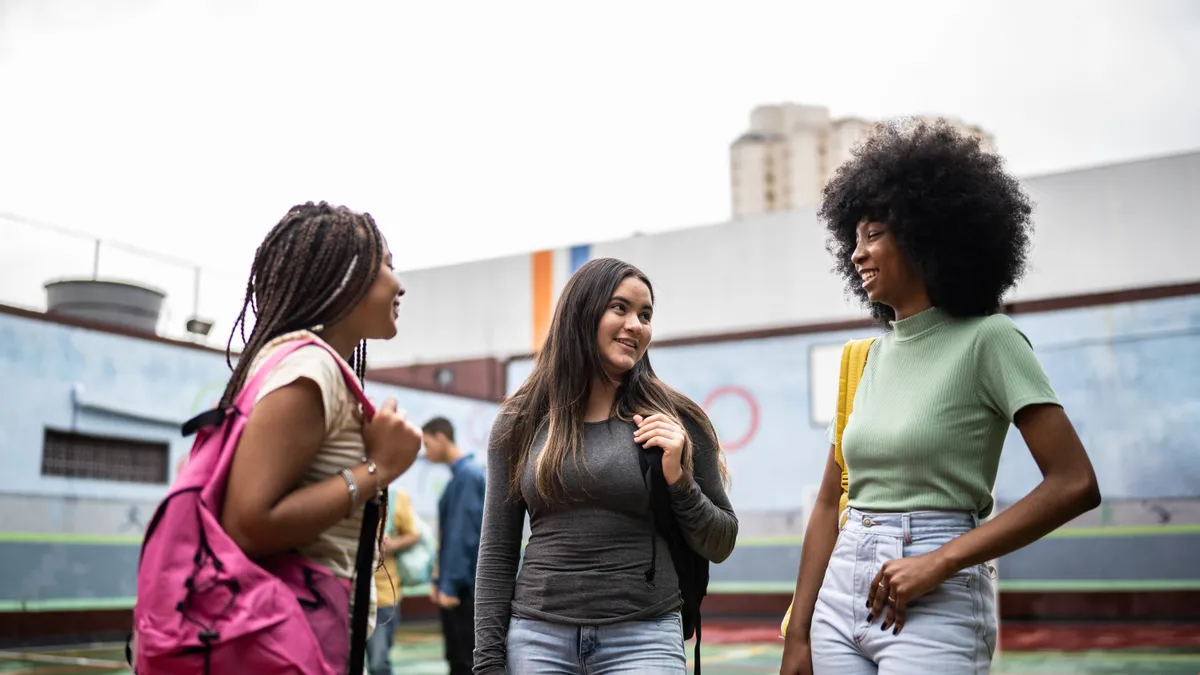
Building skills and habits around finding and expressing gratitude can improve students’ day-to-day mindset, their longer-term emotional and mental health, their interpersonal interactions and overall classroom culture.
Educators can help bring this about, although they need to be schooled in how to do so at each developmental stage, according to Vicki Zakrzewski, education director at the Greater Good Science Center at the University of California, Berkeley.
Gratitude is a relational virtue that requires recognizing that someone has done something for you, and that there was a cost to what that person did, Zakrzewski said.
“Gratitude communicates that you really matter,” she said. “Students have to have that ability to recognize that somebody else has done something for you. Gratitude can be fairly complicated when you break it down, cognitively and emotionally.”
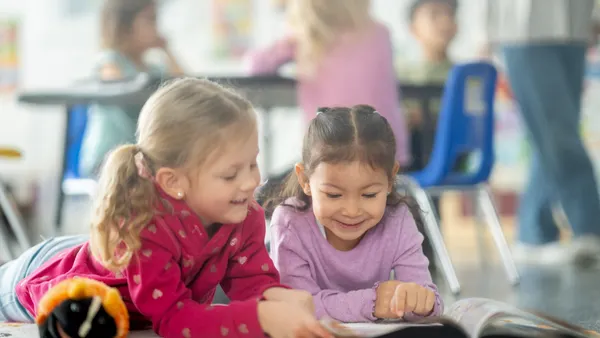
For the youngest students, that means teaching what gratitude is in the first place by reflecting on what the emotions surrounding gratefulness feel like, Zakrzewski said.
“You’re helping them define it,” she said. “When is a time somebody did something kind for you? How did that feel? … Students don’t really get a sense of pure gratitude until they have the ability to empathize with others. You’ll see it become more relevant to students who are around 2nd or 3rd grade.”
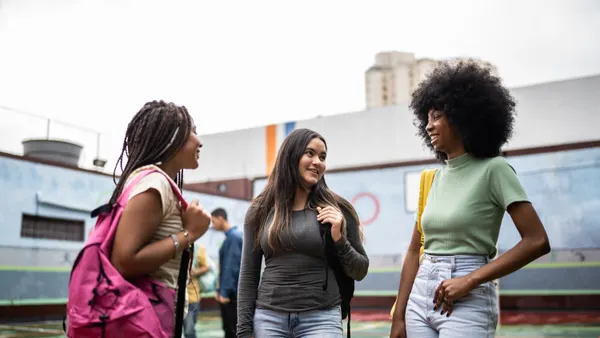
By middle school, students have the ability to think larger, beyond their own circles, about people who have made a difference in society. When addressing people they know personally, Zakrzewski suggests having them write a gratitude letter.
“That’s one of the most powerful activities,” she said. “If they can, have them deliver it to the person and read it out loud.”
However, educators might have to take a different tack with high school students, who can tend to roll their eyes at a gratitude-related activity. Zakrzewski suggests starting by involving them in a conversation about what gratitude is and how to express it, and then launch an activity so it becomes part of their daily life.
“Of course, there’s the traditional gratitude journal, every day or once a week, where you say what you’re grateful for,” she said. “A powerful thing with high school students in particular is to do self-science: have them notice how they feel before and after they do a gratitude journal."
Students could then decide how often they want to keep a journal, and keep notes about how they feel in week one compared to week four.
Research has shown that when somebody does something for you, it enhances your self-worth and improves relationships, Zakrzewski said. And improved relationships are important in building classroom culture.
Another activity Zakrzewski recommends is transforming complaints into gratitude.
"If you find your students are starting to go down the complaining route, and you want to help change that mindset, take the complaint, but turn it into something you feel grateful for,” she said.
For example, if there’s a math test on Friday, a student might reflect that they are grateful they get to exercise their brain and how that can help them in the future. Cultivating the habit of gratitude and seeing the world through that lens removes a feeling of entitlement, which research has shown provides mental, emotional and physical health benefits for adults, Zakrzewski said.
“That’s a beautiful way of going through the world,” she said. “If you can cultivate that as a student, the benefits are tremendous.”
Research also has shown that not all cultures practice gratitude in the same exact way, and educators should delve into that aspect, as well, Zakrzewski said.
“That’s really important for teachers, if they’re going to do gratitude activities,” she said. “Have conversations with students’ parents, or students themselves, about how gratitude shows up in your culture.”