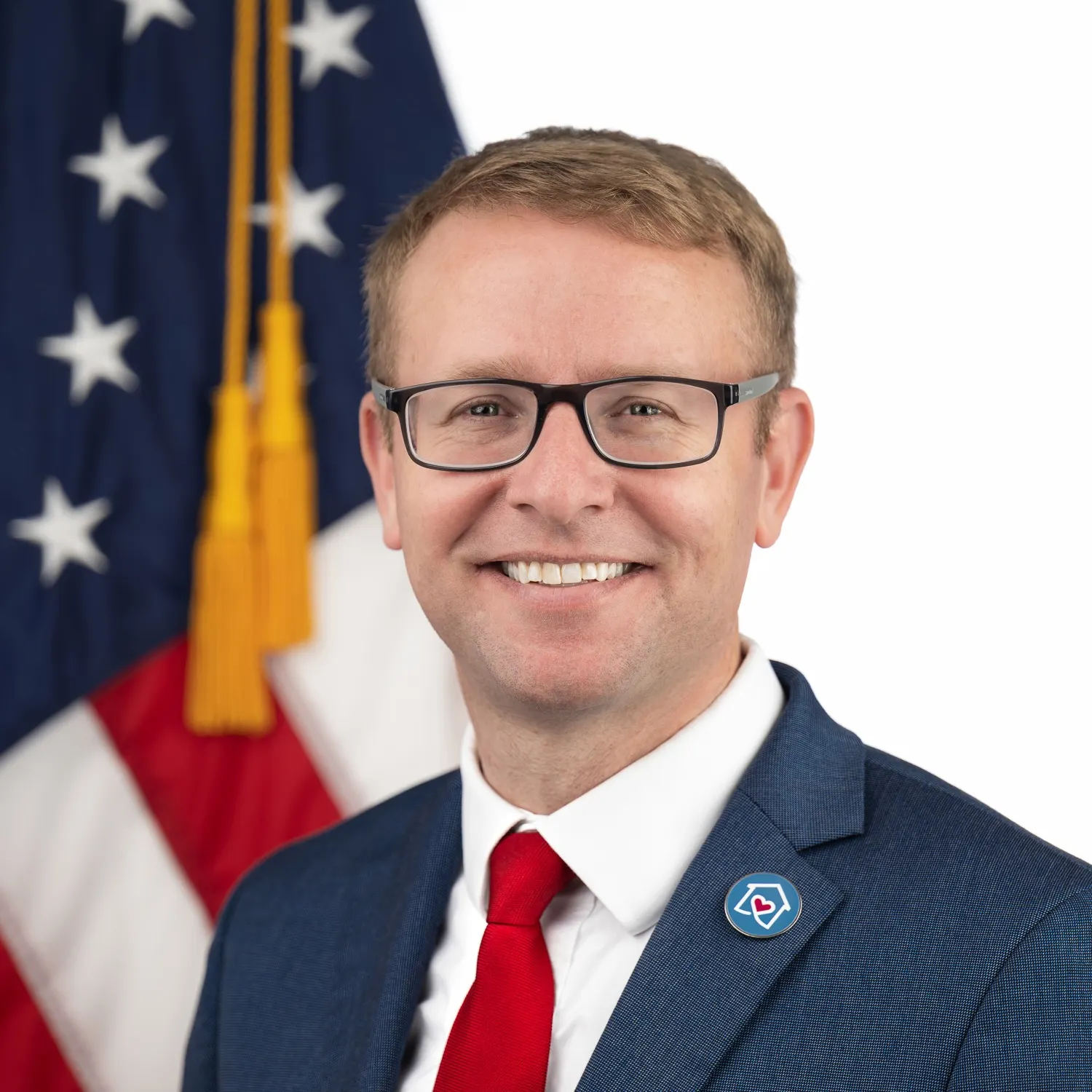
Alex Adams is assistant secretary of Administration for Children and Families at the U.S. Department of Health and Human Services, and Lizbeth Casco White is director of the Office of Head Start within HHS.
Head Start’s greatest strength is the people who make the program work.
We’ve witnessed this firsthand while visiting Head Start centers across the U.S. over the past year.
Each center has unique challenges that are known best to the directors, teachers, family-service professionals, health specialists and parents within that community.
As the Administration for Children and Families works to strengthen Head Start for the next generation, federal policy must begin with the same trust that families place in these local leaders every day.
Head Start operates through more than 1,600 local grantees facing very different realities. They share a mission, but not the same local needs and challenges. Federal policy has repeatedly failed to recognize that.
That is why the Trump Administration, through ACF, is working to give local programs greater flexibility. Approximately three-quarters of Head Start centers are already state licensed. By leveraging state standards and oversight that already exist, and by moving decision-making closer to the people affected by those decisions, we can simplify administration and allow more resources to reach classrooms, children and families.
Flexibility is permission, not a mandate. A program with a model that works can keep it — and is encouraged to do so. Another Head Start center may find that a thoughtful adjustment would help it open up more classroom space, extend operating hours, improve transportation, or respond to a workforce shortage.
The opportunity to make a different choice does not mean every program will — or should — make one, but programs need the flexibility to improve and innovate as soon as challenges arise.
Yet some critics speak as though the moment Washington loosens its grip, Head Start leaders will rush to cut corners. That is not just wrong, it is an insult to the professionals who have sustained this program for six decades.
Too often, “quality” becomes a euphemism for control: When a local program reaches a conclusion different from the one preferred by self-appointed national experts, its judgment is treated as suspect.
We reject that premise. Through our meetings with Head Start leaders, we have come to know and trust their expertise, commitment, and seriousness of purpose. They understand which schedules work for local parents, how alternate pipelines may help recruit qualified staff, and where limited resources can make the greatest difference.
No federal regulation can replace that local knowledge and care.
Parents also have a formal voice through statutorily established Head Start Policy Councils, which participate in important decisions about program design and operations. Local flexibility does not mean decisions are made behind closed doors. But rather these decisions are shaped by professionals and parents who know the children involved.
Nor does flexibility mean freedom from accountability. Programs must protect children, manage public funds responsibly, deliver comprehensive services, and demonstrate results. ACF will continue to monitor performance and act when programs fall short.
The goal is to maintain safeguards while also ensuring accountability is focused on what actually matters, rather than whether every community follows the same top-down federal input mandates.
In recent years, funded Head Start slots have declined substantially even as federal spending increased to record levels. Rising costs and increasingly complex requirements have made it harder for programs to hire staff, keep classrooms open, and serve the number of children their communities need.
A federal rule preferred by Washington elites does nothing for a child whose classroom never opens or for the families who miss out as slots disappear. In fact, many of the critics of local control are the same ones who oversaw the loss of 97,625 funded Head Start slots between Fiscal Years 2022 and 2024, depriving thousands of children of access to the known benefits of the program.
Washington has an important role: set clear expectations, protect children and taxpayers, measure performance, and intervene when programs fail. But it should have the humility to recognize that the people closest to children usually know best how to serve them.
Head Start leaders are not risks to be managed; they are capable professionals who have earned our trust. By giving them room to lead — and holding them accountable for real results — we can strengthen quality, restore access, and build a better Head Start for the next generation.