Dive Brief:
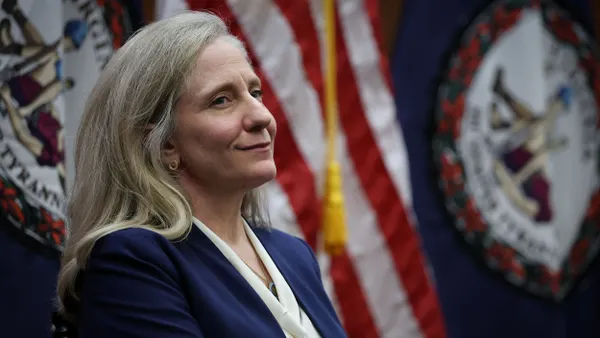
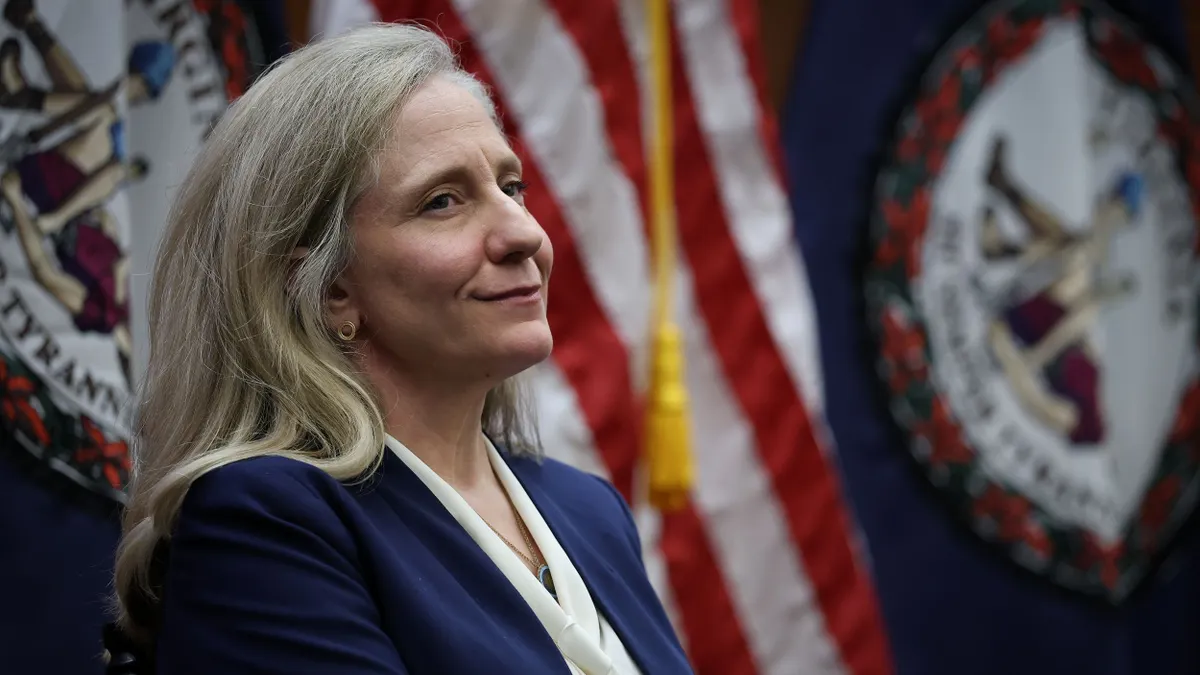
- Virginia will no longer be participating in the new federal Education Freedom Tax Credit program when it launches on Jan. 1, a spokesperson from Gov. Abigail Spanberger’s office confirmed Monday.
- The move comes after former Virginia Gov. Glenn Youngkin, a Republican, announced in January — shortly before the end of his tenure as governor — that he had opted the state into the upcoming federal scholarship tax credit program. It’s anticipated that the program will allow for billions of taxpayer donations to be directed to private and public school services for students through scholarship-granting organizations.
- The latest move by Spanberger, a Democrat, to reverse Virginia’s intent to participate in the Republican-led program is happening as states face a Jan. 1 deadline to inform the IRS of their formal interest in electing into the program. Then, by Feb. 15, states will have to finalize their decision by submitting a list of their approved scholarship-granting organizations.
Dive Insight:
Spanberger decided to pivot away from participating in the first nationwide federal school choice tax credit program because it does not appear it would benefit students in Virginia public schools, the governor’s office spokesperson said in a Monday statement.
“Public money should go to public education,” the spokesperson said.
As of Nov. 13, the IRS reported that 31 states — including Virginia — had indicated their desire to participate in the first federal school choice tax credit program available nationwide. The list still excludes New York despite Gov. Kathy Hochul announcing in October that the state would opt in.
With the midterm elections earlier this month resulting in six state governorships flipping from Republican to Democrat in Alaska, Georgia, Iowa, Nevada, Ohio and Texas, it’s possible that more last-minute changes to stop participating in the Education Freedom Tax Credit, such as in Virginia, could unfold over the next few months. All six states with newly elected Democratic governors have already opted into the program.
The Education Freedom Tax Credit program was approved by the Republican-led Congress in July 2025 when it was included in the One Big Beautiful Bill Act and signed into law by President Donald Trump.
The scholarships — generated through taxpayer donations to SGOs — could go toward both private school tuition and public school expenses like tutoring, ed tech and services for students with disabilities.
Supporters tout that the program will expand education opportunities for students. Critics, however, push back that the program is a threat to public school funding and will mostly benefit wealthy families.
The Virginia Education Association, a statewide union of teachers and school support professionals, in a Monday statement praised Spanberger for her decision to step away from the Education Freedom Tax Credit. The union said it estimated that Virginia public schools could have lost $1 billion annually if the state had moved forward in its participation in the program.
“Ample evidence tells us that voucher programs are damaging to public schools and students, draining resources from already underfunded school systems,” said VEA President Carol Bauer in a statement. “VEA members applaud Governor Spanberger’s wisdom in opting the Commonwealth out of the federal voucher program, the future of which is in limbo anyway as a new Congress takes over early next year.”
Meanwhile, Steven Cheeseman, president and CEO of the National Catholic Educational Association, said in a Saturday statement that he was “deeply disappointed” and “frankly shocked” about Virginia’s decision to no longer participate in the federal scholarship tax credit program. He urged Spanberger to reconsider and continue completing the opt-in process.
“This is a stunning step backward for Virginia families. Walking away from this program puts politics ahead of the more than one million students in Virginia public schools who will miss out on support for tutoring, school supplies, educational technology, and after-school care,” Cheeseman said.
Christian Education Network Founder Aaron Baer called Spanberger's decision “potentially illegal.” Baer added that the legal teams at Christian Education Network and Virginia Christian Education Network are “actively evaluating the governor’s actions.”
“Families should have the freedom to choose the education that best meets their children's needs, regardless of their income or ZIP code. Denying them access to these scholarships is a direct attack on that freedom,” Baer said in a Monday statement.