Lessons In Leadership is an ongoing series in which K-12 principals and superintendents share their best practices as well as challenges overcome.
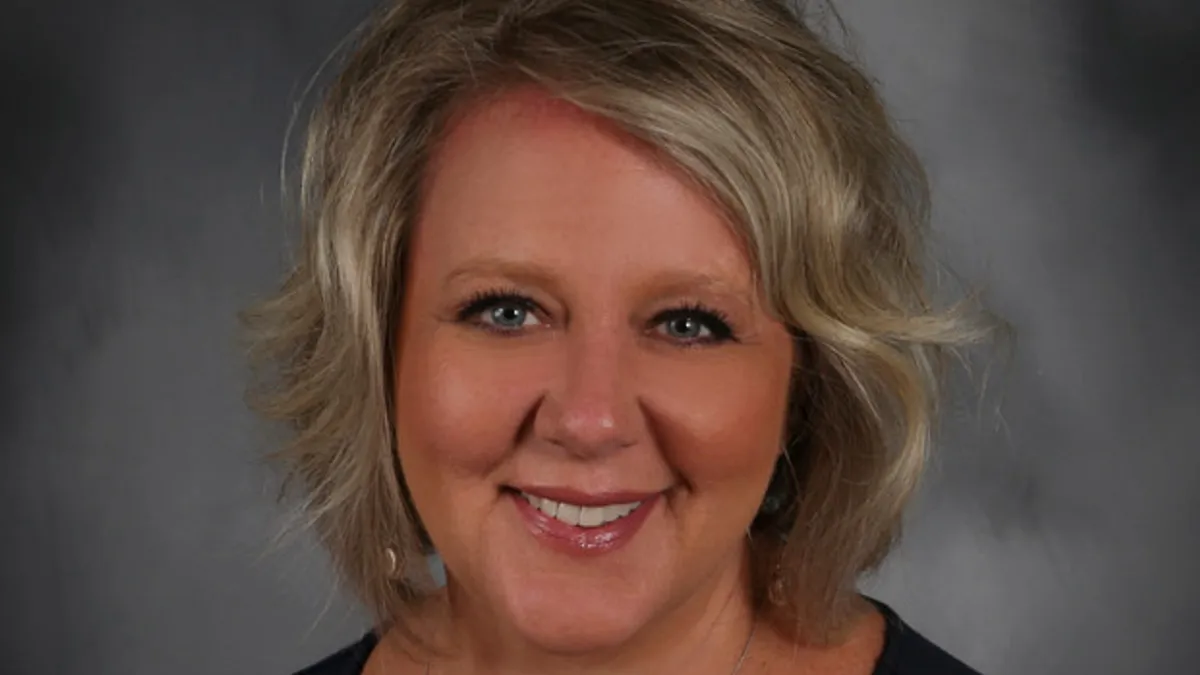
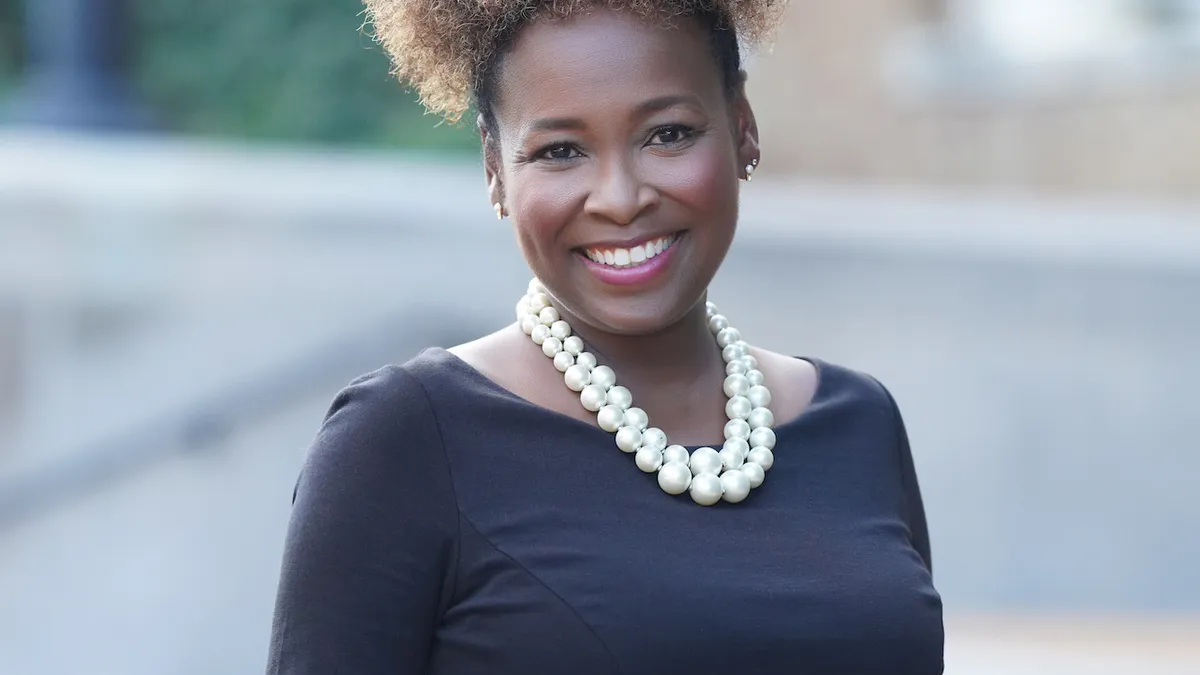
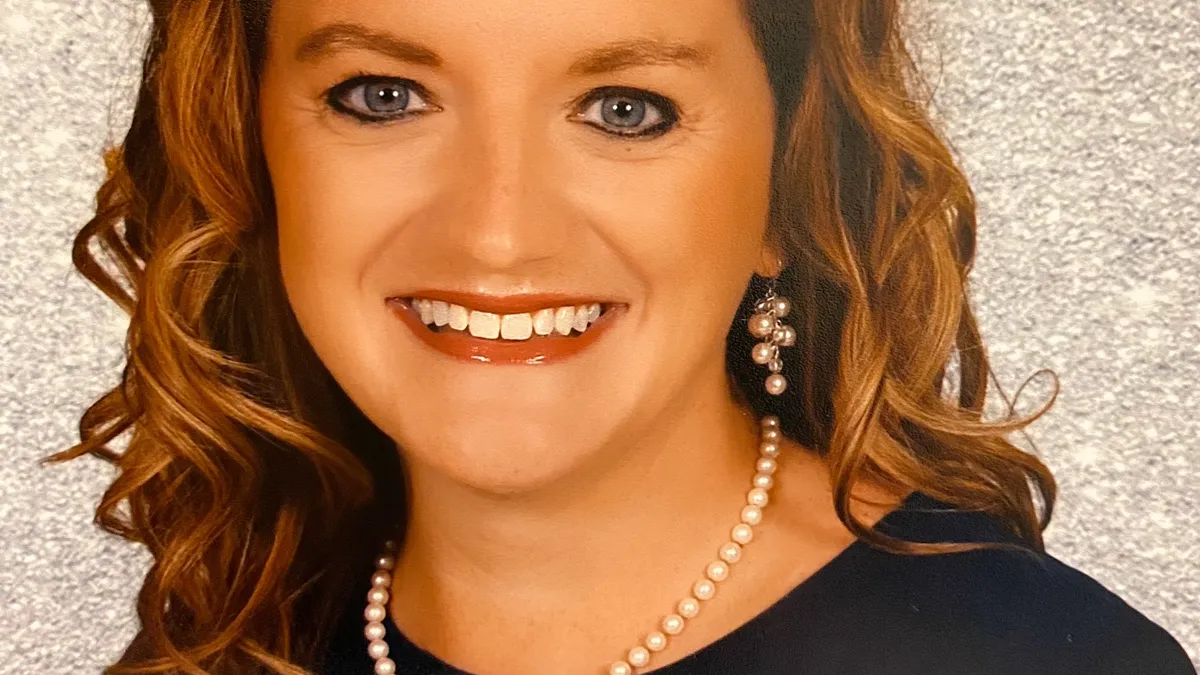
“Nationwide, like 70% of high school graduates walk across the stage, get a diploma, and don't have a plan for what's next,” says Whitney Oakley, superintendent of Guilford County Schools in North Carolina. “Meanwhile, the business leaders are like, ‘How can we get your kids to come work here?’”
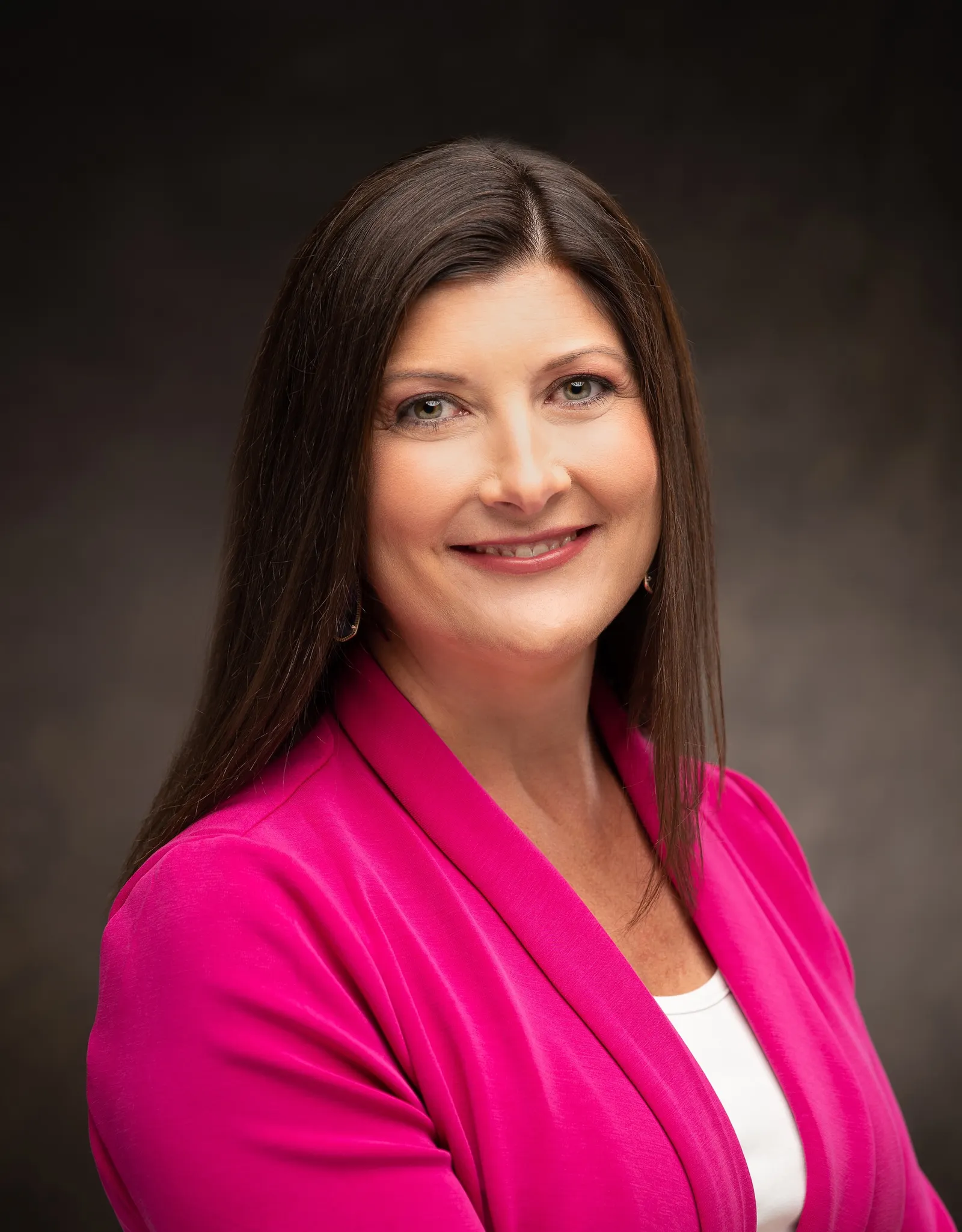
Oakley was named superintendent of the 120-school, 67,600-student school system — the district she grew up in and graduated from, and where her children are currently enrolled — in 2022. And in early listening tours, she says parents and high school students frequently told her that they wished they had known about career pathways and options earlier.
This feedback, she said, became the impetus for the Guilford Guarantee. The district launched that initiative in October with a promise that students will have the opportunity — at no cost to their families — to earn a career credential or 12 hours of college credit, or to attain a work-based learning experience like an internship or apprenticeship.
Getting there, however, required a significant amount of connecting the dots to forge partnerships with local postsecondary institutions like Guilford Technical Community College, industry players like Toyota and Jet Zero, and philanthropic organizations like Shift_ed. It has also meant navigating the logistics of student transportation in the 650-square-mile county.
K-12 Dive recently sat down with Oakley to learn more about the Guilford Guarantee and the work going into delivering on the promise.
K-12 DIVE: When it comes to undertaking a big initiative like the Guilford Guarantee, especially when you're talking about giving students meaningful credentials or work experience by graduation, what are some of the steps you've had to take to forge community partnerships to make that possible?
WHITNEY OAKLEY: Even though we're a very large school district, that part happens through relationships and making sure that we're willing to say what we can and what we can't do.
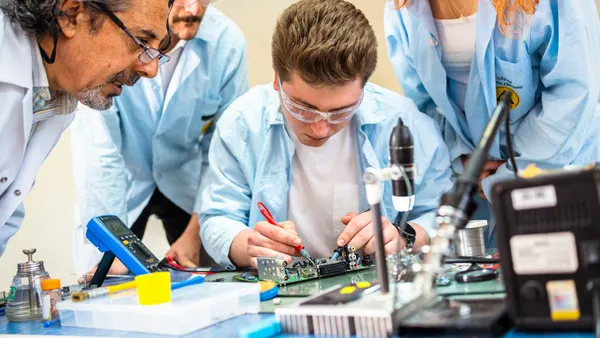
The first important relationship to be built was with the community college. There are so many career-connected opportunities between Guilford Technical Community College and what we're offering in CTE [career and technical education], but we hadn't connected the pathways. We hadn't said, “Oh, you can get to this credential in high school, and then you can go straight into GTCC for free, by the way, and finish this program and go into a high-wage, high-demand career.”
So the community college president and I made a commitment that the two of us would be at every meeting with our leadership teams. And we've been at it for about a year and a half, just breaking down the barriers, solving the problems, connecting the pathways, and then speaking with the business and industry leaders.
We've got one high school that's got this great aviation program. But we've got Boom and JetZero, all these aviation companies, knocking down the door.
The JetZero people didn't even have an office here yet, and they were like, “We want to hire them. We want all of those kids to come and work for us and build composite materials for Jet Zero. How do we make that happen?”
Toyota came and built the first electronic battery plant here. It's 7 miles away from a high school, so they said, “How can we partner?”
My hope is it's not just the Toyota, it's not just the JetZero, but that we can do this at scale and meet the workforce development needs right here in our community with our graduates.
Are there things you've had to work on in terms of the stigma that CTE might have with some people within the community?
OAKLEY: The tensions have been this perception of who does CTE. Over the past decade or two, that has been, “Well, only this kind of student takes CTE classes.”
We've seen a 320% increase in the credentials over the past five years, so students have removed the stigma about who takes advantage of CTE classes.
The other part that's out there is this kind of tension between Advanced Placement and International Baccalaureate classes, and then these classes at the community college, because they both offer the same GPA — the same five quality points for grade point average.
The students say a blend of the two is the sweet spot — that we don't just leave AP and IB alone, but that you do some sort of a blended model during your high school career.
North Carolina is in a great spot, because we have 22 high school credits that are required to graduate, which means most juniors at winter break can go full-on into college credit-earning classes.
Taking advantage of that is really, really important.
Are there other challenges that you've had to navigate in getting this program off the ground?
OAKLEY: Transportation. We're a huge county. We have urban, suburban and rural areas.
When we looked at the data, there was a pocket of high schools that were accessing these college classes at a much higher rate, and that's because students were driving themselves there, because they had their own car.
That's not true for all of our 16 comprehensive high schools.
We're still in the process, but we've partnered with the transit authorities — both Greensboro and High Point — to add stops so that there is transportation to and from more of our comprehensive high school campuses to the community college campuses, so we can build it into the schedule and reduce some barriers.
Another one is community partnerships. While tuition is free, books and fees are not always free. So, we've been able to leverage federal dollars for our Title I high schools, but have also partnered with some community partners. Shift_ed is probably the biggest philanthropic partner for this initiative, which covers the cost of books and fees for students so those barriers are removed and there's more equitable access to the community college career pathway.
When I think back to my own time in high school in the 2000s, it always sticks out that even though I did well in classes, it was never really fully explained how the things being learned were applicable to different career fields. But it seems like there's a lot more consciousness now to making sure these dots are connected for students.
OAKLEY: Yeah, and we're not trying to lock them in. We're not saying just because they show some aptitude on an assessment that this is definitely what they should do, but to at least let them know what they could do, and what the options are, and what's out there, and let them try it out.
I think that is really, really important. But you're right. I think the system is slowly shifting from “You're either going to a two-year program, a four-year program, straight to the military or straight to a job."
The net has kind of widened, and there's more discussion earlier. Parents said they want to know what the potential pathways are in middle school.
Have you had any parents who need a little bit more detail on the importance of this when you're talking about introducing kids as early as elementary to possible future careers?
OAKLEY: Only that they don't want us to limit options. That's what we've heard. I know that there was a middle school, for example, that did a career fair, but they used the aptitude assessment to kind of tell kids which stations to go to, and a parent was like, “Keep all the options open.”
At some point, we want students to give the options a try. We want them to see what could possibly be. And just because you earn this credential or you earn this degree while you're in school doesn't mean that that has to be the driver.
There are always going to be kids who are on that four-year track to go to a traditional college experience, and we want them to. We just want them to know what their options are as they head out.