Dive Brief:
- PEN America recorded nearly 12,000 book bans — 7,370 of which were unique titles — in public schools during the 2025-26 school year, the highest number seen by the organization since it began tracking book bans in 2021.
- Over 4,500 of the restricted titles were new to PEN America's database, another record high metric that the free speech organization said indicates that more texts are being targeted.
- In addition, more school districts — 114 in total, to be exact — banned books in 2025-26, marking the highest number to do so since PEN America began tracking the issue.
Dive Insight:
A majority of the book bans recorded by PEN America came in Texas and Florida, states that have been at the forefront of curriculum restriction policies and the parental rights movement. The report released Oct. 5 noted that districts in these states are facing increasing pressure from politicians to restrict books.
Florida's Hillsborough County Public Schools, for example, received a letter in 2025 from Florida Attorney General James Uthmeier warning board members that several books were "pornographic." Florida Commissioner of Education Manny Díaz wrote a similar letter to Hillsborough County Schools Superintendent Van Ayres, according to PEN America.
"You should undertake an immediate review of your current collection to remove any additional harmful, sexualized content that has errantly been presented to students," Uthmeier wrote. "Your obligations under the constitution, state statute, and your own policies demand it. And so do I. I will monitor your actions to determine whether formal legal action by my office is warranted."
"Shortly after the letter was sent, Hillsborough County confirmed that it had removed the materials," according to a statement from Uthmeier's office.
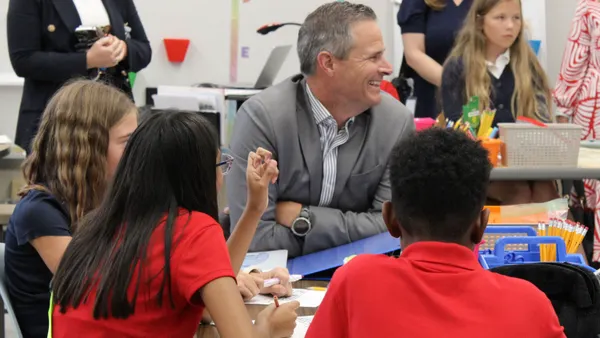
According to PEN America's documentation of events, Ayres permanently removed six titles from Hillsborough County school library shelves after they were named in the letters, in addition to ordering that 600 other titles be pulled and placed under review. The reviews were not based on local complaints — which the parental rights movement advocates for — but rather were conducted based on titles removed in any Florida district during the 2022-23 and 2023-24 school years.
After Ayres received those letters, he was also called into a June 2025 hearing by the state board of education related to the availability of certain books in his district.
The increasing political pressures described in PEN America's report come as some districts are turning to artificial intelligence to flag objectionable books, meaning what began as a parental rights movement has led to thousands of scrutinized books in places like Texas.
Book bans and curriculum restrictions have repeatedly been challenged in courts as chilling free speech and access to information. And many legal and curriculum experts have hoped the U.S. Supreme Court would ultimately hear a case on the issue to clarify the boundaries of book removals.
However, in December 2025, the justices turned down a high-profile case out of Texas, Little v. Llano County, which could have answered whether book removal decisions are subject to First Amendment free speech protections.
In doing so, the high court left in place a lower court ruling allowing state and local governments to make decisions on book bans.