Dive Brief:
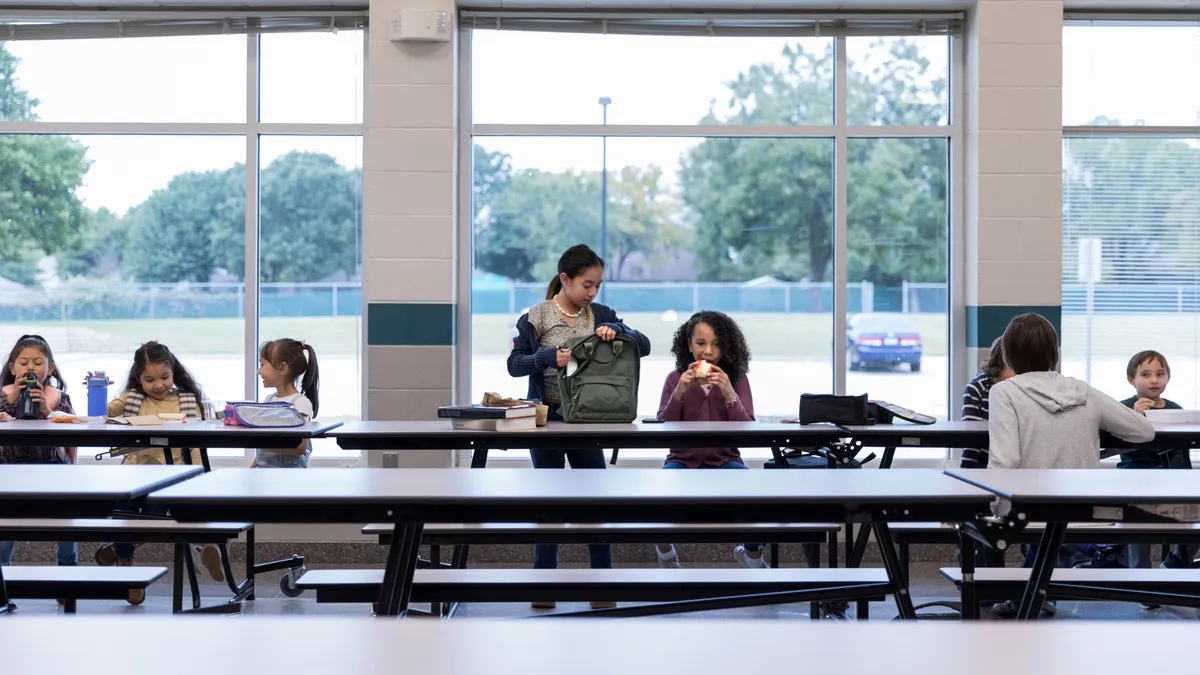
- Miami-Dade County Public Schools recently reported it will no longer offer free school meals to students districtwide after doing so for the past four years through the federal Community Eligibility Provision.
- Still, 121 of the Florida district’s more than 500 schools will continue providing free breakfast and lunch to their students during the 2026-27 school year. Miami-Dade said in a July 23 statement that it no longer qualifies for districtwide CEP, because it did not meet the federal threshold to qualify for widespread implementation of the program.
- This change at Miami-Dade comes as anti-hunger advocates have repeatedly warned that fewer districts will qualify for CEP in the coming years due to the Republican-led One Big Beautiful Bill Act’s significant cuts to the Supplemental Nutrition Assistance Program and Medicaid. Student enrollment in those public benefit programs helps districts qualify for CEP in order to offer free school meals at scale.
Dive Insight:
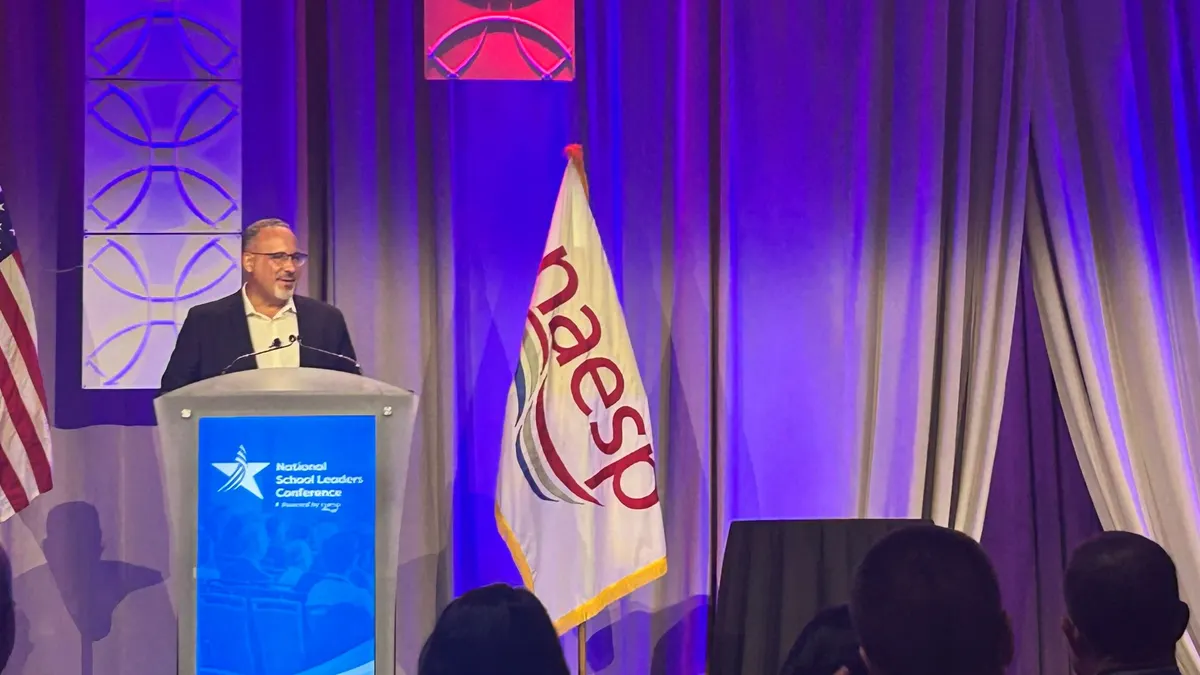
The district’s move away from CEP is due to federal requirements and eligibility calculations for the program, said Luis Diaz, chief operating officer at Miami-Dade, in a July 30 post shared by Miami’s Community News.
“Today, changing demographics, fewer newcomer students enrolling in our schools, and other enrollment trends have altered the federal eligibility calculations used to determine participation in the program,” Diaz wrote.
Miami-Dade has pointed to enrollment challenges in the past year. Its board members approved a plan in June to close or consolidate nine schools for the 2026-27 school year.
The district, Florida’s largest, reported a 4% enrollment decline from 326,279 students in 2024-25 to 313,220 in 2025-26. In August 2025, Superintendent Jose Dotres said the enrollment drop was largely driven by declining birthrates and a “significant decrease” in newcomers enrolling.
During the 2025-26 school year, the total number of schools participating in CEP nationwide hit a record high at 55,362, according to a July report from the Food Research and Action Center. That means three-quarters of eligible schools adopted CEP.
Despite the 2.1% increase in CEP participation, FRAC said, the “pace of growth slowed substantially” compared to previous years.
Since the One Big Beautiful Bill Act went into effect one year ago, FRAC estimates that over 5 million people nationwide have already lost their SNAP benefits — one of the key student metrics for program participation used to determine districts’ eligibility for CEP.
Another federal change that could make matters worse for schools’ ability to qualify for CEP is an immigration-related rule finalized July 20 by the U.S. Department of Homeland Security, according to AASA, The School Superintendents Association, in a recent blog post.
The DHS regulation permits immigration officials to deny applications for permanent residency or visa extensions to noncitizens if they rely on free or reduced-price school meals and other public benefits, such as SNAP or Medicaid. The move could have a “chilling effect” as fewer students could begin the 2026-27 school year without consistent access to food and healthcare, AASA said.
In the final rule, DHS said it expects to save $13 billion for federal and state governments from the noncitizens who would disenroll from federal benefit programs. The agency also acknowledged that families might decide to disenroll their children to “avoid negative immigration consequences.”
Correction: In a previous version of this article, Luis Diaz's title was misstated. He is chief operating officer at Miami-Dade County Public Schools.