BALTIMORE — The drop in Maryland’s state ranking on the National Assessment of Educational Progress from No. 2 in 2013 to No. 40 in 2022 cannot solely be attributed to the COVID-19 pandemic’s disruptions to schools, Gov. Wes Moore said Wednesday.
While nearly every state experienced declines in national test scores due to severe challenges during the pandemic, Moore said that Maryland’s NAEP rankings also dropped due to the state’s underinvestment in education and ongoing teacher vacancies.
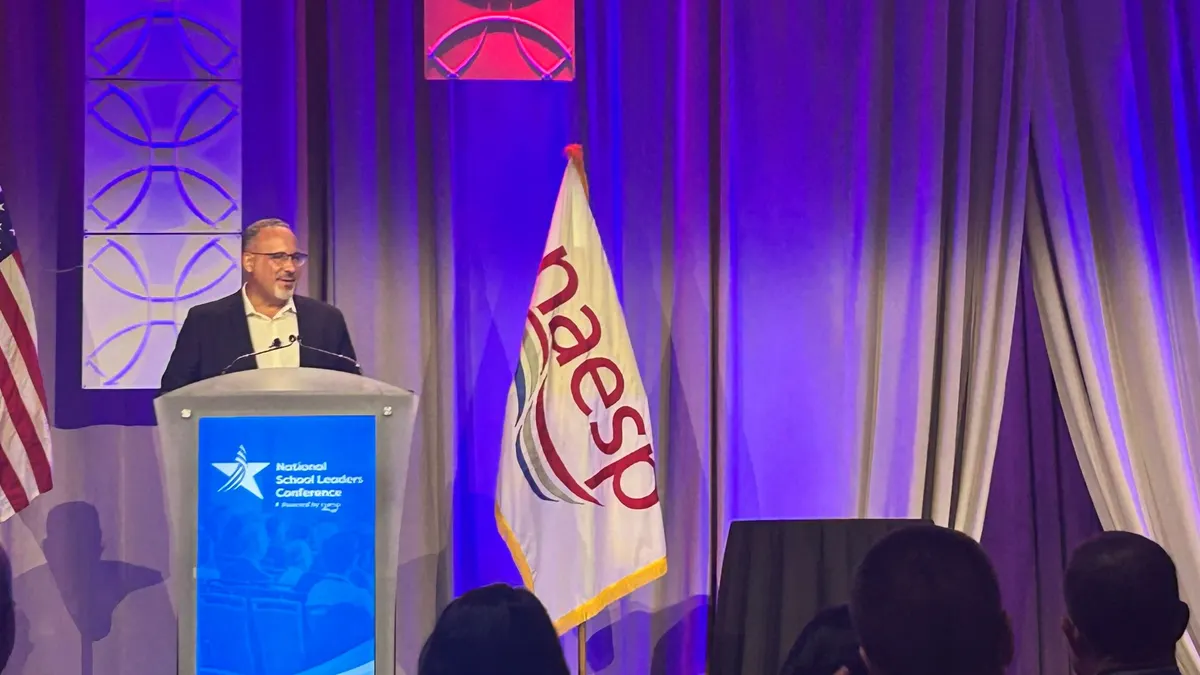
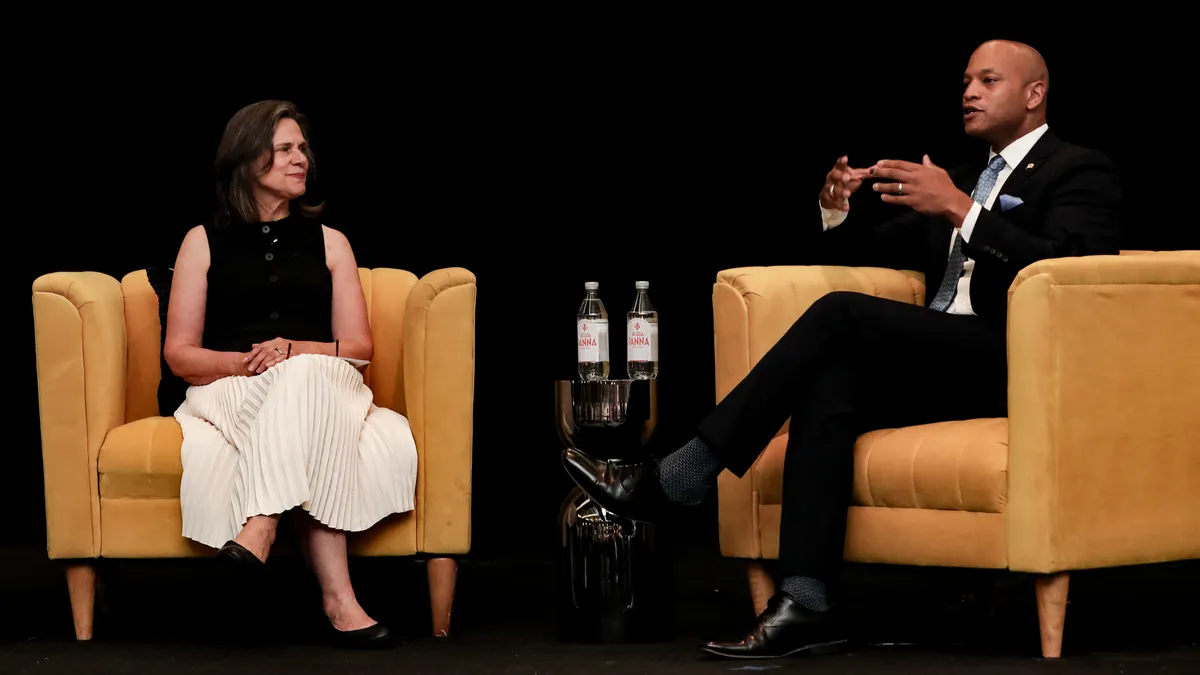
Moore shared his vision for the future of public education in Maryland and the nation as a whole during a Wednesday Q&A session with Liz Bowie, a reporter at The Baltimore Banner, at the Education Writers Association’s National Seminar.
Between the 2024-25 and 2025-26 school years, Maryland’s teacher vacancies were cut almost in half, dropping from 1,619 to 886 vacancies, according to the Maryland Department of Education. Moore said this was possible, in part, because of the state’s investment in grow-your-own programs and an initiative to certify federal employees — living in Maryland and fired under the Trump administration's effort to downsize the government — as teachers.
While Maryland gained momentum from 2022 to 2024 on improving NAEP reading scores among its 4th graders, Moore said it’s not enough and that the state will continue to focus on public education.
Navigating enrollment, funding challenges
As schools face an “enrollment crisis” nationwide, Bowie said, Maryland is dealing with a similar challenge in the declining number of its students. Given the layoffs and school closures that are happening in districts nationwide as a result of decreased enrollment, Bowie asked Moore if state governments should take measures to help “soften the blow” of this loss in funding.
“There is no state that has a balance sheet that can completely blunt the impacts of this federal administration,” Moore said.
While states have a lot of control over school budgets, Moore said cuts at the federal level, such as to Medicaid, are compounding with preexisting challenges. States can do their part, but it’s difficult when their relationship with the federal government in some cases has been “severed,” he said.
“It is deeply unfair” that the federal government is “trying to force” governors to make up for slashed funding, Moore said. “Particularly for the children who need the support the most.”
Participating in the federal school choice program?
With states continuing to express interest in opting into the first national federal private school choice tax incentive program, Bowie asked Moore if he would approve Maryland’s participation.
The Federal Scholarship Tax Credit Program is expected to go into effect Jan. 1, 2027, after being approved by Congress and signed into law in last year’s “One Big, Beautiful Bill.” Once the program launches, individual taxpayers can make charitable donations for K-12 services, which may include private school tuition and public school expenses.
Moore said he’s still exploring the possibility of joining the federal school choice program, but he’s against policies that use public funds for private school vouchers.
The formal details on the Federal Scholarship Tax Credit Program have yet to be released by the U.S. Department of Treasury through a notice of proposed rulemaking.
“I am never going to leave money on the table when it comes to supporting our kids in public schools,” Moore said. “Here’s the issue: I don’t know what I’m signing up for.”