Parents want their children to spend their summers outdoors, away from screens and connected to learning and social activities, according to a report released Tuesday by the Afterschool Alliance. Instead, a little over half of the nation's children — about 12.6 million kids — don't have access to structured summer opportunities due to costs and other barriers.
Schools, in partnership with other community organizations, can help fill the voids, the report said. For instance, the federal 21st Century Community Learning Centers program, which provides funds for before school, after-school, and summer learning programs, has helped students make gains in math, reading and language arts assessments.
Lindsey Blevins, extended learning coach and 21st Century Program director at Alabama's Tuscaloosa City Schools, credits state investments and funding for the 21st Century Community Learning Centers for building, growing and sustaining summer programming in Tuscaloosa. Additionally, the city of Tuscaloosa levies a tax that specifically earmarks the extended learning opportunities, Blevins said during a webinar hosted by the Afterschool Alliance on Tuesday.
"For many students in Tuscaloosa, summer is where they discover their interests, their talents, and possibilities they may not even know exist yet," Blevins said. "We found that when students feel like their interests and voices matter, engagement changes completely."
Some of those summer student offerings in Tuscaloosa, according to Blevins, include coding, robotics, hands-on STEM activities, and visual and performing arts. She added that what makes the district's summer programming unique is that "it gives us space to have to design programming differently and really center student voice and engagement."
Barriers to summer programming
Although there is high demand for summer activities for students, families face several barriers to accessing programs, the report said.
Results of an America After 3PM survey included in the report show that 38% of respondents said cost contributed to their inability to enroll their child in a summer program; 18% cited the program’s location or transportation; and 13% reported having difficulty finding a program, said summer programs were not available in their community, or that the program’s hours didn't meet their needs.
Children from high-income families are three times more likely to be enrolled in summer programs than children from low-income families.
Community-based organizations were the most likely to provide voluntary learning and enrichment summer programs at 34%, followed by city or town facilities (32%) and schools (32%).
The most common 2024 summer activity, according to survey respondents, was specialty camps or programs (67%), followed by voluntary summer enrichment activities (49%), and optional summer school classes (17%).
The survey also found 89% of parents favor public funding for summer programming — a 6 percentage point increase from 2009.
About 30,515 U.S. parents or guardians with a school-age child at home completed the survey between January 31 and April 21, 2025.
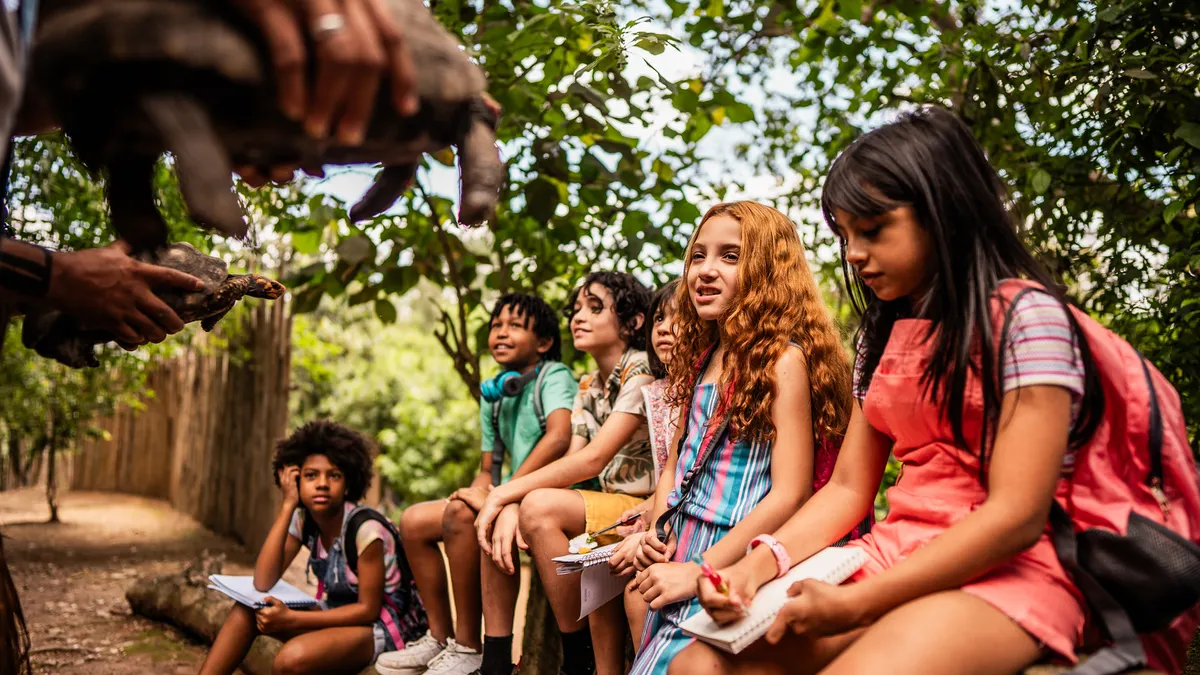
Jodi Grant, executive director of the Afterschool Alliance, said during the webinar that survey respondents said they want their children to have safe summer experiences provided by caring staff. They also want their children to be off screens, to be social and to be outside. "They don't want more school," Grant said.
The report recommends greater public and private investments in summer learning programs.
At Roma Independent School District in Texas, Superintendent Carlos Gonzalez, Jr., said children in summer programs take field trips, learn from speakers from different careers, and participate in coding, fine arts and other enriching activities. They also receive math and reading instruction daily.
The students "just love to come, and 100% of our students, staff, and families are highly satisfied with the program," Gonzalez said. "Our goal is for them to have fun, to enjoy the outdoors, but to learn in summer."
Gonzalez added the program is supported through grants and many community organizations and volunteers. "It's a community effort, a big family community effort that we're just making it happen for the kids, and making learning fun.”