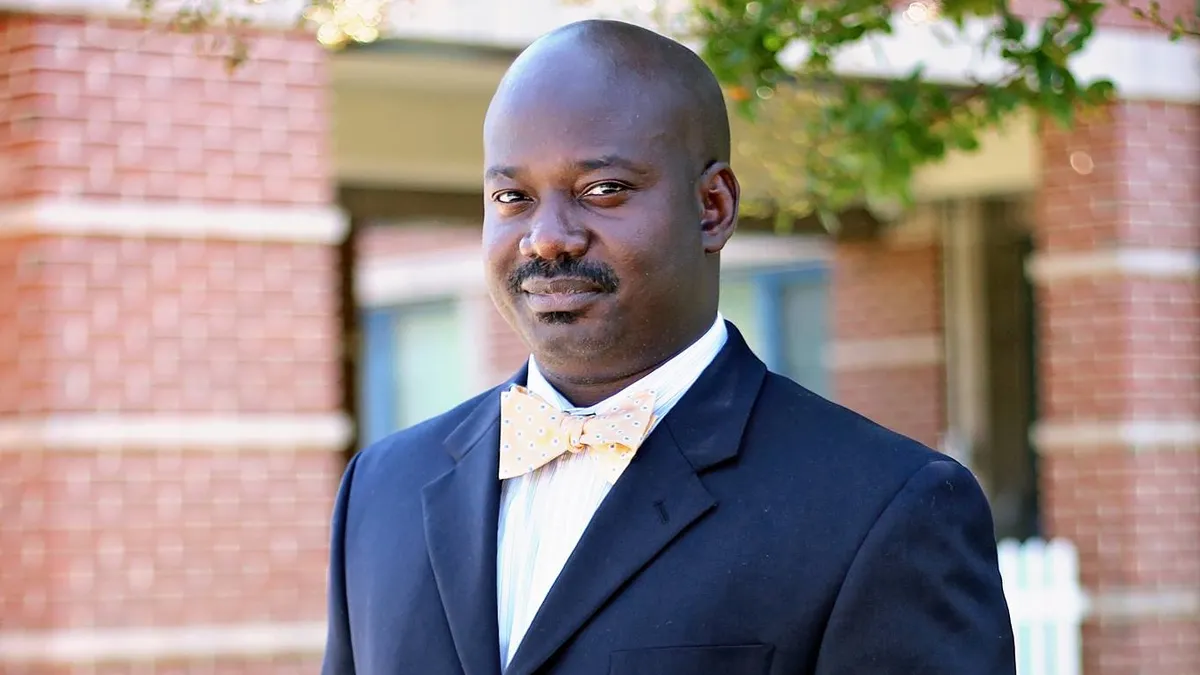
Lessons In Leadership is an ongoing series in which K-12 principals and superintendents share their best practices as well as challenges overcome.
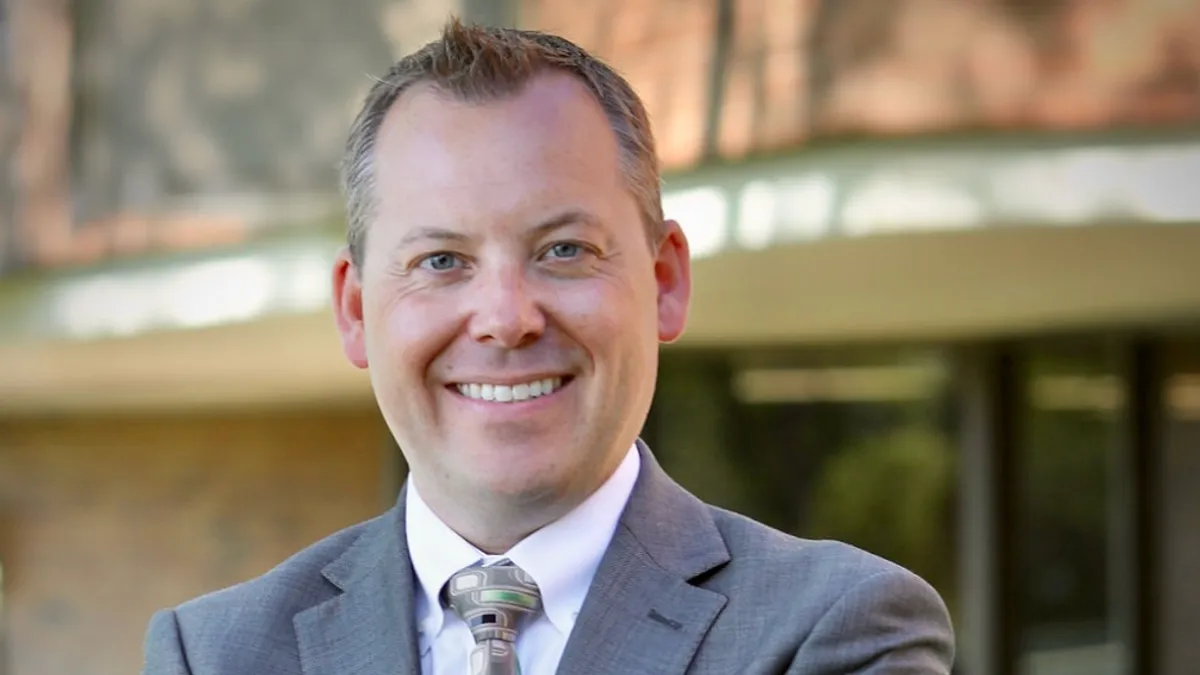
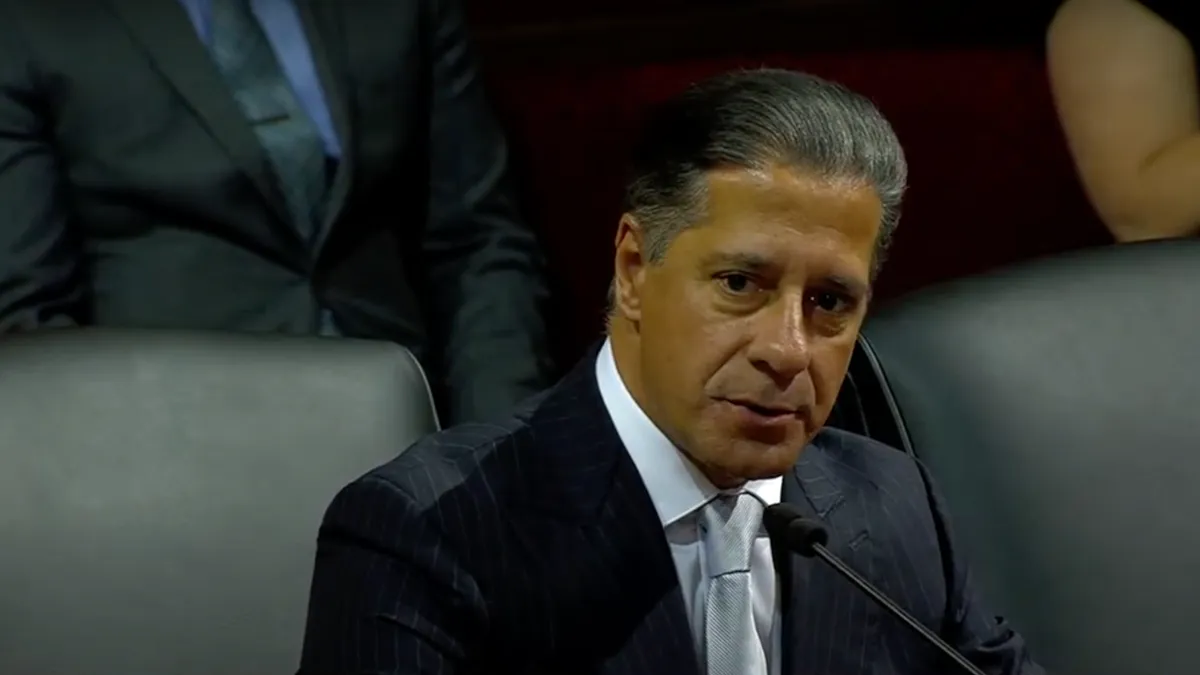
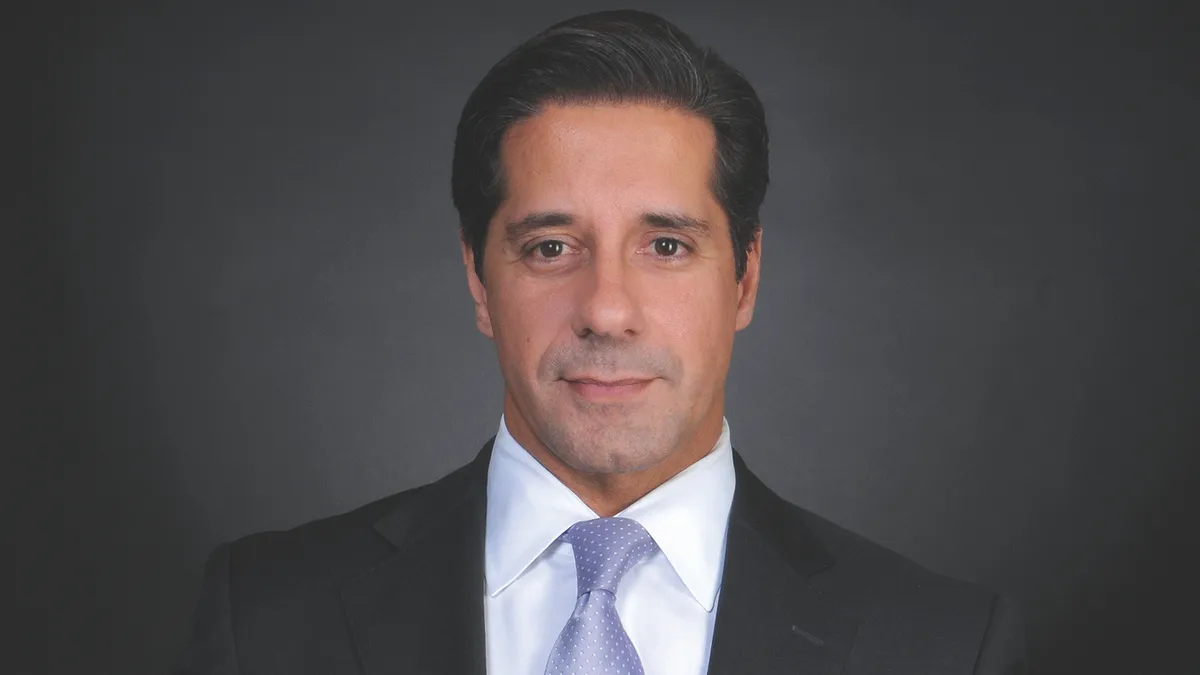
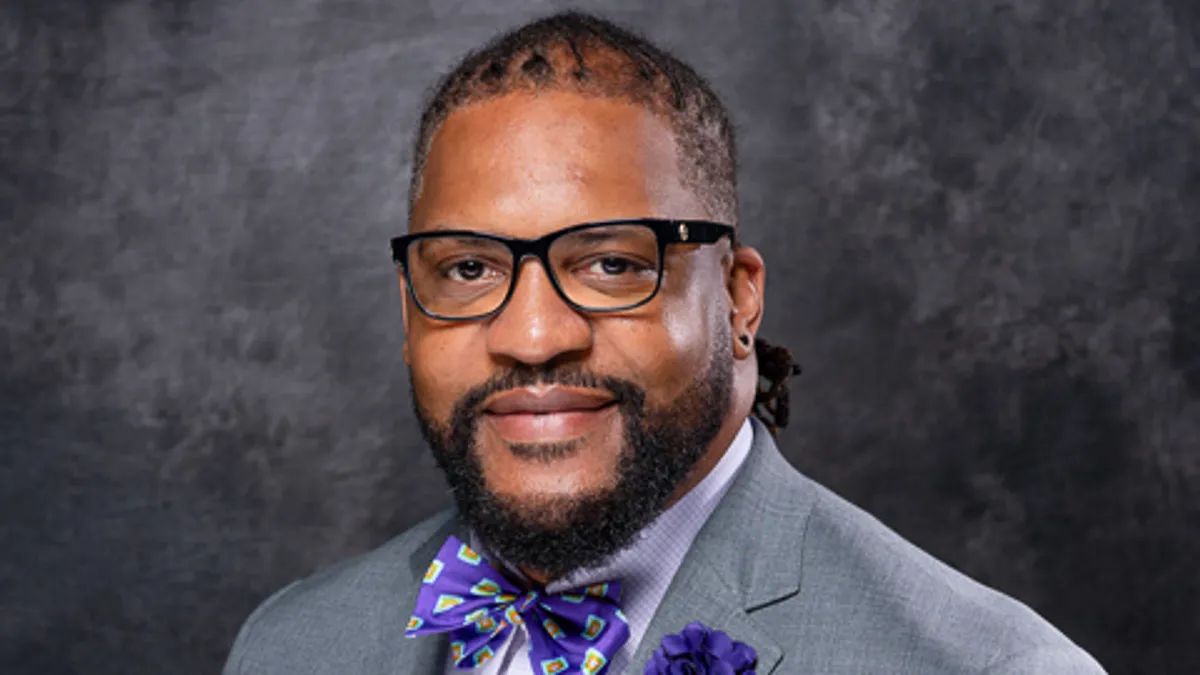
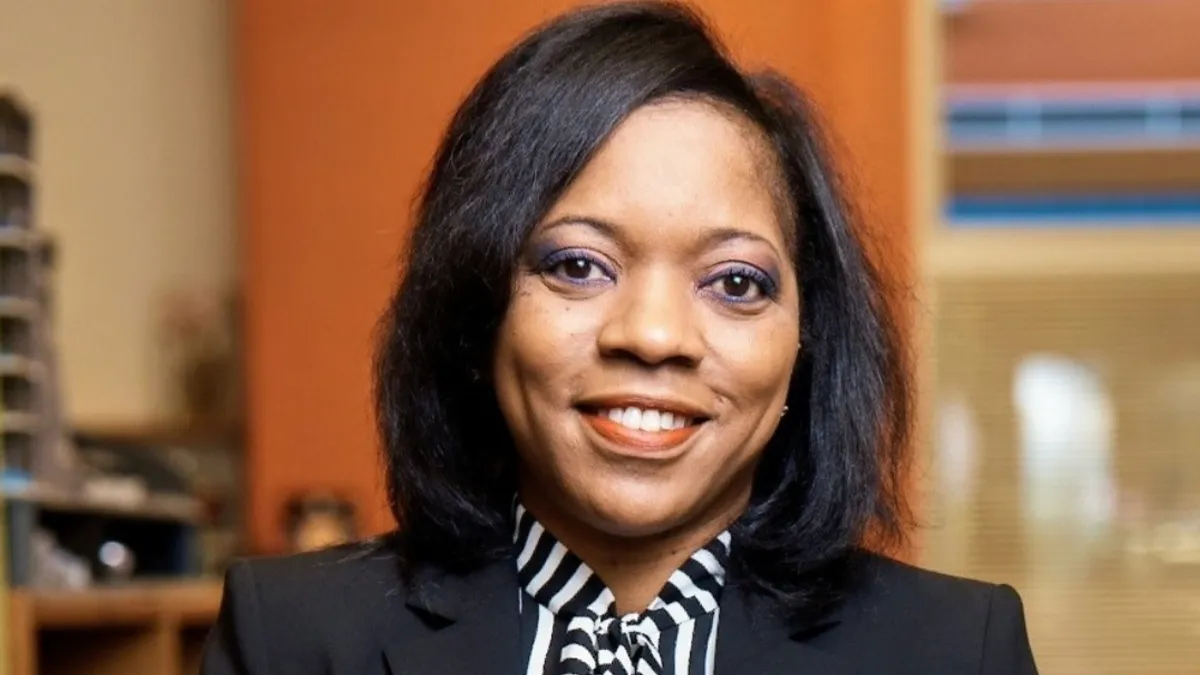
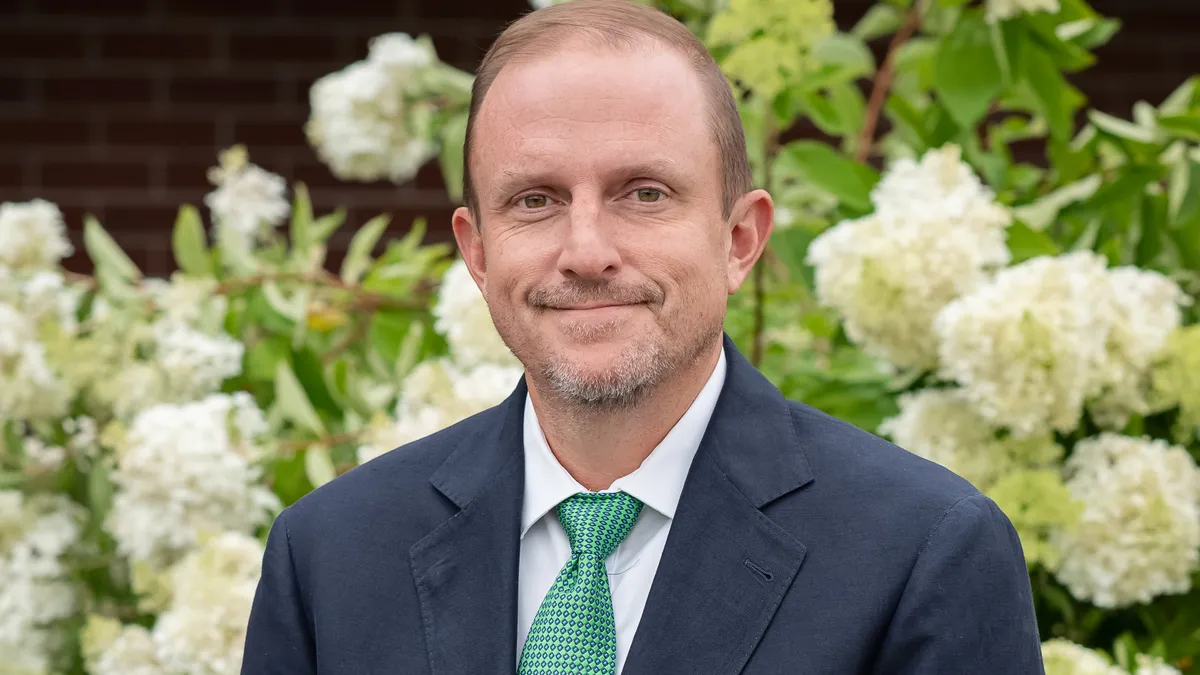
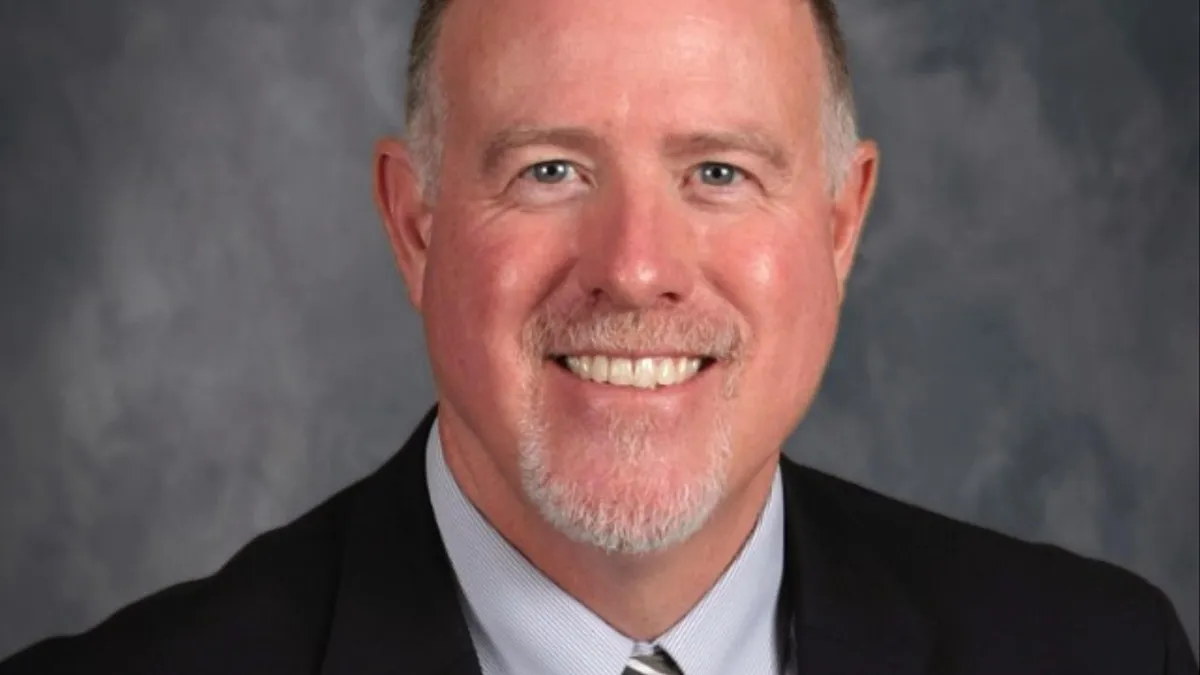
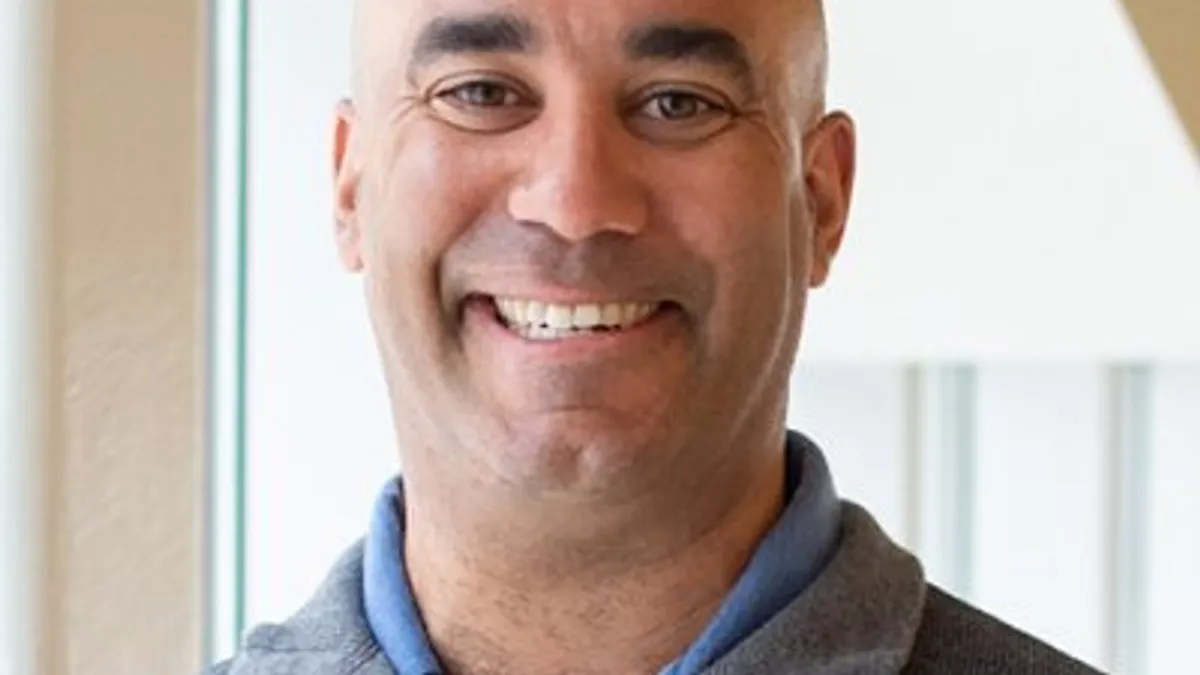
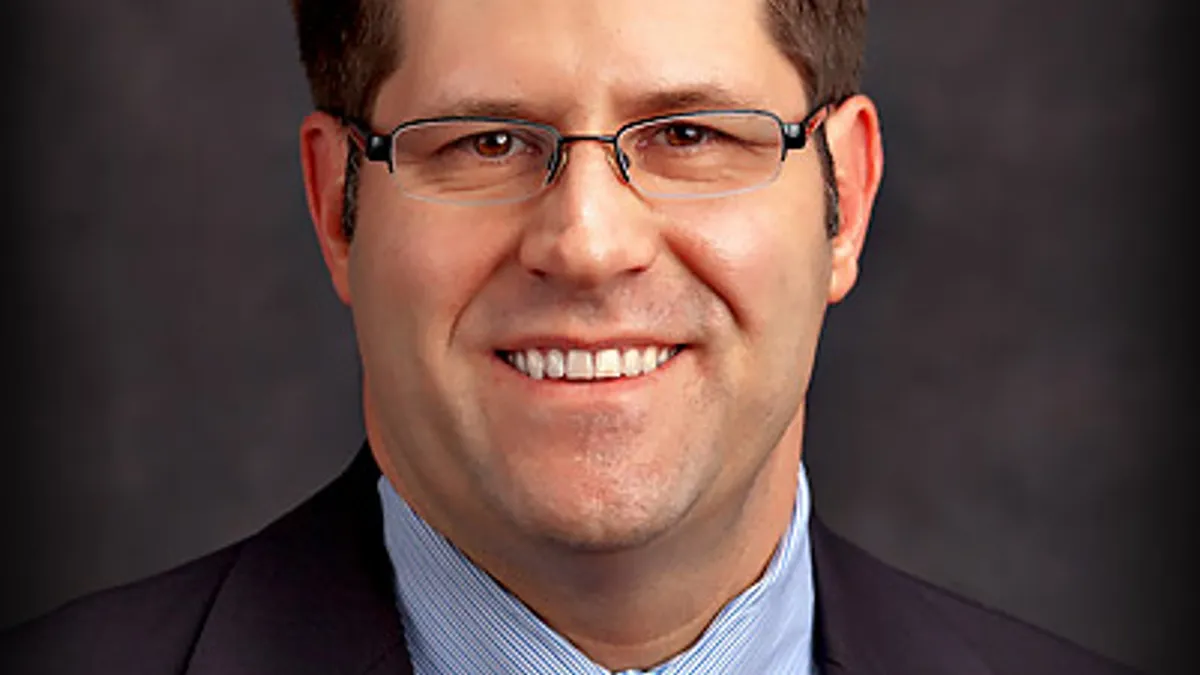
In eight years leading the Maryland School for the Blind, Superintendent and CEO Rob Hair has shepherded the private nonprofit through two strategic plans to tackle financial concerns and work to improve the school’s campus and services.
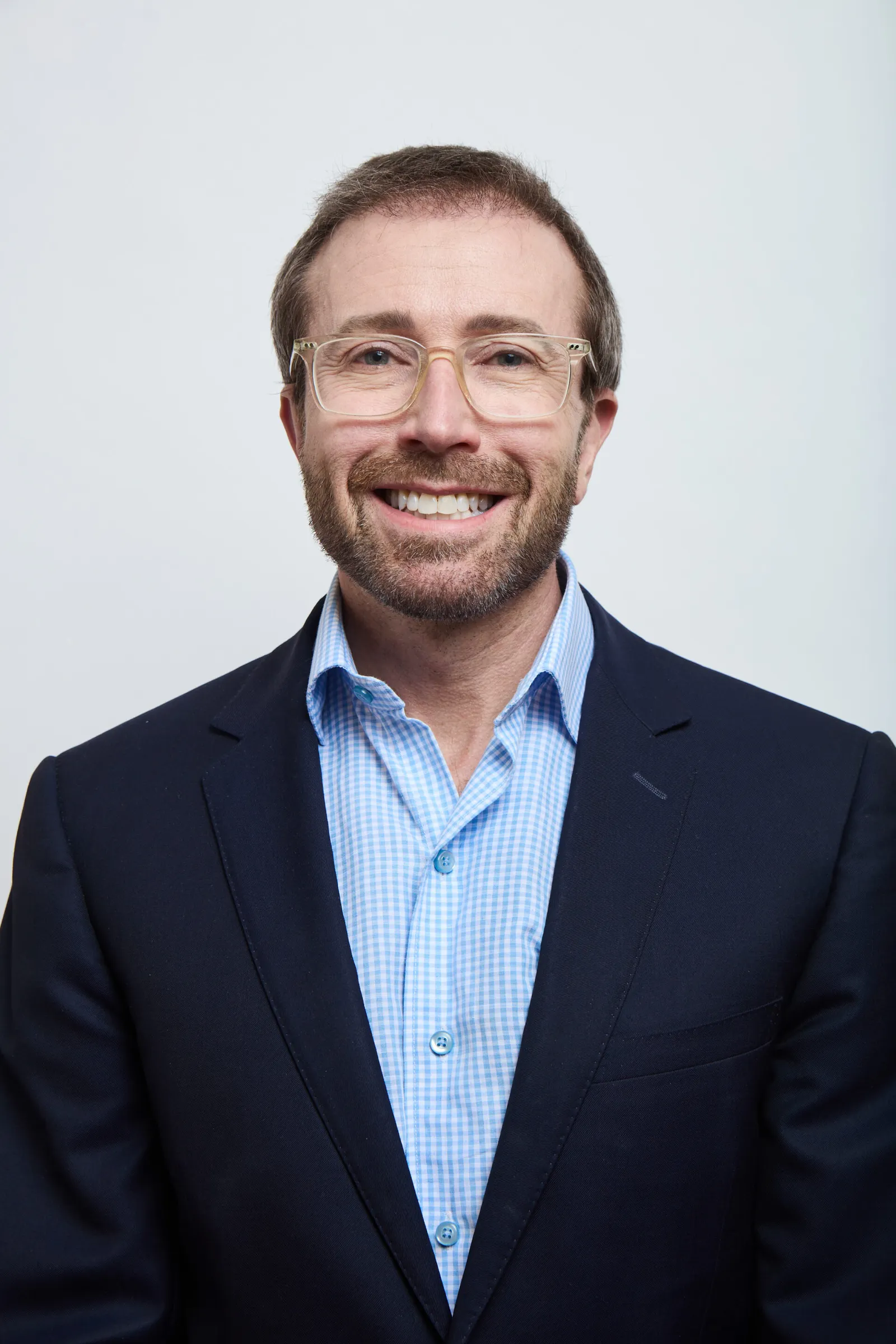
The school, which is located in Baltimore and serves students ages 3-21, has addressed a broad range of needs beyond academics for students who are blind or have low vision since its founding in 1853 as both a residential and day school. Based on a student’s individual needs and abilities, services include skills in orientation and mobility and independent living and job preparation, as well as functional reading lessons with Braille or varying sizes of print.
In its residential and after-school programs, for instance, students practice skills for daily living, bathrooming, organizing clothes, making a bed and cleaning a room, Hair said, adding that of the school’s roughly 200 day and residential students, around 45 are currently in the residential program.
The school, which is largely formula-funded by the state, also works with public schools in Maryland to provide services required under the Individuals with Disabilities Education Act, helping them to fill gaps for teachers of the visually impaired and lessons in areas like Braille literacy or orientation and mobility. A total of nearly 1,400 students statewide benefit from these services each year, Hair said.
“I will say that it's not so different than leading a public school system — or a public high school or elementary school, either. I rely on community input,” said Hair. “Having a strategic plan really guiding your goals and what you're trying to achieve — making sure that you are being guided by what's the most important thing and not by every shiny object — is so important.”
Hair began his 30-plus year career in special education in 1993 as a music educator at the South Carolina School for the Deaf and the Blind. While he says that initial role came about by chance, he also has a personal connection: Seeing how his grandfather, who was blind due to age-related macular degeneration, was able to live fully and independently while still engaging with household tasks and hobbies helped shaped his passion for working with those who are blind or have low vision.
We recently caught up with Hair to learn more about how the Maryland School for the Blind provides individualized services — and how public schools can address gaps in services for students with vision impairments.
Editor’s Note: The following interview has been edited for brevity and clarity.
K-12 DIVE: For a school for the blind, when it comes to serving students who are totally blind versus low-vision but legally blind, how do you differentiate programming?
ROB HAIR: Our teachers do an incredible job of creating Braille, large print, and regular print — tactile materials as well as visual materials — for all the students in their classrooms, because they have a mixture.
Some students have usable vision, some have no vision. There's no one in this school that is the same as any other student. Everybody has their own [differences in] light perception, total blindness, some useful vision.
Some of our students don't need large print or Braille. Because their field of vision is so small, they need regular print text, and if you enlarge it, it’s harder to read.
Every student is unique, and the teachers have to adapt their materials for every student.
Based on your experiences as an administrator, when it comes to the things public schools can do to meet the sort of needs that a specialized school like a school for the blind would, where do you find that public schools most often have gaps to fill?
HAIR: Well, we have very good partnerships with our local schools, and some of them do a great job. But sometimes school systems just don't have the personnel — we're all facing a shortage of visually impaired and orientation and mobility specialists nationwide.
It's a desperate shortage that we're all facing. I'm working in a leadership role trying to fill that gap, but in the meantime, we provide teachers of the visually impaired when a local county calls us and says, “Do you have someone who can come to Baltimore County and assist us with some of our students? We don't have enough staff.”
When it comes to school systems that might need that additional support from partnerships with, say, a school for the blind, if they're located in a rural part of their state, are there still opportunities for them to build those connections and get that assistance and support?
HAIR: Absolutely. I mean, I wouldn't say that we have 100% coverage for every county and jurisdiction in the state of Maryland, but we do cover those western counties. We have teachers go provide assessments and we provide IEP [individualized education program] supports.
We will advise for IEP teams in the local schools on things like “How should we construct the students' goals and objectives?” We'll give them an assessment of the students' skills based on a teacher-provided assessment and give them some consultation in that way, or we can provide ongoing service if we have the staff and they have a need.
Even if they’re in rural Maryland, our teachers and psychologists will go out to a local county and provide assessment of a student and consult with the local IEP team to develop the IEP, and/or we can provide direct teacher support. Our goal is not to pull students from their local communities but to provide support where they live if at all possible, so that their access doesn't depend on ZIP code.
So we're not just a campus here. We actually do provide services well beyond these four walls, as it were, in Baltimore City.
When it comes to improving the situations where public schools might have more limited resources to serve students with these specific needs, as you know, sometimes that's not entirely within their control. Is that something that needs to also change at the state or federal level in terms of policy when it comes to making sure every school has access to these resources?
HAIR: We and the National Federation of the Blind, which you may know is headquartered in Baltimore, are working together to provide more teacher training and support so we can get those professionals in Maryland.
Right now we're partnering with Kutztown University, which is in Pennsylvania. They have a wonderful teacher of the visually impaired program, and right now we [Maryland School for the Blind] are paying teachers who are not certified in visual impairments to get their teacher of the visually impaired certification and developing a pipeline.
It's so difficult to find teachers of the visually impaired. Our vision is to create more partnerships with local universities and training our paraprofessionals. We have some talented people who know Braille and know how to teach these children very well who are not certified teachers. So we want to put them through teacher training and give them the tuition dollars and eventually get them to become teachers of the visually impaired.
That would be the ultimate pipeline dream that we're pursuing right now to help fill in that shortage.
In general, for public school leaders anywhere in the country who have gaps in their services for students with specialized needs, what are some of the steps that you would recommend for building the partnerships to fill those gaps, and where should they focus attention most immediately to fill gaps in services?
HAIR: I would work with my administration. Work with the leadership. Find the incentives — the hiring incentives. Try to find the people that we need to recruit to our school.
I really feel for rural counties and towns where it may not be easy to find someone. But I think it's finding the right connections.
There are some hiring agencies that can provide assistance in specialized special ed certifications. I would look towards your local school for the blind, like the Maryland School for the Blind. There may be retired teachers of the visually impaired who are willing to do some short-term or part-time work to fill in the gap while you're waiting.