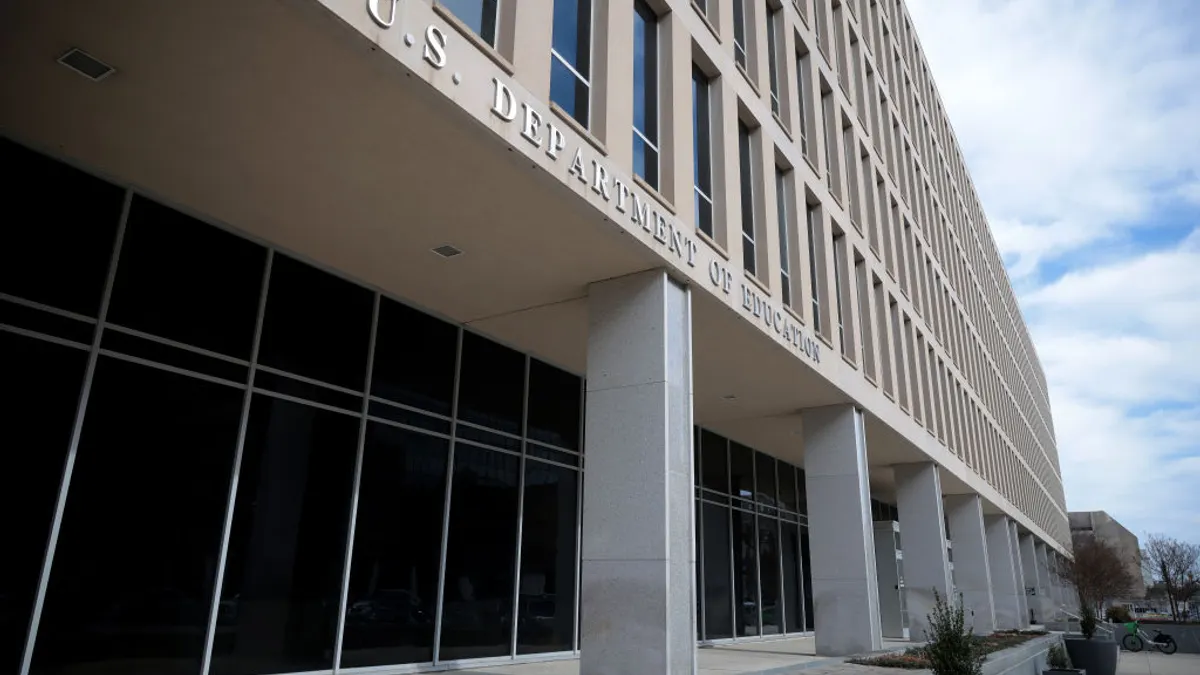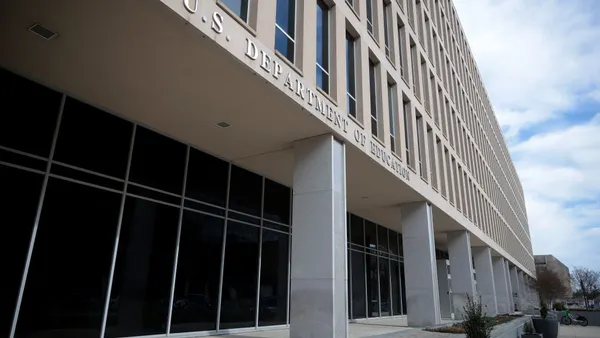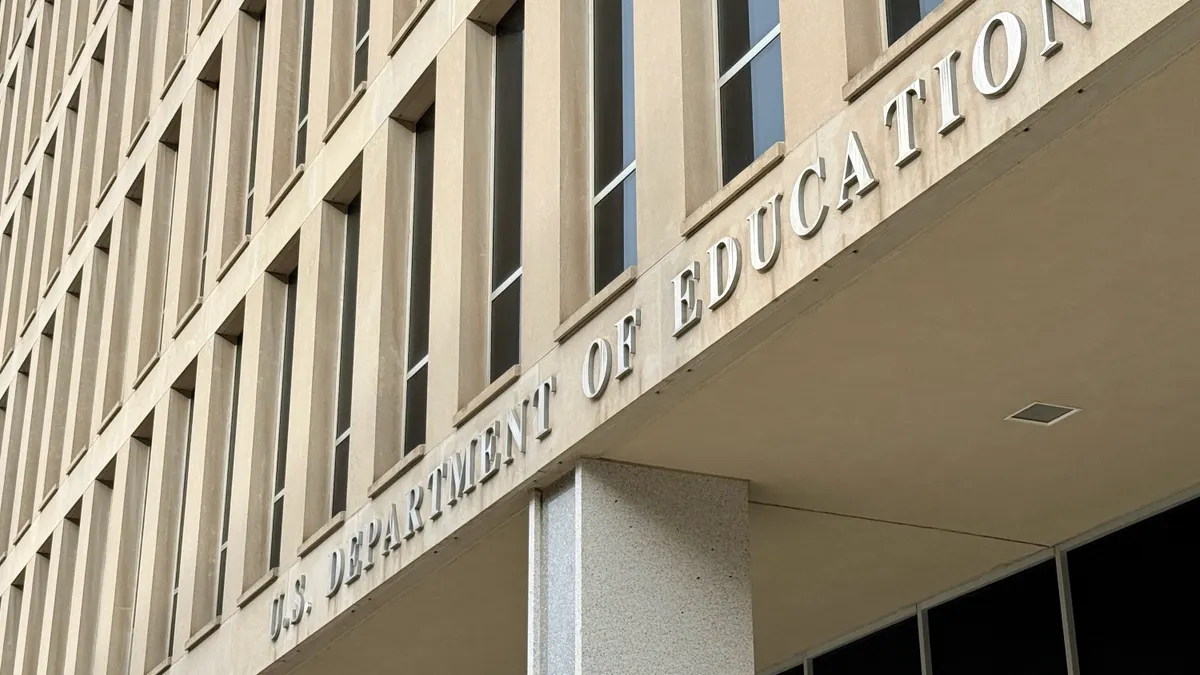
The U.S. Department of Education on Wednesday told school districts it will consider all mental health screenings and other student surveys — such as those related to sex behavior or attitudes — to be "required" by a district even when presented as optional, and thus subject to parental notification and consent procedures.
"When an educator, counselor, or other school official administers a survey, evaluation, or analysis, students commonly feel obligated to participate," the 5-page Dear Colleague letter stated. "Because an authority figure is on the other side of the survey, evaluation, or analysis, students also rarely feel the need to ask a parent to review or approve it beforehand."
Students' decisions to fill out surveys on sensitive topics can be influenced by peer pressure, fear of not participating, or wanting to please a teacher or authority figure, Frank Miller Jr., director of the Education Department's Student Privacy Policy Office, said in the letter.
As a result, districts will be required to provide parents a chance to review the survey and provide written consent for student participation. Opt-outs would not fulfill the requirement of securing parental consent in this scenario, Miller said.
This would also apply to mental health screenings on emotional well-being, internalized distress, social interactions or other questionnaires indicating psychological well-being.
Additionally, the letter says "gender plans" for students must be accessible to parents even if they are not classified by the district as "education records."
The Education Department under the second Trump administration has interpreted the Family Educational Rights and Privacy Act and the Protection of Pupil Rights Amendment — which provides parents and students with rights related to information gathering and sharing — to require sharing students' LGBTQ+ status and related information with parents.
Advocates of schools or policies that prevent parents from viewing such records say they do so out of concern that students may face a potentially abusive or unwelcoming environment at home.
However, in an Aug. 26 statement, Miller said, “Parents know what is best for their children. Yet, we continue to see schools adopt policies that shut parents out of their children’s lives at school."
Policies and lawsuits proliferate
According to Defending Education, a conservative parental rights group, as of June, over 1,200 districts impacting more than 21,000 schools and a collective 12.4 million students have policies stating that district personnel “can or should keep a student’s transgender status hidden from parents.”
Many of those noted districts are in California, which has a state law that went into effect this year preventing school employees from disclosing any information related to a student’s sexual orientation, gender identity, or gender expression to any other person without their consent. The law also prohibits schools from requiring employees to disclose such information to parents and is the subject of an Office for Civil Rights investigation launched in March.
However, court cases challenging such laws and policies have argued that schools prevent parents from accessing information related to students' mental health.
In Mirabelli v. Bonta, for example, a lawsuit that reached the U.S. Supreme Court through its emergency docket, argued that such California policies are unconstitutional because they prevent parents from making important decisions, including those related to students' mental well-being.
The Supreme Court in March sided with parents, saying in an unsigned opinion that policies preventing schools from sharing students' LGBTQ+ identities with their parents "cut out the primary protectors of children’s best interests: their parents.”
The decision has so far had ripple effects on policies and lawsuits, with the Education Department issuing investigations into a number of districts and appellate courts revisiting cases.
In a 2024 lawsuit, Stovall v. Jefferson County Board of Education, the Southeastern Legal Foundation filed a lawsuit against Kentucky's Jefferson County Public Schools on behalf of a parent that the group said was "stonewalled and denied access to basic information about invasive student surveys being administered in the district."
A Kentucky high school in that case planned to administer a mental health survey to its students, which one mother, Miranda Stovall, suspected included questions related to sexual activity and orientation, according to court documents.
The student's mother made a state public records request for a copy of the survey, as she was hoping to distribute its copies to parents and new reporters. However, while the school permitted her to see the survey under public records laws, it refused to make copies of it due to what it said were copyright issues.
Courts ruled against Stovall, after which lawyers appealed the case to the Supreme Court. The high court refused to hear the case in June, leaving in place a ruling from the 6th U.S. Circuit Court of Appeals in favor of the district.