Dive Brief:
- Mental health interventions can be provided to students in a more timely manner when teachers provide short social-emotional learning lessons while counselors and clinicians work to identify students who are experiencing mental health issues, a California elementary school piloting a support program has found.
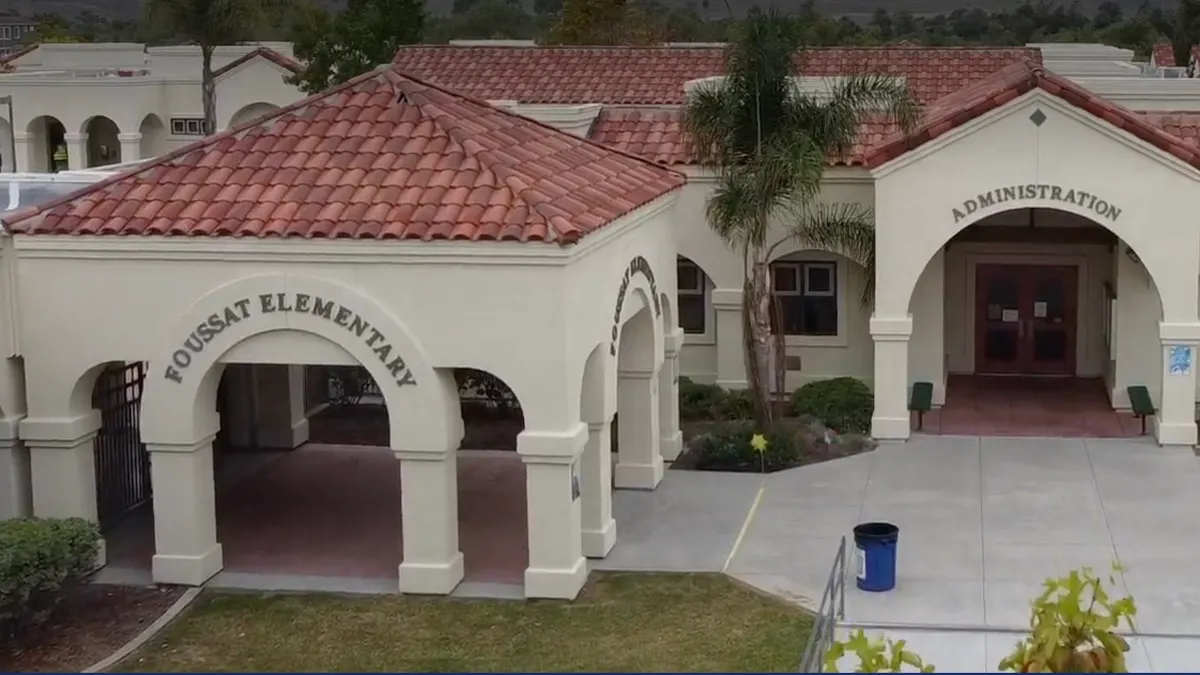
- The public magnet school — Foussat Language Academy, in California's Oceanside Unified School District — piloted a multi-tiered system of supports model for SEL last semester. The first tier of supports included SEL curriculum presented to an entire class, while the second offered group support, and the third focused on individual support for students.
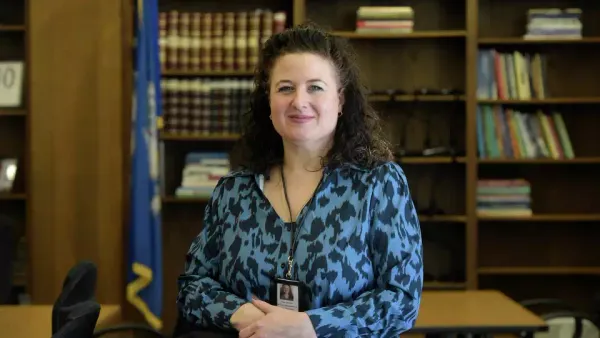
- After an initial pilot during the second semester of 2025-26, the program is being fully launched this school year. Teachers are being trained on the Move This World student mental health curriculum model and the Devereux Student Strengths Assessment of SEL and student success in August, according to Elyse Valentine, the 700-student K-5 school’s only counselor.
Dive Insight:
Foussat’s multi-tiered support program came together, Valentine said, after the district struck partnerships with Riverside Insights around DESSA and Move this World, as well as The Stepping Stones Group, which helps provide and deliver student mental health services.
“We’re always looking at ways to support our students’ mental health because that supports their whole learning process,” she said. “Especially for my school, with its large size, we were excited to pilot this for other schools. … It’s not always that you find a program that connects multiple tiers together in one program like this does.”
The pilot began in February, with Move This World addressing Tier 1 support in the classroom while also alerting administrators, counselors and clinicians to support who may need Tier 2 or Tier 3 referrals, along with the Devereux assessment serving as an early identification method for Tiers 2 or 3 services. Next school year, the assessment will be used to track progress in student and emotional regulation skills over time while the in-class lessons provide students with background knowledge about SEL skills they can employ, Valentine said.
“We are hoping the lessons, in time, will give the students more coping skills and more emotional regulation,” she said. The lessons are “also great for the teachers to have in their toolbox,” in part to identify students who need referrals for Tiers 2 and 3 — especially new students whom the teachers don't know as well.
Some 58% of public schools reported more students looking for school-based mental health support in the 2024-25 school year than in the year before, according to an analysis released last September by KFF, a nonprofit health polling, research and news organization. Just half of all respondents, however, said they could effectively provide the necessary services for all students with social and emotional issues.
Valentine said she has joined with Foussat’s school psychologist, nurse, social worker, principal and assistant principal to form a coordinated community care team. “We’re able to look at that [assessment] data to identify students who need that extra support,” she said.
While Foussat did not collect comprehensive data on the overall results during the first semester of the school's multi-tiered support pilot, Valentine shared anecdotal reactions from teachers. One kindergarten class with “challenging” students dove into the lessons at least three times per week, and the teacher said the SEL curriculum provided language to use with students to help them better understand and regulate their emotions.
Next school year, Foussat plans to hang posters throughout the school — in classrooms, offices and elsewhere — with emojis that relate to emotion management skills to ensure that everyone has that common language, Valentine said.
“We’re excited next year to see changes, to see the growth in coping skills and emotional regulation,” she said.
Correction: A previous version of this article misidentified Move This World. We have updated our story.