Some school districts are changing their LGBTQ+ policies after continued pressure from the Trump administration.
The pivots come after more than a year of the U.S. Department of Education's Office for Civil Rights and Student Privacy Policy Office routinely initiating investigations into districts under privacy and other laws. The agency's probes have pushed for these school systems to share "gender support plans" and other LGBTQ+-related materials or information with parents, or curb such materials entirely.
Last week, the department announced a resolution agreement with Kansas' Topeka Public Schools that prevents the district from creating gender support plans, requires the district to share existing plans with parents, and incorporates agency-approved teacher and administrator training materials on the Family Educational Rights and Privacy Act.
The agreement comes a year after the Education Department launched an investigation into that district and three others — including Kansas City, Kansas Public Schools — partly as a result of the state's Attorney General Kris Kobach tipping off the agency.
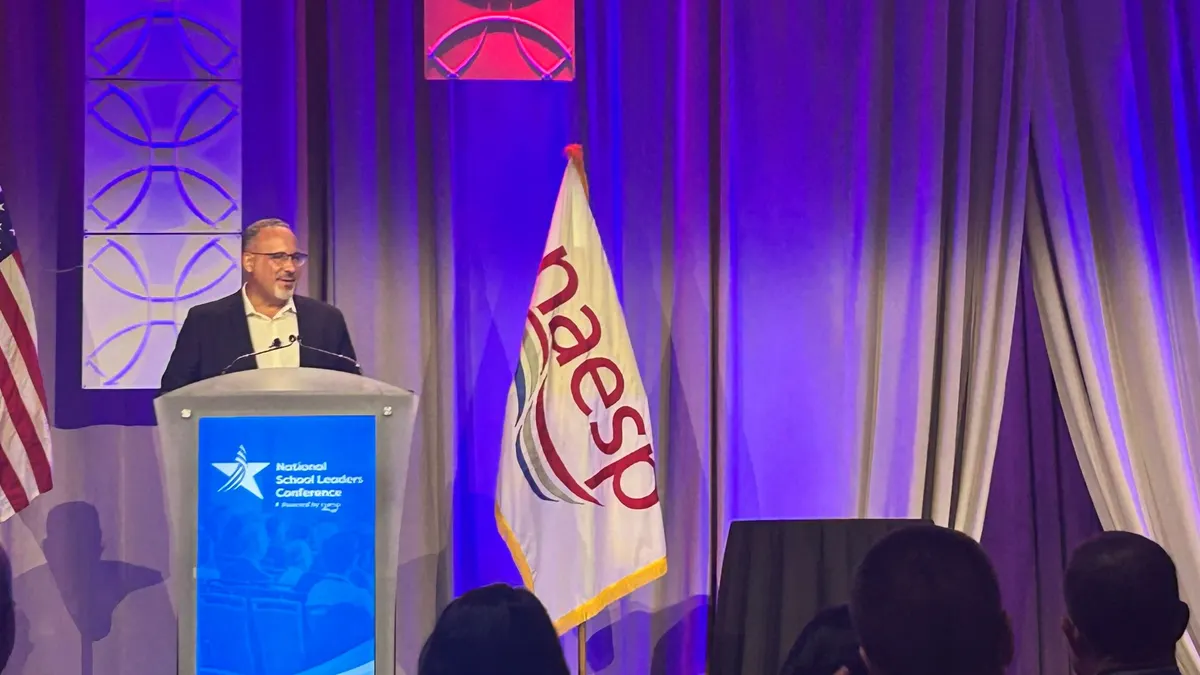
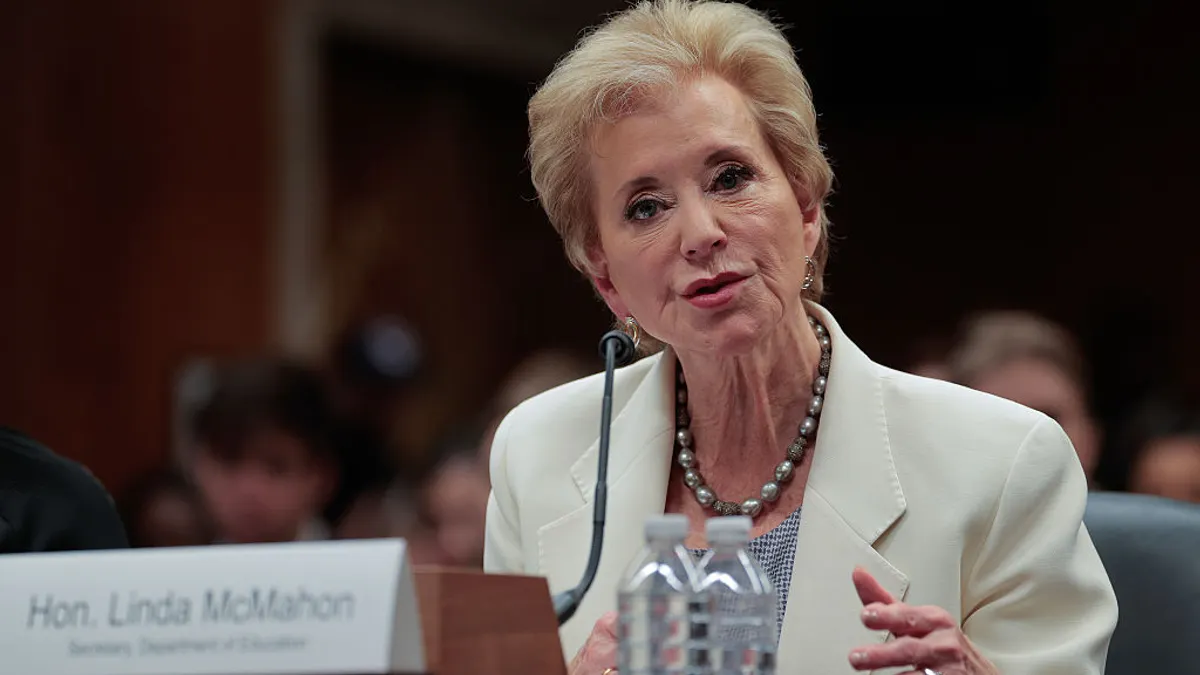
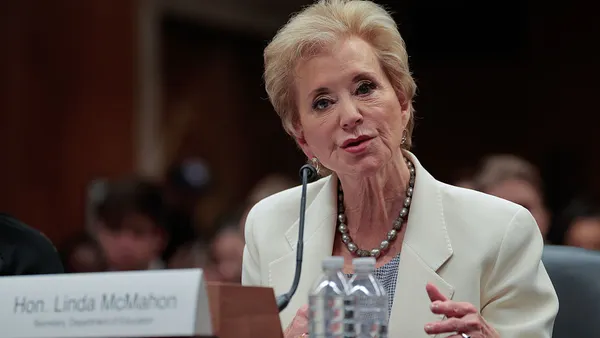
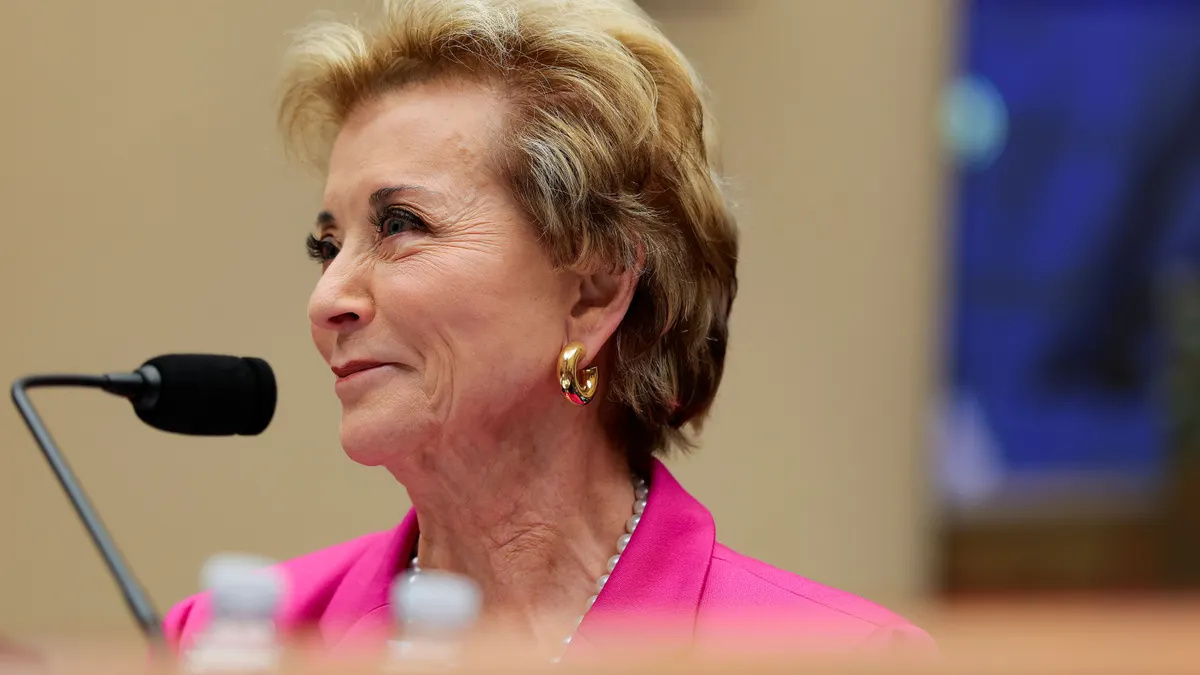
“I am glad to see Topeka Public Schools was willing to come to the table and work with us to come into compliance with federal law," said U.S. Education Secretary Linda McMahon in an Aug. 25 statement. "I hope more school districts will take this necessary step voluntarily, but our work is far from finished."
About a week prior, on Aug. 19, Maryland's Anne Arundel County Public Schools said it was adjusting its policies and procedures following a letter it received from the U.S. Department of Justice after allegations from the Education Department that it "improperly classifies information about a student’s so-called ‘gender identity’ as ‘confidential medical information’ that cannot be shared with parents."
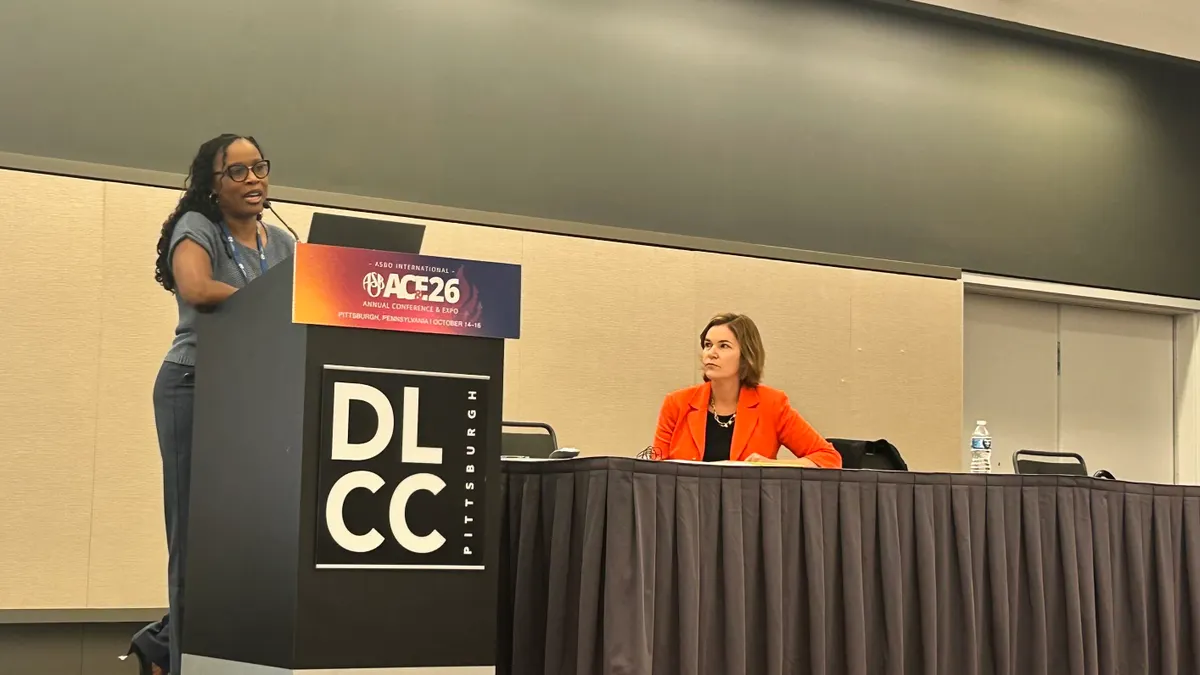
The district's superintendent, Mark Bedell, said in an Aug. 19 letter to the district community that the district changed its regulations for "safe and inclusive environments for LGBTQ+ students" as a result. The policies now specify that parents and guardians retain "the right to inspect and review their student’s complete education record."
"As made clear by these amendments, no policy, guideline, or practice may limit or otherwise interfere with parental rights under FERPA, and this includes any information maintained in education records that relates to gender identity, transgender status, sexual orientation, preferred name, or preferred pronouns," said Bedell.
Other districts challenge investigations
However, districts' responses to the Trump administration's pressure haven't been uniform.
Two of the other Kansas cases — related to Olathe Public Schools and Shawnee Mission Public Schools — were referred to the Justice Department for failure to come to an agreement the same day Topeka's resolution agreement was announced.
The Education Department said it proposed agreements similar to Topeka's to those districts, but that the agency is partnering with the Justice Department's Civil Rights Division to take enforcement action including potential judicial proceedings and loss of federal funding.
In the Kansas City, Kansas Public Schools case, the Justice Department on Sept. 1 announced it was suing the district after the Education Department determined on Aug. 25 that the school system was out of compliance with FERPA and the Protection of Pupil Rights Amendment.
The complaint says that following the noncompliance finding, "The United States determined the District would not voluntarily comply with FERPA and PPRA’s requirements."
Ryan Kriegshauser, U.S. Attorney for the District of Kansas, said in a Sept. 1 statement that the lawsuit "should not come as a surprise."
In an accompanying statement, McMahon said, “For decades, schools operated with little accountability as federal parental rights laws like FERPA and PPRA went unenforced, allowing some districts to cut parents out of deeply personal matters involving their own children. That era is over. "
Many other districts have challenged the Education Department's enforcement under the second Trump administration, particularly over LGBTQ+ policies and practices. Such pushback would have previously been an atypical response to OCR investigations that have traditionally ended in collaborative resolution agreements between the federal government and local school districts and handled in good faith.
Under the Trump administration, however, fast-paced investigations have often led to one-sided agreements proposed by the government that districts have decided to forgo at the risk of litigation and losing federal funding.
The first such high-profile case was seen in 2025 against Maine after President Donald Trump had a public spat with Gov. Janet Mills over the state's transgender-inclusive policies. In that case, the government targeted the state through multiple agencies, including the U.S. Departments of Education and Agriculture.
The Education Department's investigation was launched under Title IX and eventually referred to the Justice Department, which sued the state over $864 million in federal funding related to its transgender athletics policies. That lawsuit is still ongoing.
In another instance, Virginia's Fairfax County School Board and Arlington School Board separately sued the Education Department last year after the agency decided the districts had violated Title IX by allowing transgender students access to sex-segregated facilities aligning with their identities. Instead of reaching agreements with the government, the school boards sued to protect millions in federal funding, including for school food and special education purposes.
Both districts appealed those cases, which were consolidated, to the U.S. 4th Circuit Court of Appeals after a lower district court denied the districts a temporary restraining order and dismissed the cases.
The appeals court heard the consolidated cases in January, and is ongoing.
In June 2025, California sued the Justice Department “in anticipation of imminent legal retaliation against California’s school systems” after the state flouted the federal government’s warnings and guided its districts to allow transgender students to play on sports teams aligning with their gender identities. That case is also still pending.
Correction: A previous version of this article did not include both U.S. Department of Education offices under which investigations into districts have been launched under privacy and other laws. The article has been updated.