Curriculum: Page
-

 Getty Images
High-quality materials that engaged parents sustained learning remotely during pandemic
Research suggests some students learned as much or more compared to a normal school year when learning materials factored parents into the process.
By Roger Riddell • Aug. 11, 2021 -
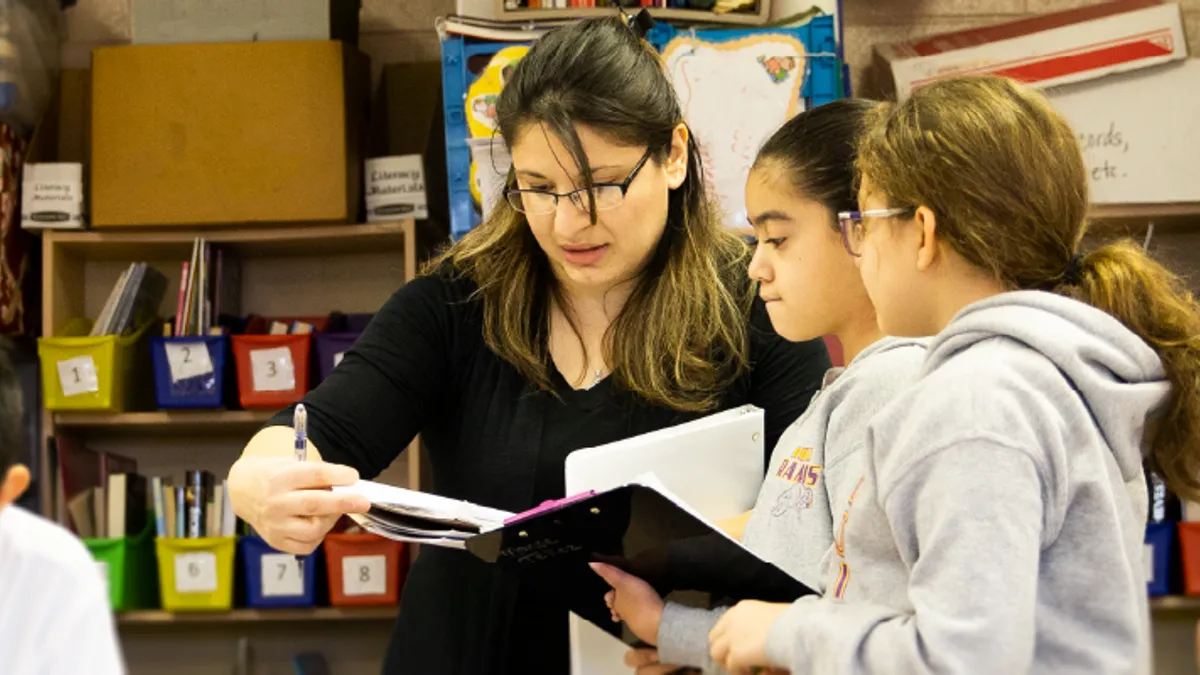 Permission granted by NWEA®
Virtual tools adopted during pandemic can enhance classroom projects
Putting new technology and skills gained over the past year to work across in-person curriculum will be critical to make the most of those investments.
By Lauren Barack • Aug. 11, 2021 -
Trendline
Curriculum
Educators are exploring a variety of strategies to improve students’ learning experiences while continuing to navigate ongoing political disputes.
By K-12 Dive staff -
 Sean Gallup via Getty Images
Expanding choice in writing can build students' confidence to tackle longer assignments
Finding ways to tap students' interests and building up to deeper written work with shorter assignments are among suggested strategies.
By Lauren Barack • Aug. 4, 2021 -
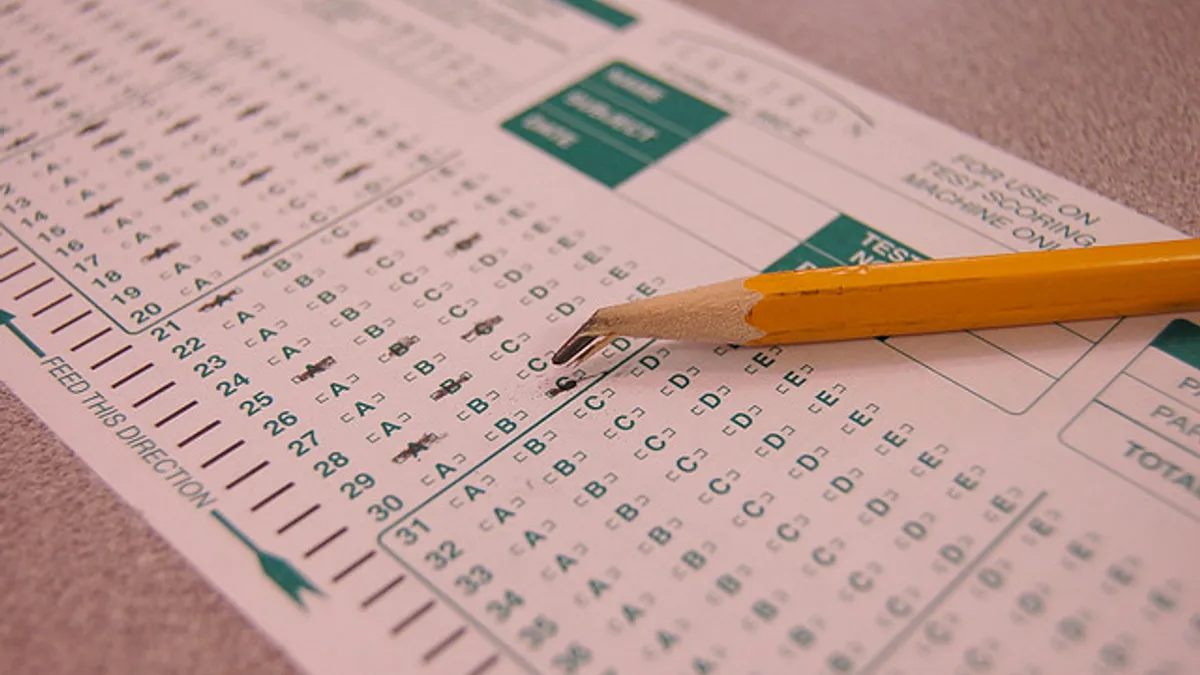
How K-12 schools are switching gears on college prep as test-optional admissions grow
With two-thirds of four-year institutions not requiring the SAT or ACT for at least fall 2022 admissions, schools are exploring portfolios, early college and more.
By Lauren Barack • Aug. 4, 2021 -
 Linda Jacobson/K-12 Dive
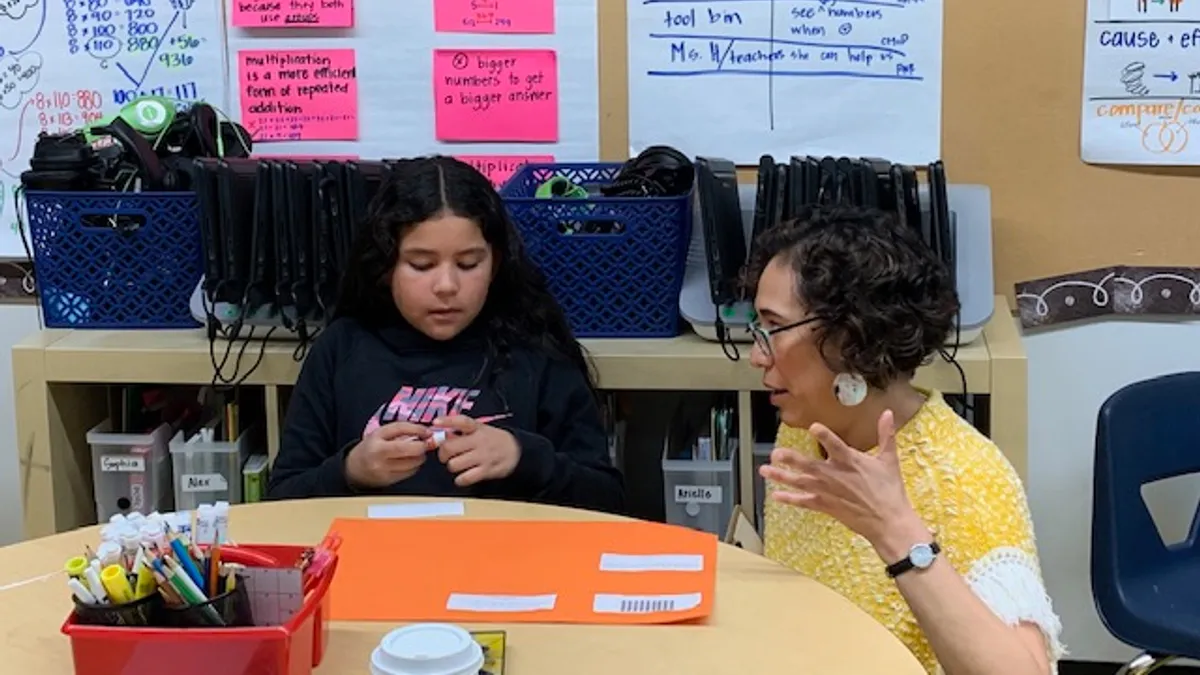
Choice boards expand students' learning options
Providing students more ways to demonstrate their learning can enhance their satisfaction in their work and engagement in class.
By Lauren Barack • July 28, 2021 -
 Permission granted by Portland Public Schools
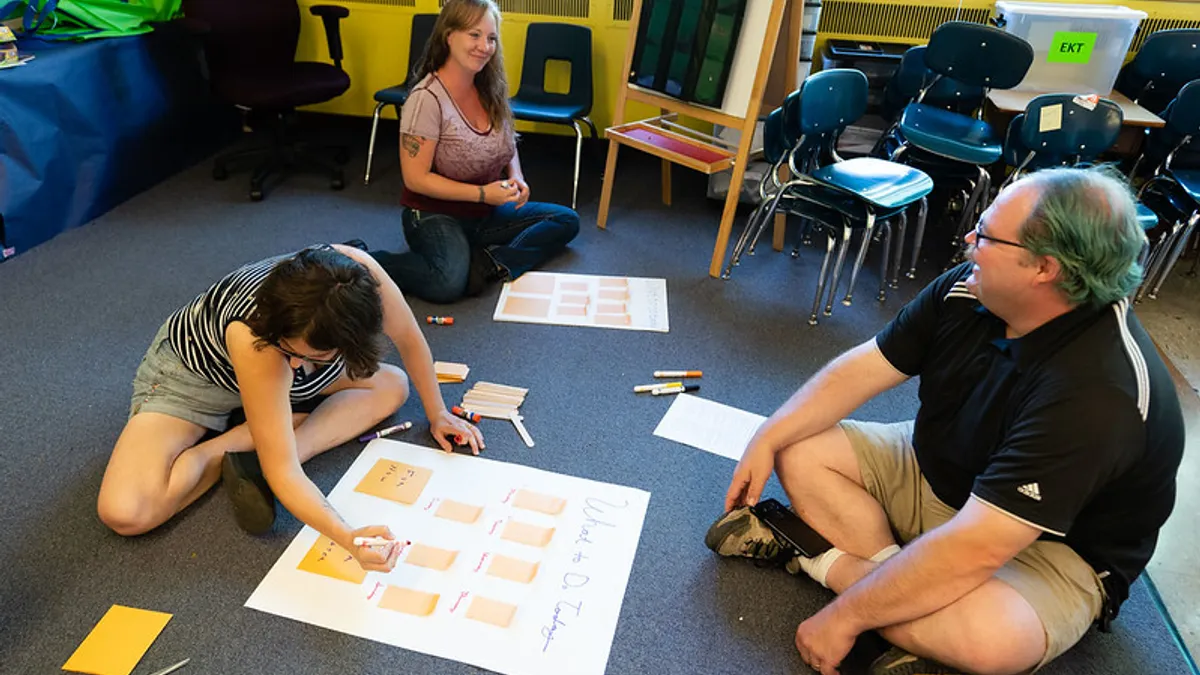
Summer programs provide boost to students who struggled in difficult year
Tennessee is seeing success with summer math and reading programs that are giving thousands of students an opportunity to catch up.
By Shawna De La Rosa • July 28, 2021 -
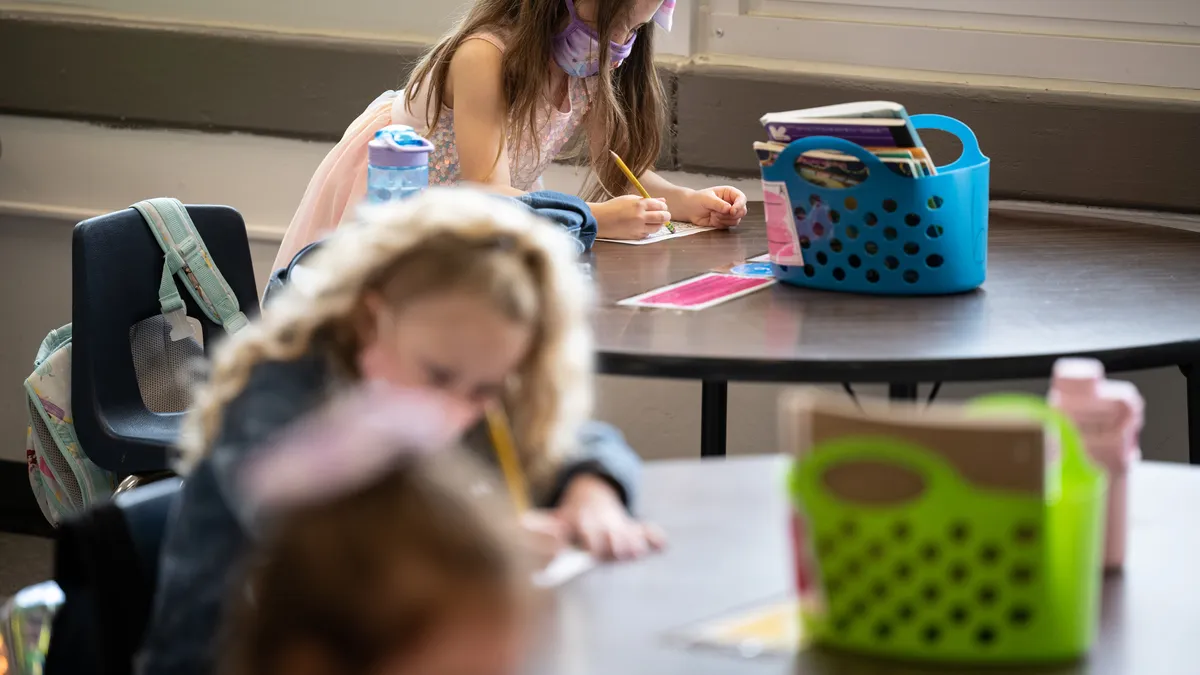 Jon Cherry via Getty Images
Reports: Math, reading progress slowed during first full school year of pandemic
Three separate assessment analyses show younger students, students of color and low-income students had lower rates of academic gains.
By Kara Arundel and Naaz Modan • July 28, 2021 -
 Permission granted by Meghan Martins
PROMISING PRACTICES
Permission granted by Meghan Martins
PROMISING PRACTICESPromising Practices: High schools, communities set visions for reforms
A grant program helped support initiatives like "Portraits of a Graduate," setting priorities for skills necessary for college and career success.
By Kara Arundel • July 27, 2021 -
 Getty Images
Surveys can help educators tap into students' interests
By giving students a chance to bring their personalities and passions into the classroom, educators give more latitude in demonstrating learning.
By Lauren Barack • July 21, 2021 -
 George Frey via Getty Images
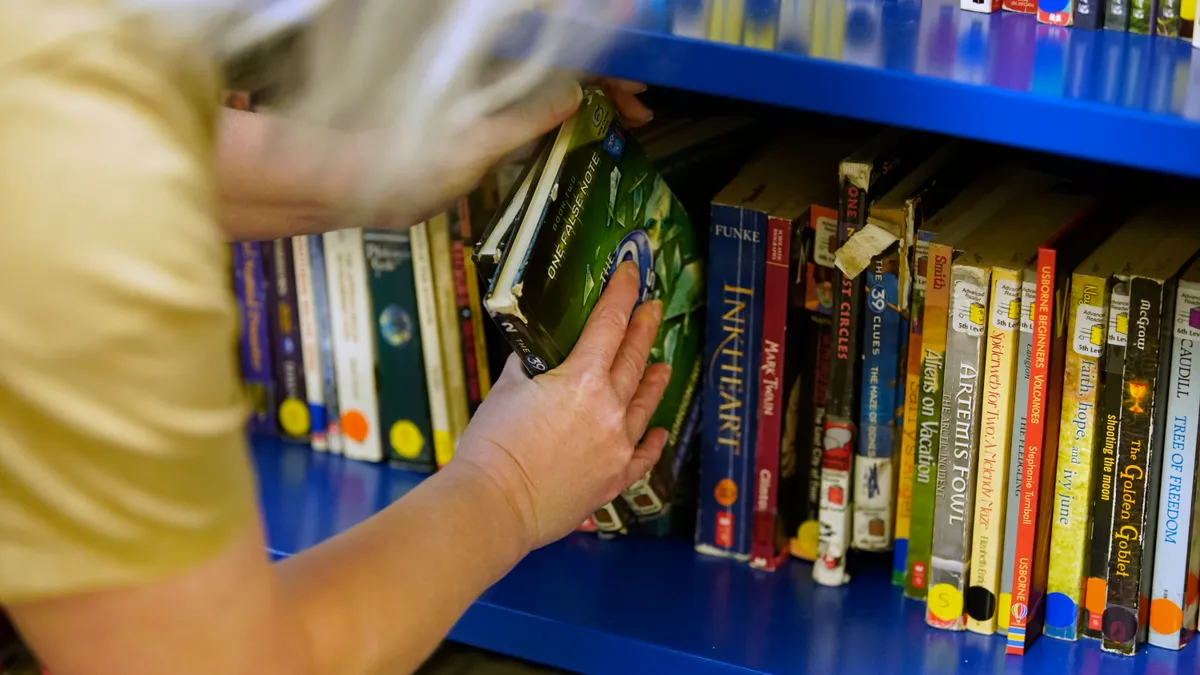
NPC 2021: How SEL can help raise high school reading achievement
Relationship-building moments may seem like they take time from instruction but can be just as important to literacy and overall learning, panelists said.
By Kara Arundel • July 16, 2021 -
 Nathan Howard via Getty Images
Research: Northern textbooks influenced by post-Civil War Southern narratives
Social studies teachers should be mindful of the history of curricula development and dissemination as they prepare Civil War lessons, a Georgia State University professor said.
By Kara Arundel • July 14, 2021 -
 John Moore via Getty Images
Culturally responsive curriculum serves students in classrooms — and beyond
Lessons that are student-centered and raise social awareness help strengthen students' identities while supporting critical thinking.
By Lauren Barack • July 14, 2021 -
Texting interventions increased during the pandemic, but are they worth the investment?
A new study questions the effects of parental texting programs on outcomes and suggests negative impacts in other parental involvement areas.
By Naaz Modan • July 14, 2021 -
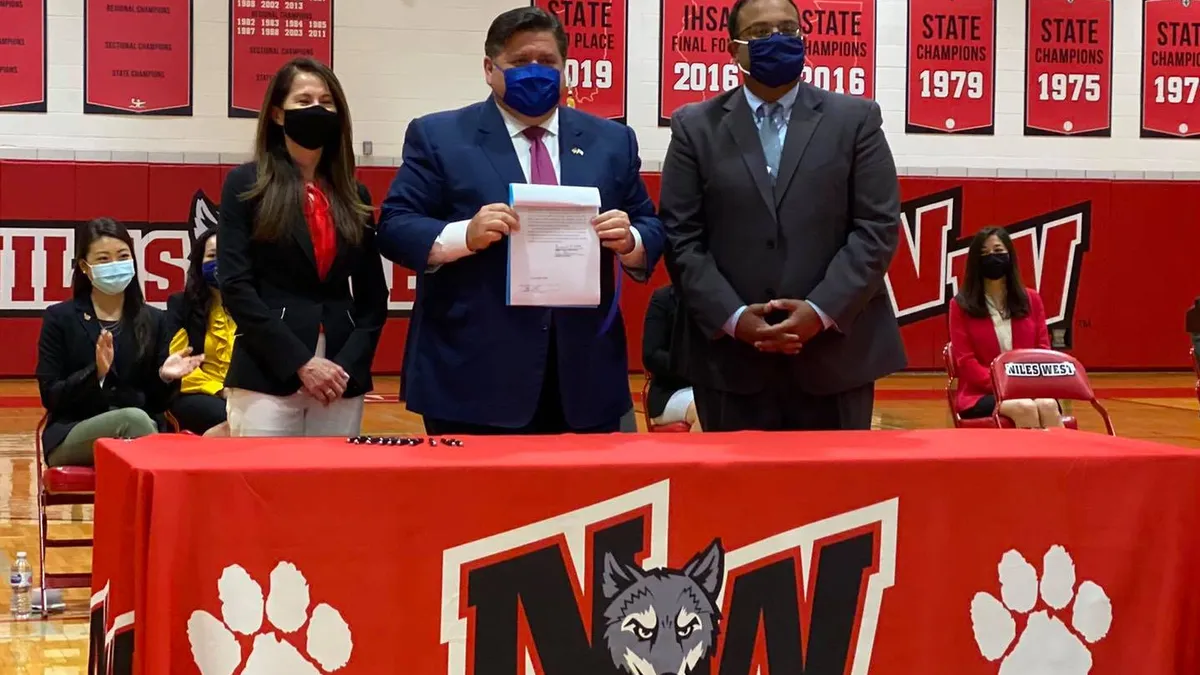 Retrieved from Governor Pritzker on July 12, 2021
Illinois becomes first state requiring schools to teach Asian American history
Beginning in the 2022-23 school year, Illinois elementary and high school students will learn at least one unit covering the subject.
By Naaz Modan • July 13, 2021 -
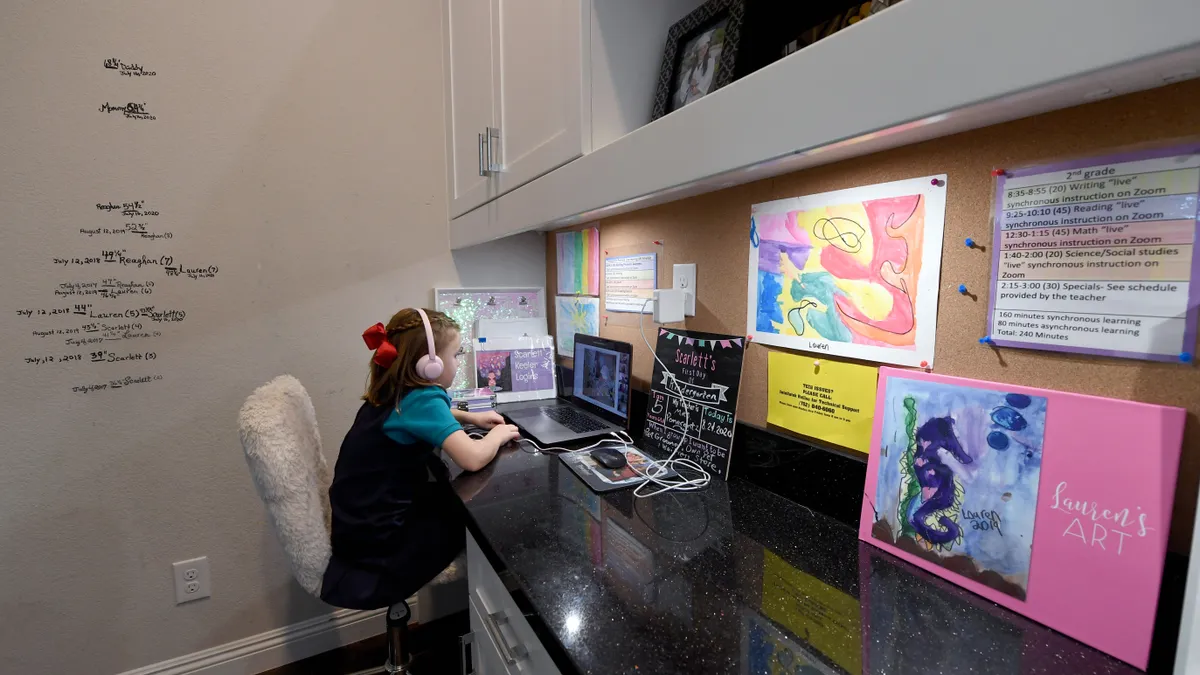 Ethan Miller via Getty Images
Challenges, benefits of keeping school devices in students' hands over summer
Maintaining access to educational content over summer boosts equity, but there are also major tech management considerations and costs.
By Kara Arundel • July 9, 2021 -
 Getty Images
Lessons in respectful discourse grounded in critical thinking, persuasion
Students' interests and current events are a gateway to engaging them in building skills for civil discussions, even when they disagree.
By Lauren Barack • July 7, 2021 -
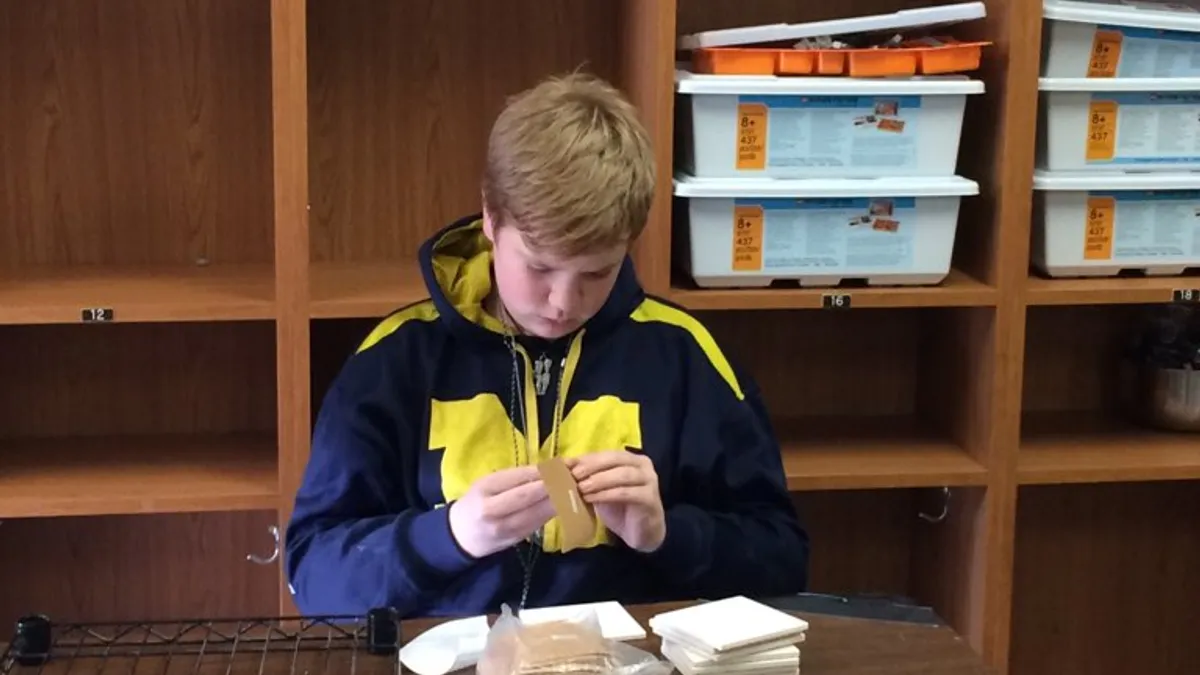 Permission granted by Michelle Stephens
Deep Dive
Permission granted by Michelle Stephens
Deep DiveUsing the Olympics to bring STEM excitement into classrooms
The Summer and Winter Olympic Games can add real-world context and relevance to a variety of science and engineering lessons.
By Lauren Barack • July 7, 2021 -
Jon Cherry via Getty Images
Weaving SEL into a standards-focused curriculum
With students' social-emotional needs likely a high priority, educators may want to consider using cross-curricular approaches to streamline assignments.
By Lauren Barack • June 30, 2021 -
 Roger Riddell/Screenshot/K-12 Dive
ISTE 2021: Teachers share pandemic 'aha' moments and how they'll apply them
Educators in a Tuesday webinar discussed helping learners develop autonomy, deepening student relationships, and enhancing collaboration.
By Roger Riddell • June 30, 2021 -
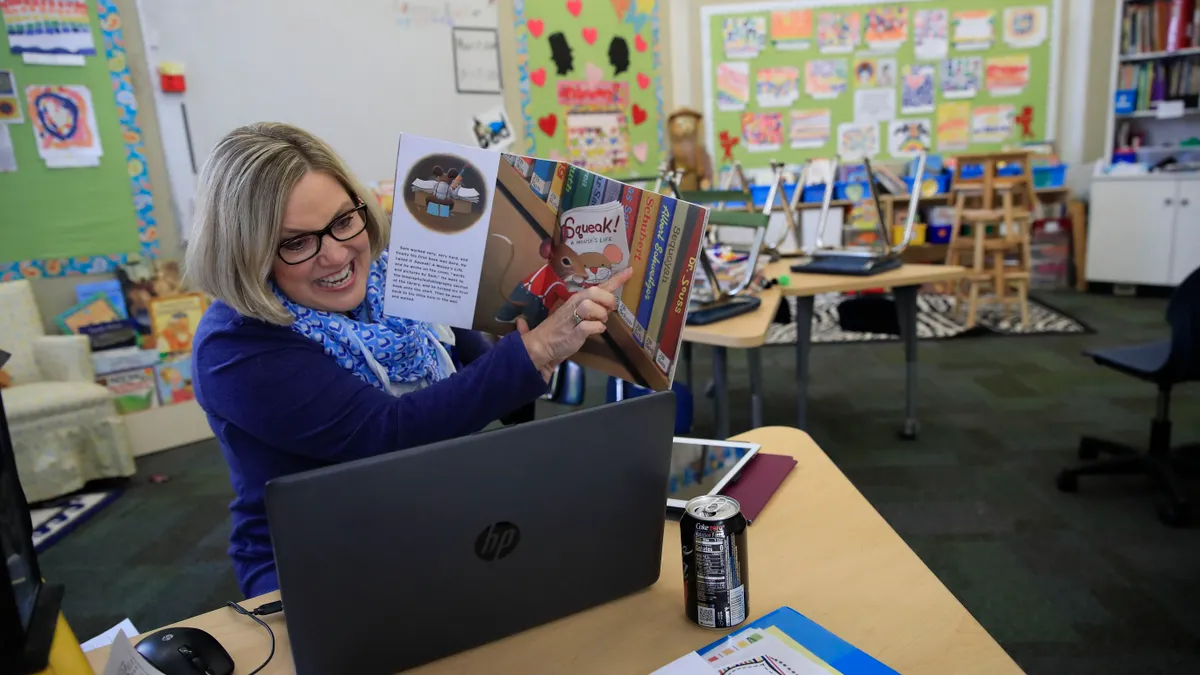 Andy Lyons via Getty Images
ISTE 2021: 4 ways to make project-based learning work online
Advanced planning and ed tech tools can help educators manage engaging projects remotely, said PBL experts during this week's ISTE virtual conference.
By Kara Arundel • June 30, 2021 -
 Tasia Wells via Getty Images
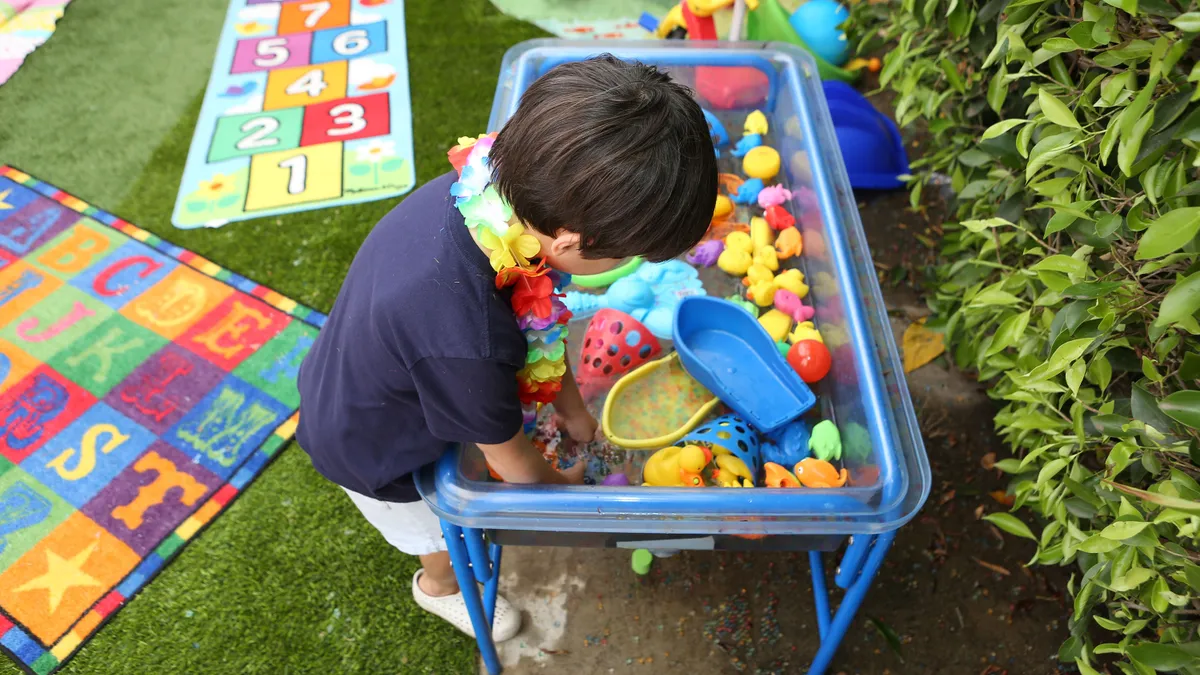
Quality PD, curriculum frameworks critical for robust early childhood ed
Early learning experts in a virtual discussion expressed optimism that federal relief can help advance young children’s academic and social development.
By Kara Arundel • June 29, 2021 -
 Retrieved from UPI / Alamy Stock Photo on March 01, 2021
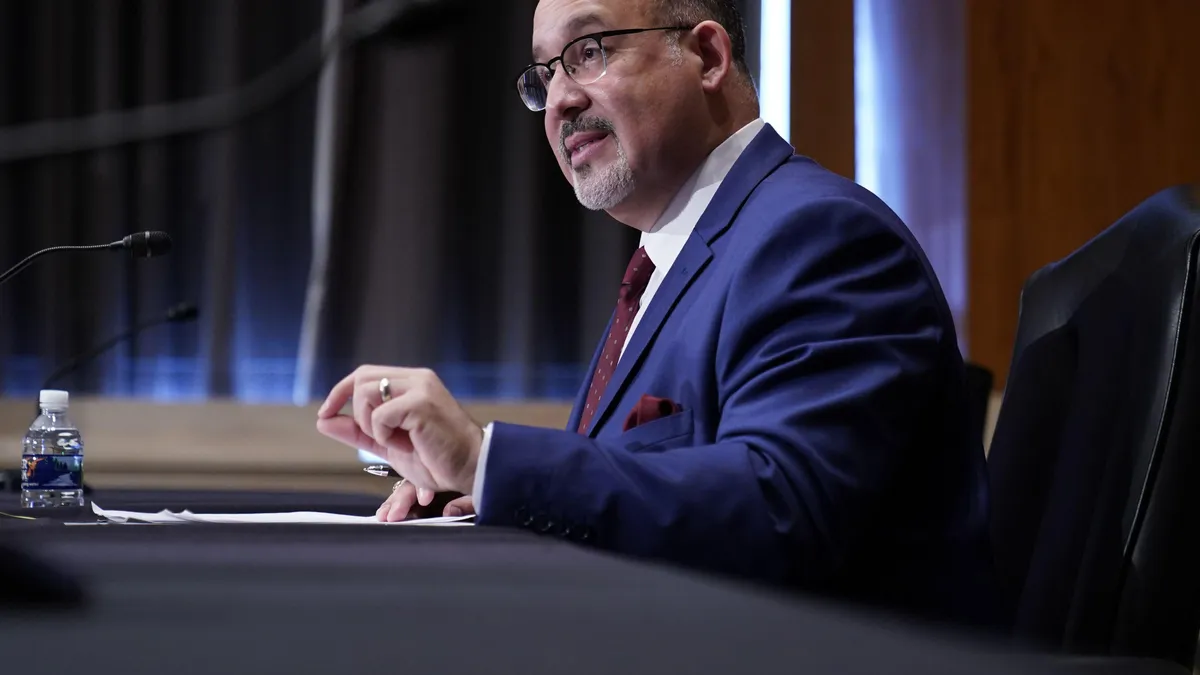
Lawmakers show division on instruction around racism in America
U.S. Secretary of Education Miguel Cardona repeatedly said during a hearing Thursday that the federal government doesn't dictate curriculum.
By Kara Arundel • June 25, 2021 -
 John Moore via Getty Images
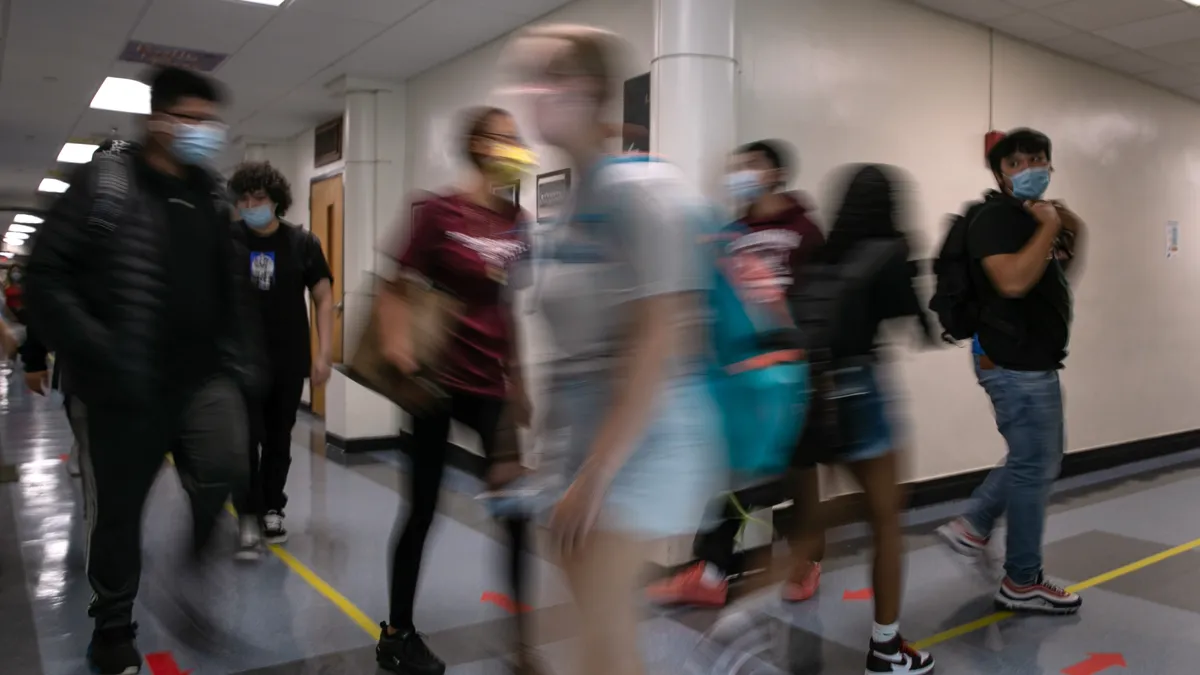
Curricula can incorporate consent beyond health class
Recognizing personal boundaries and understanding trauma go hand-in-hand with SEL skills like empathy, communication and compassion.
By Lauren Barack • June 23, 2021 -
 Spencer Platt via Getty Images
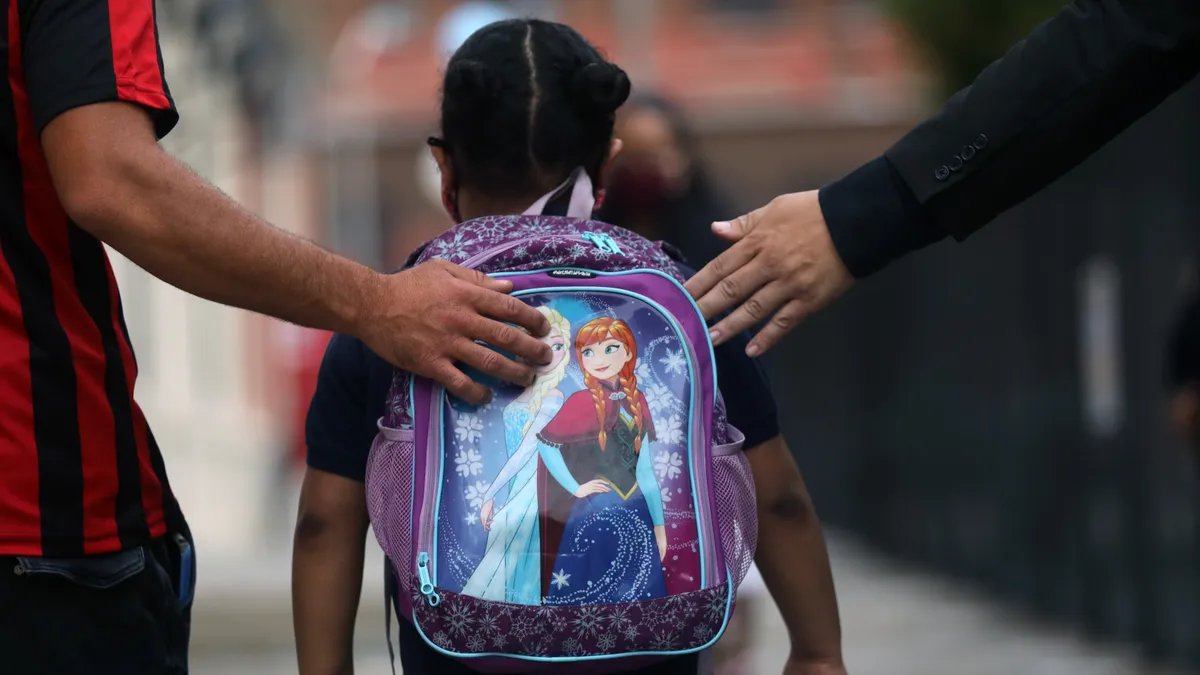
Study: George Floyd's murder sparked teacher demand for anti-racist resources
Research finds more requests for books by or about African Americans than after any other race-related event over the past 10 years.
By Kara Arundel • June 23, 2021 -
 Jon Cherry via Getty Images
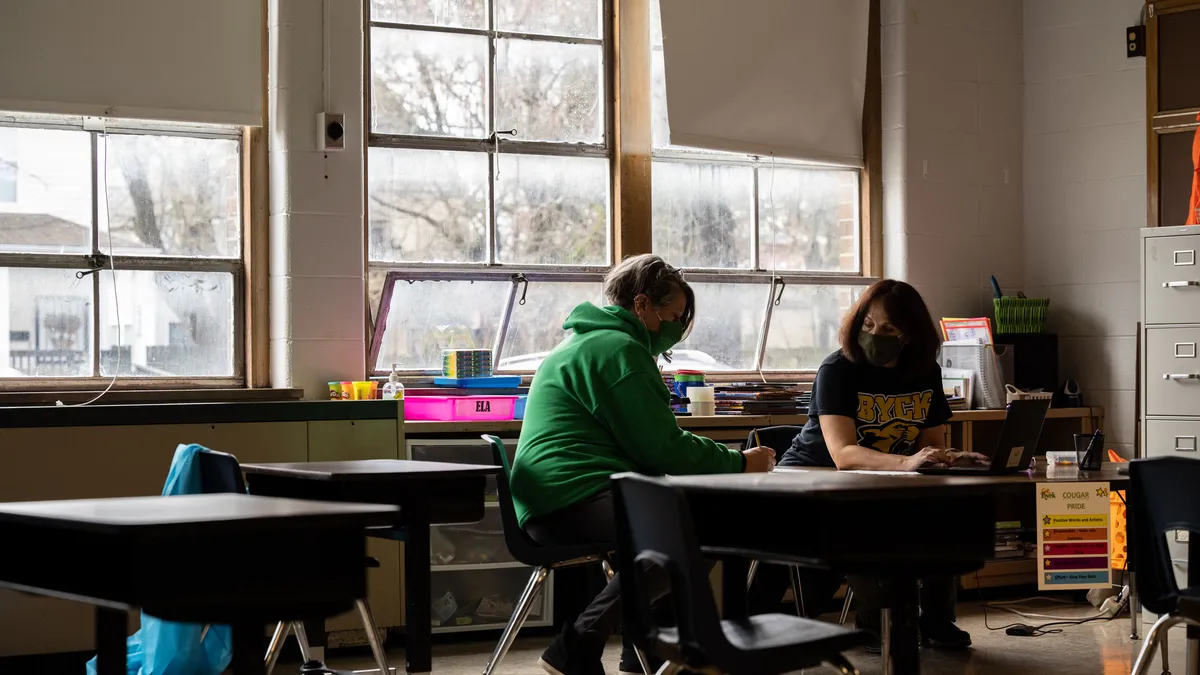
After a year of distance learning, where are classroom design trends headed?
Pandemic-era partitions and barriers will eventually come down, but the push toward more flexible, modern classrooms continues.
By Shawna De La Rosa • June 23, 2021


 Previous