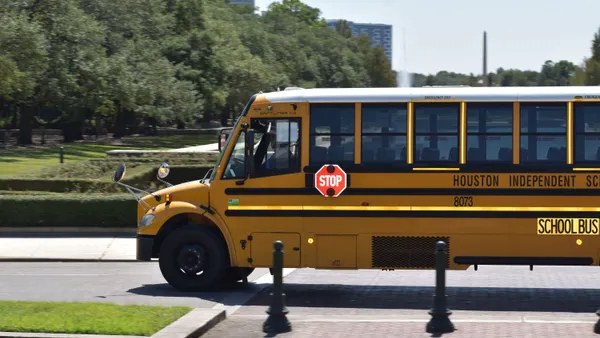
School calendar shifts can be typical in certain regions as districts deal with school closures due to extreme weather, but January's massive snow and ice storm — and ensuing recovery — impacted schools stretching from Texas to up and down the East Coast.
As a result, school districts in roughly 40 states are now balancing the need to make up the lost instructional time during the remaining months of the school year alongside already scheduled events like state testing and high school graduations.
Maryland's Montgomery County Public Schools, for example, is adding March 20 as an instructional day. Previously, that day was off for all students and staff in observance of Eid al-Fitr, a Muslim holiday. The district is also adding an extra early release day to the school year, with the new last day of school being scheduled for June 18.
North Carolina's Wake County Public School System already squeezed in a make-up day this week by removing Monday — President's Day — as a day off.
And Carter County Schools in Grayson, Kentucky, is adding 20 minutes to the school day starting Feb. 23 through the last day of the school year on May 29, according to an announcement on the school website.
The district, which has missed 23 instructional days this school year due to weather, is also eating into its spring break to make up two school days.
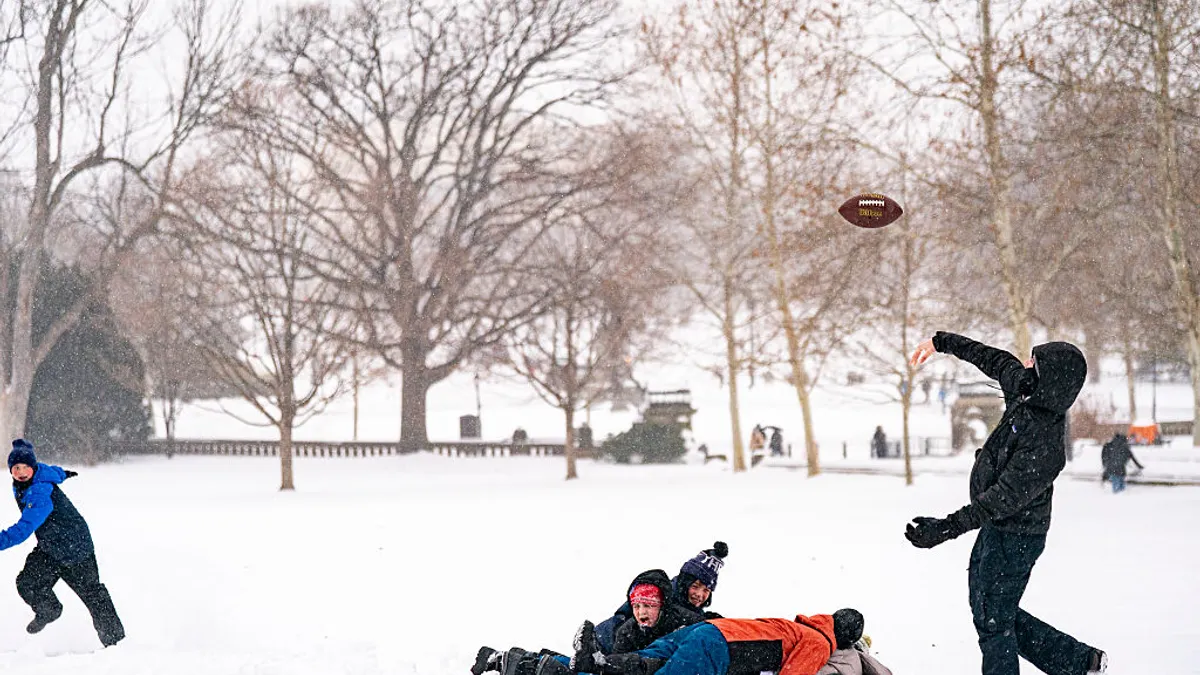
'Snow days are fun for about 24 hours'
Some school districts don't have to make any calendar changes due to January's snow and ice storm. Tennessee's Memphis-Shelby County Schools was granted a state waiver for five of the 10 school days missed due to the winter ice storm, and no make-up days are required.
In a few other states, like Georgia and Michigan, districts are allowed a certain number of weather-related closures that are not subject to make-up days.
The decisions about if and how to make-up learning days due to weather is based on state law, local policies, how instructional time is counted, and if remote learning counts as a school day. In other words, the make-up policies in districts differ across the country.
"Snow days are fun for about 24 hours," said a Montgomery County Public School's notice posted Feb. 4. "And after all the ‘fun’ parts of that first snow day subside, things quickly shift to addressing our responsibilities and the hurried preparations for re-opening of schools so that families can address their responsibilities."
According to NWEA, a research and assessment company, the January winter storm impacted school systems in 40 states and caused thousands of districts to close school buildings. Many districts, however, are turning to virtual learning to keep instruction going.
But virtual learning doesn't mean make-up days aren't needed. Four states — Arkansas, New Jersey, Connecticut and Massachusetts — and the District of Columbia prohibit remote learning as counting toward instructional time. Nearly two dozen states limit the number of remote learning days that can count toward instructional days during the school year, according to NWEA.
And it's not just the snow and ice impacting learning this school year: Extreme heat in California is to blame for 73% of the state's school closures and disruptions in fall 2025, leading to the loss of 55,188 instructional hours, according to a January report from Undaunted K12, a nonprofit that helps school systems respond to climate change challenges.
Studies have warned of the impact on learning due to extreme weather events. An NWEA study released last year estimated that for every day students missed school due to hurricanes and wildfires, there was an average of 3.6 days of instructional loss. The calculation was based on state end-of-school year standardized test data for Hurricanes Katrina, Florence and Matthew and for California wildfires between 2009 and 2017.




 Dive Awards