Dive Brief:
- Nearly 80% of elementary students and 75% of middle and high school students do not feel safe on school buses, while 67% of secondary students feel safest in their classrooms, according to a report released last week by YouthTruth, a nonprofit that prioritizes student voice in improving schools.
- While safety anxiety is widespread, students who are Black; Hispanic or Latino; English learners; American Indian, Alaska Native, or Indigenous; or LGBTQ+ experience higher rates of safety anxiety.
- As school leaders set safety policies and procedures, they should engage students and staff to learn about their concerns, recommendations and lived experiences so schools can become safer and more trusting spaces, YouthTruth advises.
Dive Insight:
The report provides an overview of school safety perceptions, including from exposure to fights and weapons, safety in bathrooms and buses, and schools' preparations for natural disasters. Nearly 200,000 students in grades 3-12 and over 19,000 educators were surveyed in the 2024-25 school year about school safety, security and emergency preparedness.
The findings reveal that students feel safer in schools when their safety concerns are heard. For instance, 71% of students in grades 6-12 who agreed that they feel safe during the school day also agree that their school takes their safety concerns seriously.
However, there's a gap between school staff perceptions of safety responsiveness and those of students. The survey found, for example, that while 82% of middle school staff say their school takes staff safety concerns seriously, only 65% of middle school students said their own safety concerns are taken seriously.
There are staff-student gaps in witnessing physical fights, with 18% of high school students saying they often witness fights and only 9% of staff saying the same.
The survey also found differences in perspectives on school preparedness for security threats and natural disasters. For instance, 83% of high school staff said their school has provided clear safety instructions for security threats, compared to only 59% of high school students.
Camilla Valerio, lead researcher and analyst at YouthTruth, said adults must involve students as active partners in school safety.
“These disparities matter because they reflect deeper gaps in trust, belonging, and protection at a time when concerns about school safety are high,” said Valerio, in a Feb. 24 statement. “Schools must respond by pairing safety planning with intentional efforts to listen to students, build trust and include student voices in safety decisions.”
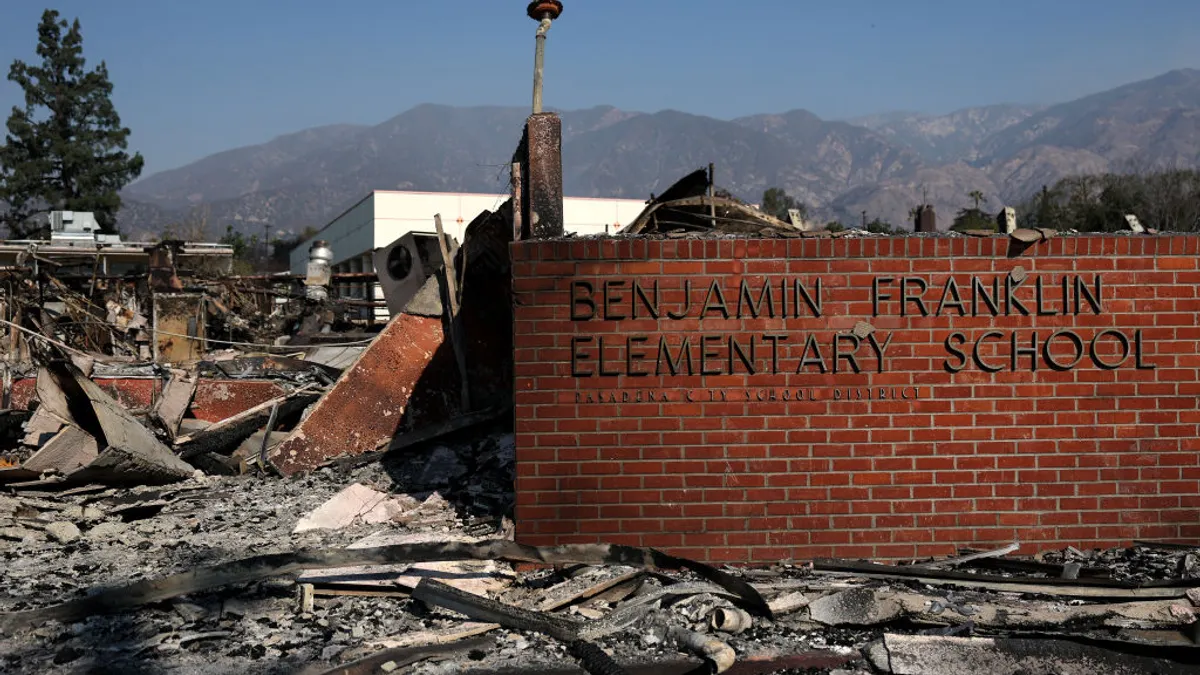
The report also emphasized that, in addition to engagement on school safety issues, youth can play a vital role in contributing to crisis recovery efforts. After the Eaton wildfire in California in 2025, many area high school students volunteered to help Pasadena City College convert space on its campus into a resource hub for displaced families, the report said.