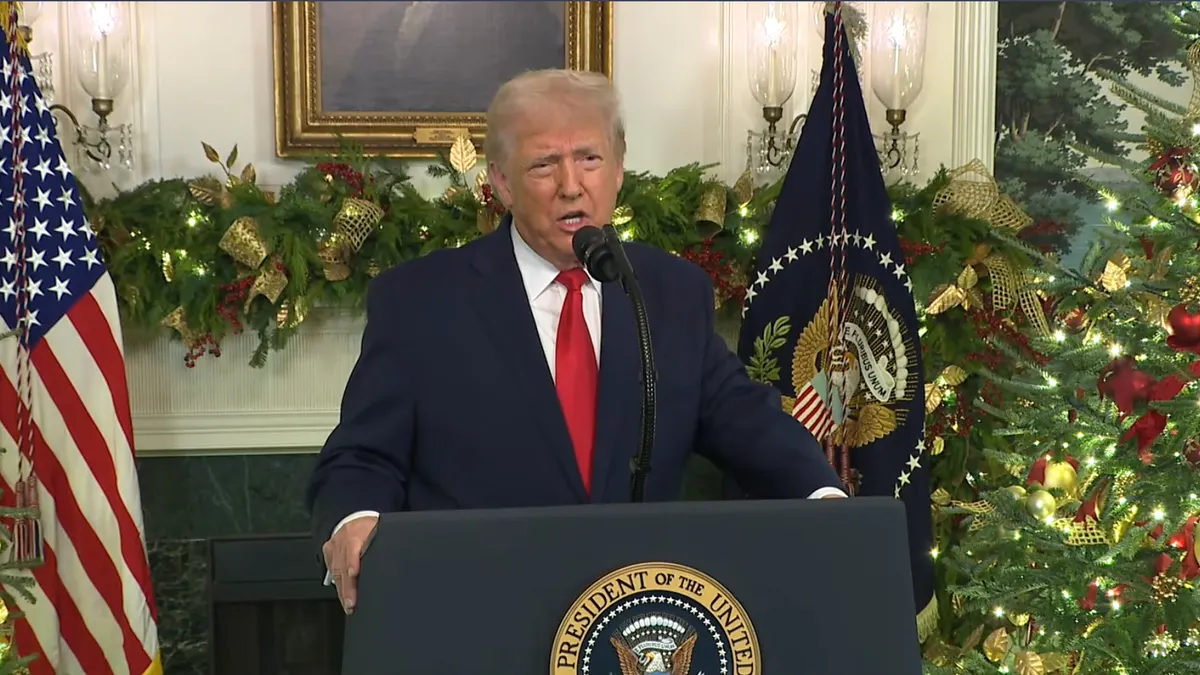
In an address to the nation on Wednesday night, President Donald Trump celebrated increased state involvement and decreased federal oversight in education — a task he said his administration has accomplished in the last 11 months.
"We have broken the grip of sinister woke radicals in our schools," he said, "and control over those schools is back now in the hands of our great and loving states, where education belongs."
Trump, however, remained silent on his education plan for 2026.
Increased state control over education — partly by gutting the U.S. Department of Education — loomed large among U.S. Secretary of Education Linda McMahon's priorities when entering the office in March. McMahon has since announced at least two rounds of layoffs at the department, pauses in some federal funding, and reorganization and outsourcing of key parts of the department itself.
Trump's comments come a month after the Education Department announced six interagency agreements, shifting management of major programs to other federal agencies. The agreements included sending the Office of Elementary and Secondary Education to the U.S. Department of Labor.
However, increasing state control over education and decreasing federal oversight has deeply divided the education community.
While Republican-led states have celebrated Trump's education agenda as allowing them to tailor education to local needs, Democratic-leaning states and lawmakers have said decreased oversight will create more challenges.
"After a year that included mass firings, canceling critical grant funds for our local schools, and cutting access to student loans, the Trump administration is trying to make good on their promise to shutter the Department of Education,” said Sen. Chris Van Hollen, D-Md., according to a statement from a forum convened by Sen. Mazie Hirono, D-Hawaii, a day before the president's address.
Van Hollen added, “While there are many ways to improve our education system, dismantling the department piece by piece only threatens our longstanding goal of ensuring that every child has access to a quality education."
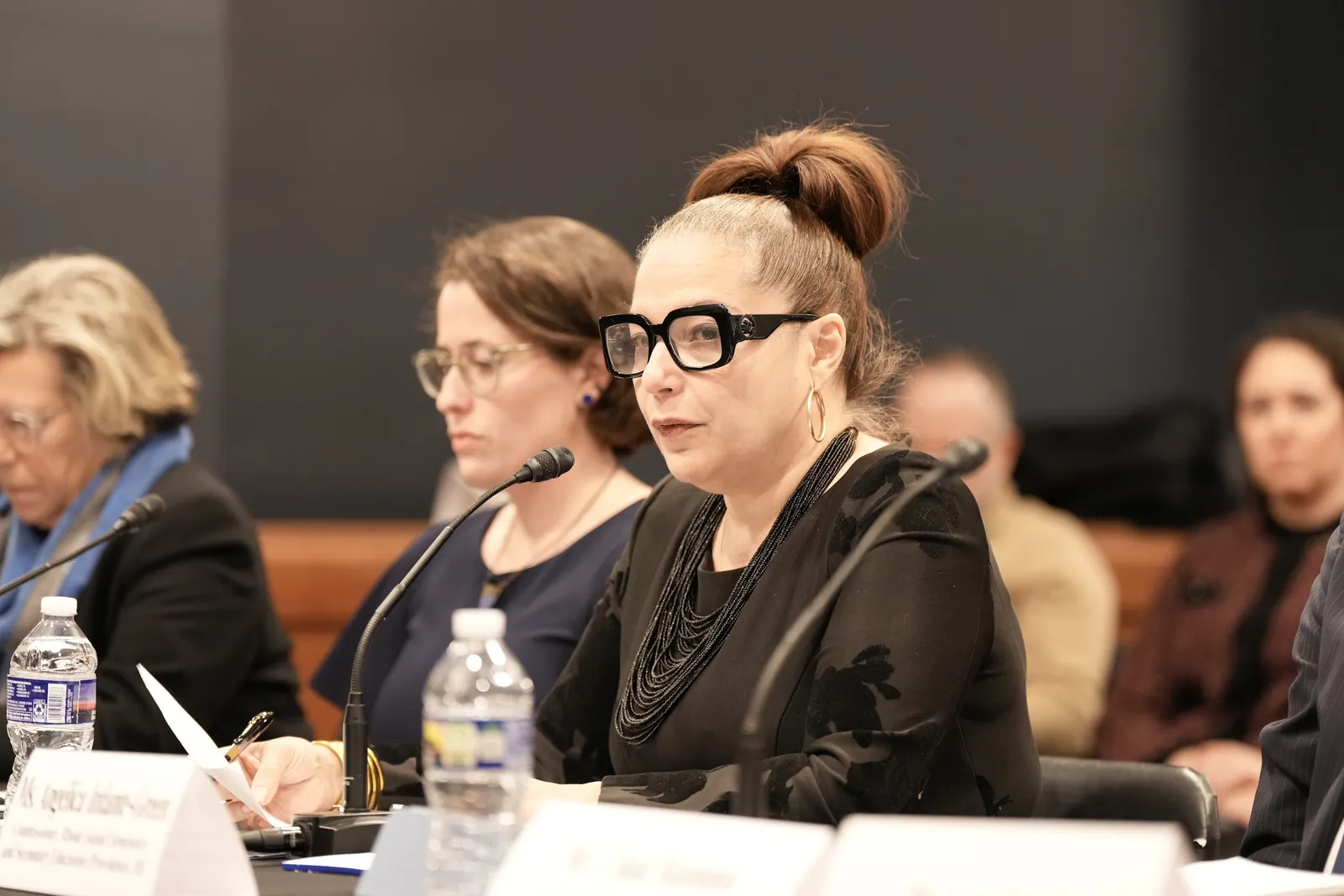
Angelica Infante-Green, Rhode Island commissioner of elementary and secondary education, told Van Hollen and other lawmakers at the Dec. 16 forum that by stepping back from federal support of education, the Trump administration has created "chaos and concern."
Red states, meanwhile, have already begun submitting waiver requests to the Every Student Succeeds Act, a bipartisan measure passed under President Barack Obama that gave increased flexibility to states compared to its predecessor, the No Child Left Behind Act.
Indiana, Kansas and Iowa are among those that have so far sought waivers, and the Education Department's response to them could pave the path for future waivers in other states.






 Dive Awards