Dive Brief:
- A narrow majority of Americans support various forms of employee-led or other religious expression in public schools, according to Pew Research results released Monday.
- Slightly over half favor allowing teachers to lead their classes in prayer as long as students are not required to participate, and for coaches to lead their teams in prayer.
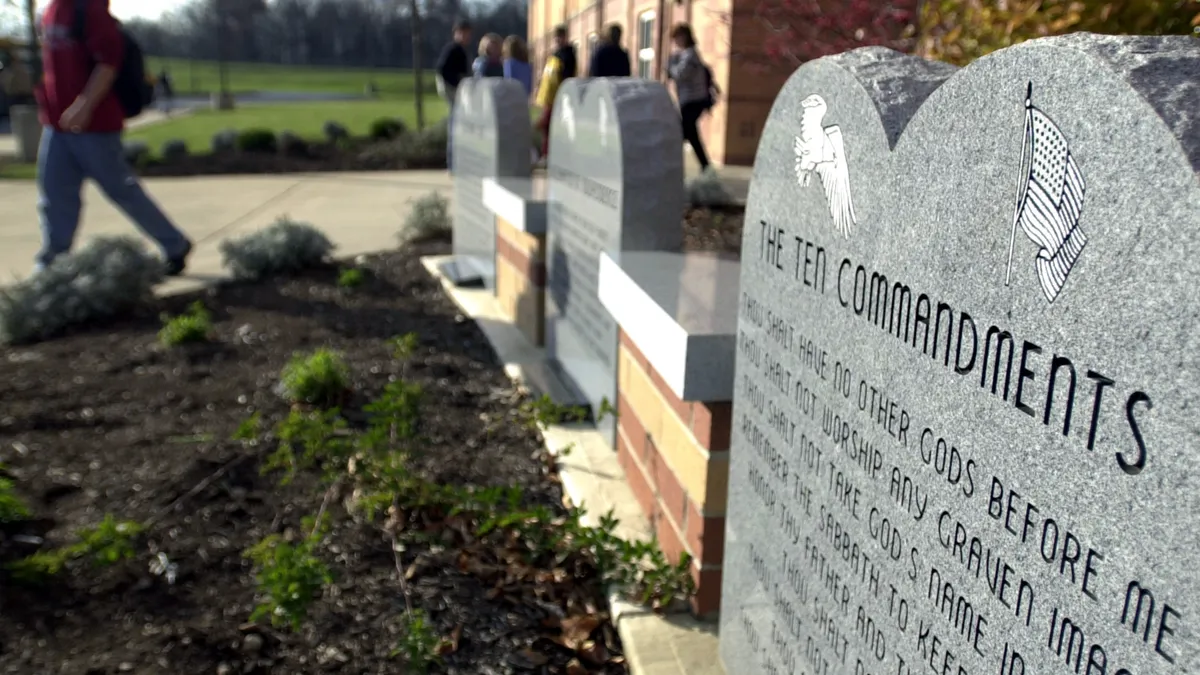
- Moreover, half of Americans are in favor of displaying the Ten Commandments in public school classrooms.
Dive Insight:
The Pew survey findings touch on First Amendment and religious expression policy issues that have wrought controversy in the K-12 sector in recent years.
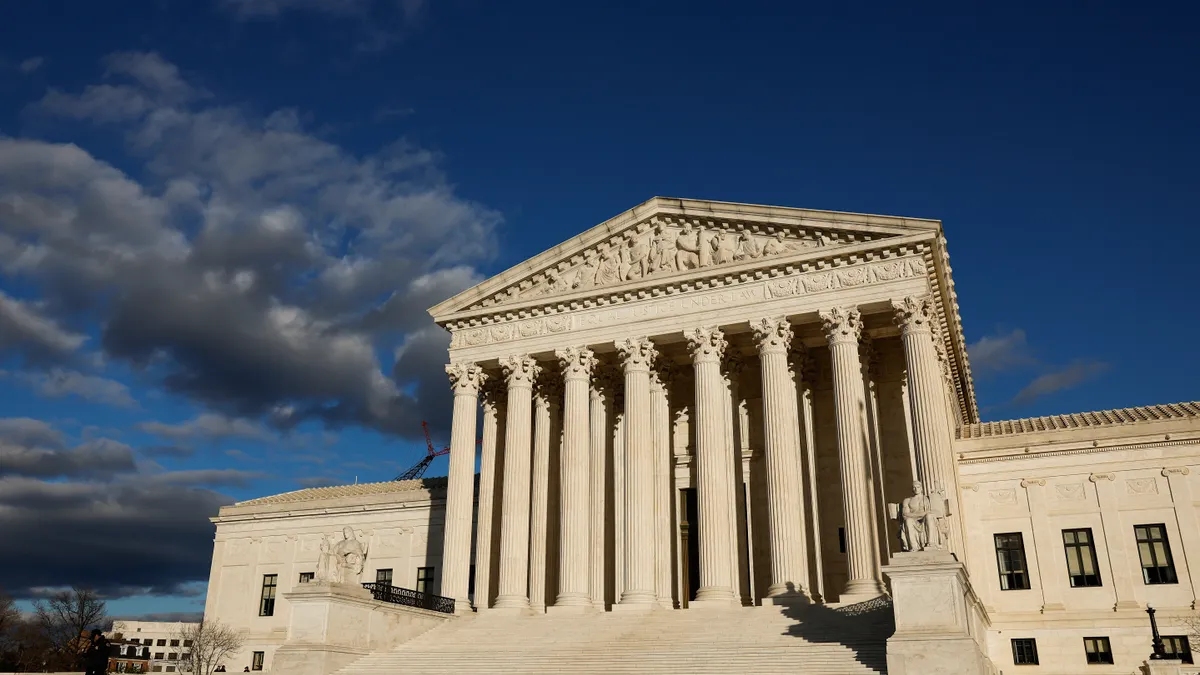
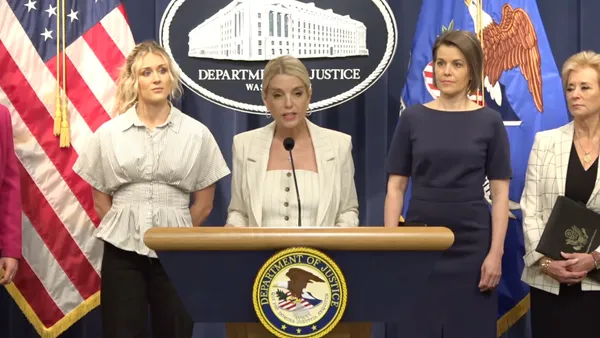
The Supreme Court in 2022 sided with a football coach who occasionally prayed with students on the 50-yard line following football games. The Education Department under the second Trump administration also released guidance in February allowing teachers to pray with students in some cases, like saying grace before lunch.
"In most political, religious and demographic subgroups of the U.S. population, relatively few people say public school teachers should be allowed to lead their classes in prayer and that students should be required to participate," said the Pew Research analysis, written by researcher Chip Rotolo. "The far more common view is that public school teachers should be allowed to lead prayers but that students should not be required to participate."
About 6 in 10 Americans support allowing some form of teacher-led school prayer, but the overwhelming majority of those in favor think students’ participation should be optional.
Most Americans across political party lines and geographic areas of the nation favor allowing public school students to voluntarily pray in student-led groups.
"There’s less consensus on whether coaches should be allowed to lead public school sports teams in prayer, as well as whether the Ten Commandments should be displayed in public school classrooms," the analysis said.
In 2024, Louisiana became the first state to pass a Ten Commandments law requiring displays of the religious text in all publicly funded classrooms. The law spurred other states to follow suit and triggered a cascade of opposition from civil rights groups that filed lawsuits hoping to overturn such policies.
Supporters say the Ten Commandments and other Biblical texts are foundational to the nation's founding and critics of such laws say that they can be coercive.
Outcomes of Ten Commandments lawsuits have been a mixed bag, with the U.S. 5th Circuit Court of Appeals in April allowing such laws in Texas and Louisiana to go through, while a lower court in Arkansas blocked that state’s iteration of such a law for six school districts.
The recent Pew research results show that Americans younger than 50 and Democrats are more likely to oppose Ten Commandment displays and coaches leading their teams in prayer. Americans over 50 and Republicans are much more likely to support allowing such expression.