

Curriculum: Page
-
Schools embrace mindfulness in curricula as students face multiple crises
While some schools can afford full-time mindfulness educators, others are integrating discussions in daily lessons and adopting digital programs.
By Shawna De La Rosa • Nov. 25, 2020 -

 thanyakij, bongkarn. (2019). Retrieved from Pexels.
Helping students develop executive function skills remotely
Educators and parents can support students in strengthening these skills through structured schedules, to-do lists and other tactics, one teacher writes.
By Lauren Barack • Nov. 25, 2020 -
 Explore the Trendline➔
Getty Images
Trendline
Graduation and Career Readiness
The idea of what constitutes postsecondary success has evolved as an expanding array of career education pathways offer more alternatives to traditional degrees.
By K-12 Dive staff -
 Permission granted by Dell Technologies
How to use a workshop model for full lessons, not just individual skills
The learning approach shares many characteristics with project-based learning and gives more hands-on experiences to students, educators say.
By Lauren Barack • Nov. 18, 2020 -
Librarians become go-to resource during school closures
While their roles were evolving even before pandemic, librarians have become a key source of support in navigating learning platforms and finding resources.
By Shawna De La Rosa • Nov. 18, 2020 -
 Getty Images
Deep Dive
4 ways COVID-19 could alter long-term curricular approaches
From the times and places learning occurs to what schools look like, pandemic shifts to education are unlikely to revert, experts say.
By Lauren Barack • Nov. 18, 2020 -
Media literacy, finding common ground key for civics ed
In a politically charged year, San Diego's Francis Parker School had students learn to discuss feelings and check facts rather than debate opposing views.
By Shawna De La Rosa • Nov. 11, 2020 -
Individual conferences can help adjust curriculum to each student's needs
Pairing the meetings with assessment can help teachers uncover learning gaps and allow them to devote more time to each pupil, experts say.
By Lauren Barack • Nov. 11, 2020 -
Getty Images
Q&A
Curricular Counsel: SEL, parent support key to move virtual learning forward
Gwinnett County Public Schools' Clay Hunter says teachers must build trust and culture by understanding students' feelings and burdens.
By Roger Riddell • Nov. 11, 2020 -
 Courtesy of TIAA Bank
TIAA Bank aims to boost financial literacy with K-12 program
The 12-week course runs in more than 100 schools and is focused on teaching critical financial skills through classroom visits and signature events.
By Anna Hrushka • Nov. 4, 2020 -
How can schools translate dyslexia support to remote learning?
Online sensory tools and assistive technology can be used for students with dyslexia needing interventions in virtual environments, experts say.
By Shawna De La Rosa • Nov. 4, 2020 -
High school SEL requires approach geared to teens' changes
Educators can help high school students master social-emotional skills with simple activities throughout the regular curriculum.
By Lauren Barack • Nov. 4, 2020 -
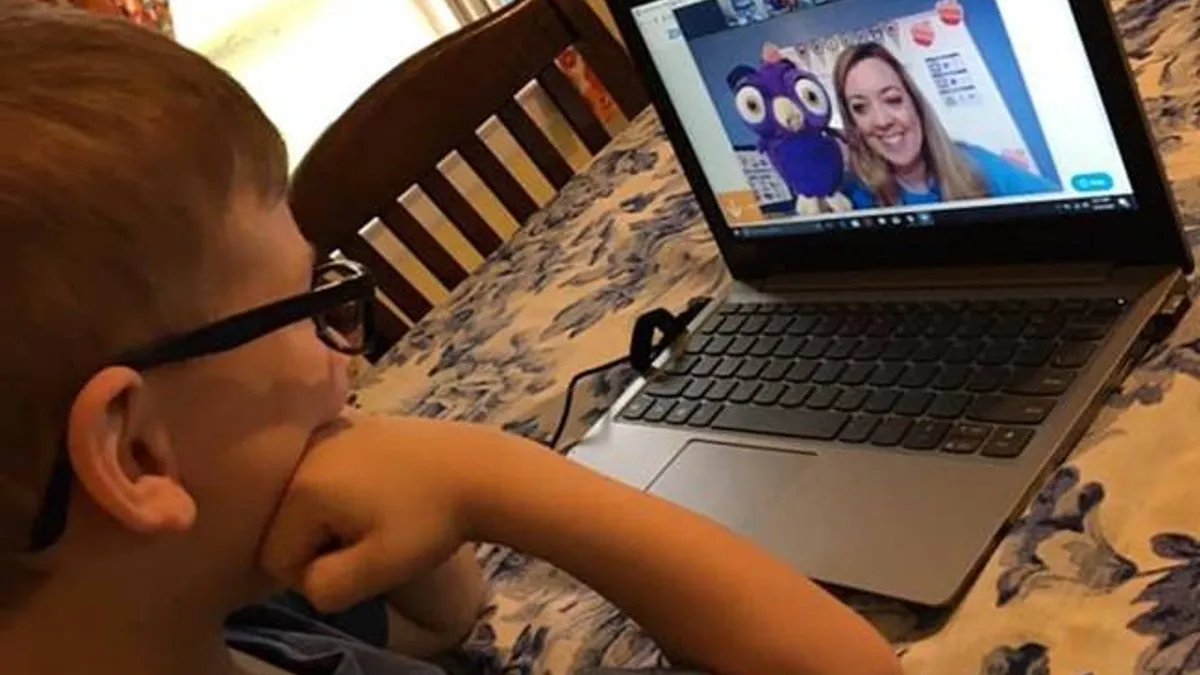 Permission granted by Alabama Department of Early Childhood
Report: Steeper COVID slide expected in math than reading
Progress in math is expected to be only 37% to 50% of the average normal school year gains, according to research from NWEA.
By Shawna De La Rosa • Nov. 3, 2020 -
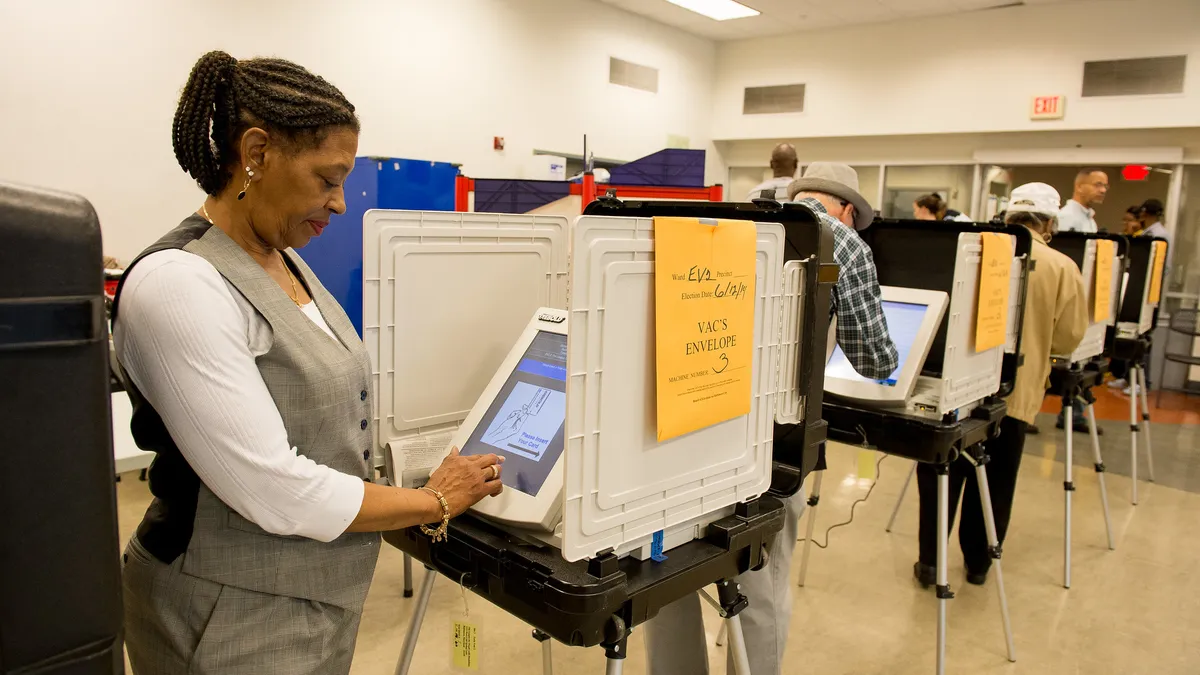
New York high school's nonprofit partnership has students tackle voter engagement
Students in the Global Scholars Program crafted social media challenges and targeted Facebook groups to tackle the real-world challenge.
By Shawna De La Rosa • Oct. 28, 2020 -
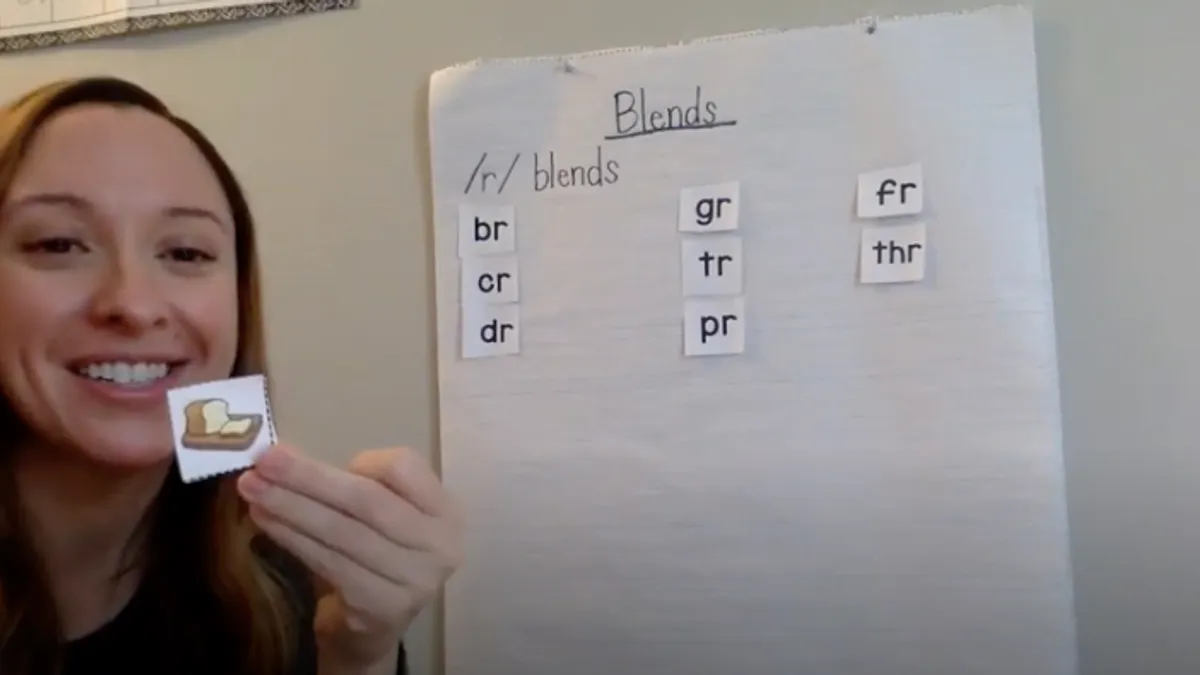 Permission granted by Ashley Jenkins
How are educators keeping young students engaged online?
Physical activity such as nature walks and creating a connection with parents and enlisting their involvement are two keys to success, educators say.
By Lauren Barack • Oct. 28, 2020 -
Flexible backup plans keep online learning going through illness, outages
Planning ahead for the unexpected provides entry points to put students and substitutes at ease in the event of unexpected disruptions.
By Lauren Barack • Oct. 21, 2020 -
College Board adds African diaspora as AP Seminar theme
The move comes as educators seek ways to embed culturally responsive representations of the experiences of people of color in curricula.
By Shawna De La Rosa • Oct. 21, 2020 -
3 COVID-19 education trends set to persist post-pandemic
While the coronavirus has caused hardships, some K-12 practices born from the virus have the potential to enhance outcomes and school operations.
By Kara Arundel • Oct. 19, 2020 -
Deep Dive
4 ways to weave 100 years of women's suffrage into curricula
As November marks the centennial of the 19th Amendment, current events offer learning opportunities ahead of this year's election.
By Lauren Barack • Oct. 14, 2020 -
 Getty Images
Project-based learning can be more engaging, but remote spaces provide challenges
One curriculum designer suggests providing office hours and collaboration rooms are among keys to remote PBL success.
By Lauren Barack • Oct. 14, 2020 -
 Permission granted by Community Consolidated School District 59
Q&A
Curricular Counsel: Collaboration, critical thinking more difficult to build amid COVID-19
Suburban Chicago administrator Maureen McAbee says ongoing PD helps, but balancing foundational skills with "box" curricula remains challenging.
By Roger Riddell • Oct. 14, 2020 -
3 steps for integrating art into other classes
A history teacher outlines ways educators can use art works as a teaching tool for another subject.
By Lauren Barack • Oct. 7, 2020 -
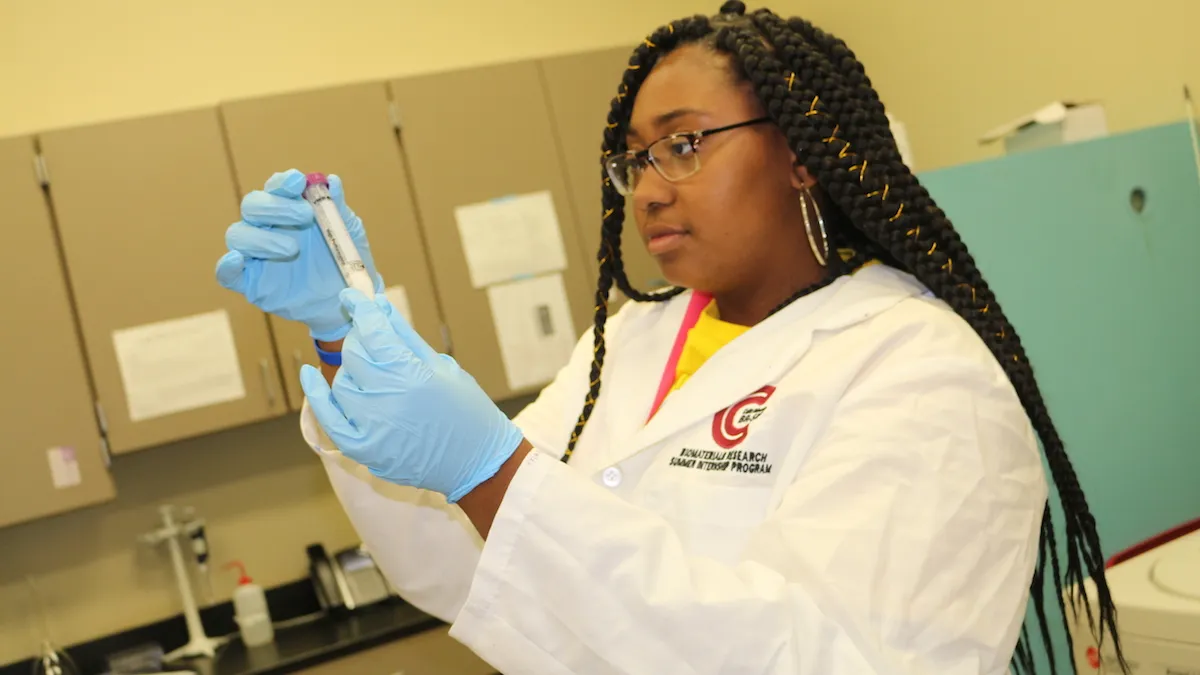 Permission granted by South Carolina Afterschool Alliance
Million Girls Moonshot aims to bring 1M girls into school STEM programs
The effort will pull together tech companies, government organizations and other stakeholders to provide grants, access to resources and STEM mentors.
By Shawna De La Rosa • Oct. 7, 2020 -
State ed chiefs ponder coronavirus-era assessment challenges, solutions
Difficulties in proctoring valid and equitable summative assessments raise the potential for nontraditional approaches to measure learning in 2020-21.
By Kara Arundel • Oct. 6, 2020 -
Leading math instruction with deeper questions can boost student interest
Having students justify their steps helps develop greater conceptual understanding, a 9th-grade teacher writes.
By Shawna De La Rosa • Sept. 30, 2020 -
Higher ed partnerships expand high school curricular horizons
High school and college partnerships help students learn about next steps after graduating and provide guidance on higher ed success.
By Lauren Barack • Sept. 30, 2020
 Previous

