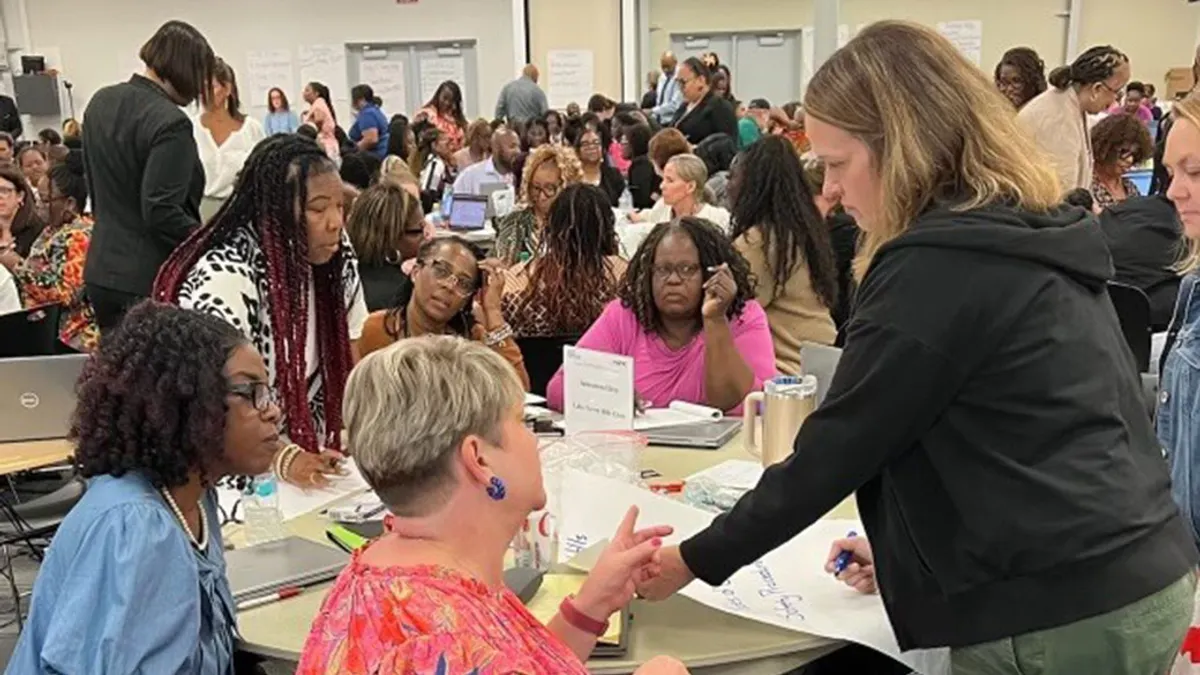

Richmond County Schools shows what can happen when strategic planning brings everyone to the table. By grounding decisions in real stakeholder voices and clear priorities, the district created a shared roadmap that’s already building momentum—and proving how powerful aligned, student‑centered planning can be.
Across the country, school systems are working to align vision with measurable improvement, yet even the most polished strategic plans can fall short without a coherent, inclusive process. In my work facilitating professional learning and strategic planning, I have seen how bringing multiple stakeholder voices to the table can transform planning from a compliance exercise into a catalyst for meaningful change.
Richmond County Schools in Georgia offers a compelling example. Seeking a long‑range, districtwide improvement plan that would also guide principals’ annual planning, system leaders engaged in a comprehensive, data‑driven process. Our team conducted focus groups with district leaders, principals, teachers, students and parents—ensuring that the lived experiences of those closest to the work shaped the district’s direction. According to district leaders, some of the most valuable feedback about the process centered on the deliberate inclusion of diverse stakeholder voices and the cohesion it created across divisions, departments and schools.
Through structured data analysis and exploration of emerging trends affecting teaching and learning, the strategic planning committee identified four priority areas essential to the district’s future success: Student Achievement, Stakeholder Engagement and Communication, Talent Development and Safe and Secure Learning Environments. The committee then defined the initiatives and measures needed to advance these priorities and developed clear action steps, responsibilities, resource needs and timelines.
Now in the first year of implementation, district leaders are monitoring progress quarterly with guidance on maintaining fidelity to the process. At year’s end, each theme committee will evaluate progress on both the district improvement plan and the schools’ annual improvement plans to determine key initiatives for year two.
Richmond County’s experience reinforces a central truth: strategic planning is most effective when it is participatory, transparent and tied to coherent action. When systems elevate stakeholder voices and align improvement efforts across every level, they position themselves—and their students—for sustained success.




 Dive Awards