This audio is auto-generated. Please let us know if you have feedback.
Most clicked story of the week:
School shootings fell to their lowest number in five years in 2025, ending the year with 233 recorded incidents at elementary and secondary private and public schools, according to the K-12 School Shooting Database. The tracker defines school shootings as any time a gun is fired or brandished with intent or when a bullet hits school property, regardless of the number of victims, time, day or reason.
Number of the week:
18
The number of new Title IX investigations launched by the U.S. Department of Education over state and local school system policies that allow transgender students to play on sports teams aligning with their gender identity. The Jan. 14 announcement of the 18 investigations came just a day after the U.S. Supreme Court heard arguments in a case that could decide the future of transgender student athletes’ participation on sports teams.
K-12 policy debates take center stage
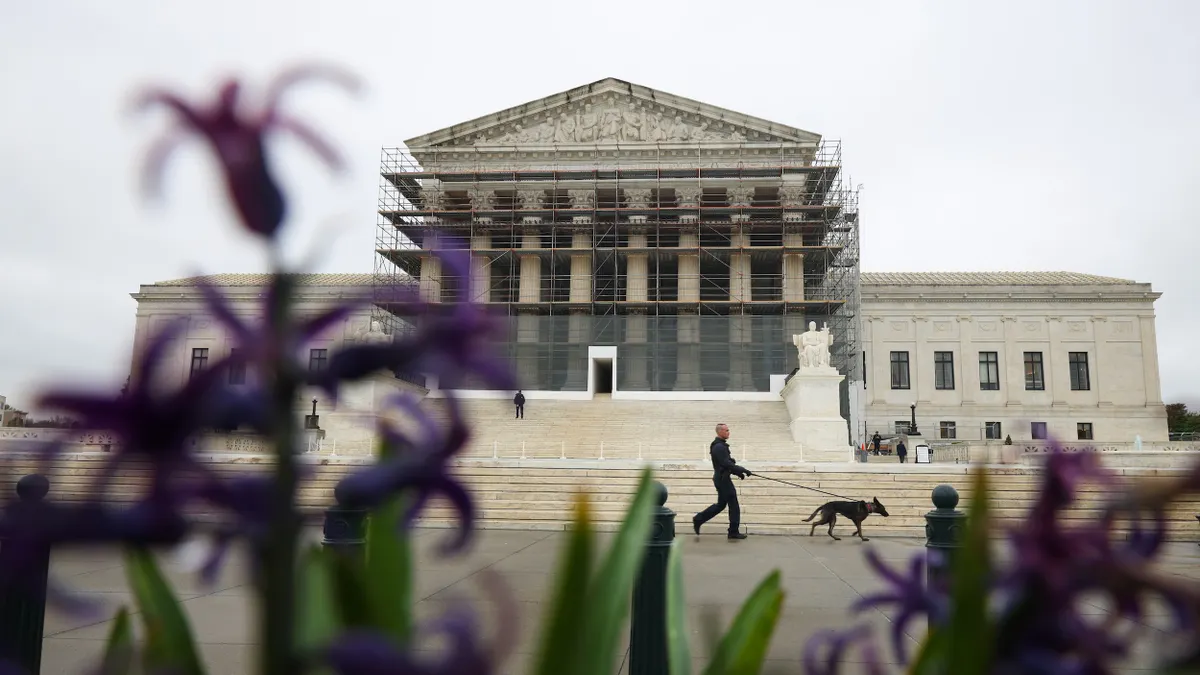
- Supreme Court justices seemed torn Jan. 13 on how to settle the controversial question of whether states can ban transgender students from playing on sports teams aligned with their gender identity. They also debated how to account for a student’s age and any hormone therapy or puberty blockers they may be taking. “I don’t think you’re a Ph.D. in this stuff, and neither am I,” Justice Brett Kavanaugh told a U.S. Department of Justice attorney during oral arguments in West Virginia v. B.P.J and Little v. Hecox.
- Senators stressed the need for federal solutions to address a youth mental health crisis tied to social media and technology use during a Jan. 15 hearing held by the Senate Committee on Commerce, Science and Transportation. Proposed solutions from senators and witnesses spanned from completely ditching 1:1 devices and ed tech in schools to banning young children and teens from going on social media altogether.
- House lawmakers shared bipartisan concerns over the risks of students using artificial intelligence — from overreliance on the tech to student data security — during a House Committee on Education and Workforce hearing on Jan. 14. Democrats at the hearing said more guardrails are necessary, but cited Trump administration efforts that have made adding those more difficult. Republicans cautioned against rushing new AI regulations to make sure innovation in education and the workforce isn’t hindered.
School culture solutions in the spotlight
- Positive school climate factors are strongly related to better school attendance — especially after the COVID-19 pandemic, according to a study released Jan. 13 by the University of Chicago Consortium on School Research. Among those factors: safety, good relationships with peers and teachers, and parent engagement. The study examined administrative records from Chicago Public Schools students in grades 6-11.
- Only 41% of teens support cellphone bans in middle and high school classrooms, according to Pew Research Center data released Jan. 13. That contrasts with 74% of surveyed adults who are supportive of similar prohibitions, earlier Pew research found. In separate research by Rand Corp. last year, school principals touted benefits of school cellphone restrictions, including improved school climate and reduced cyberbullying.