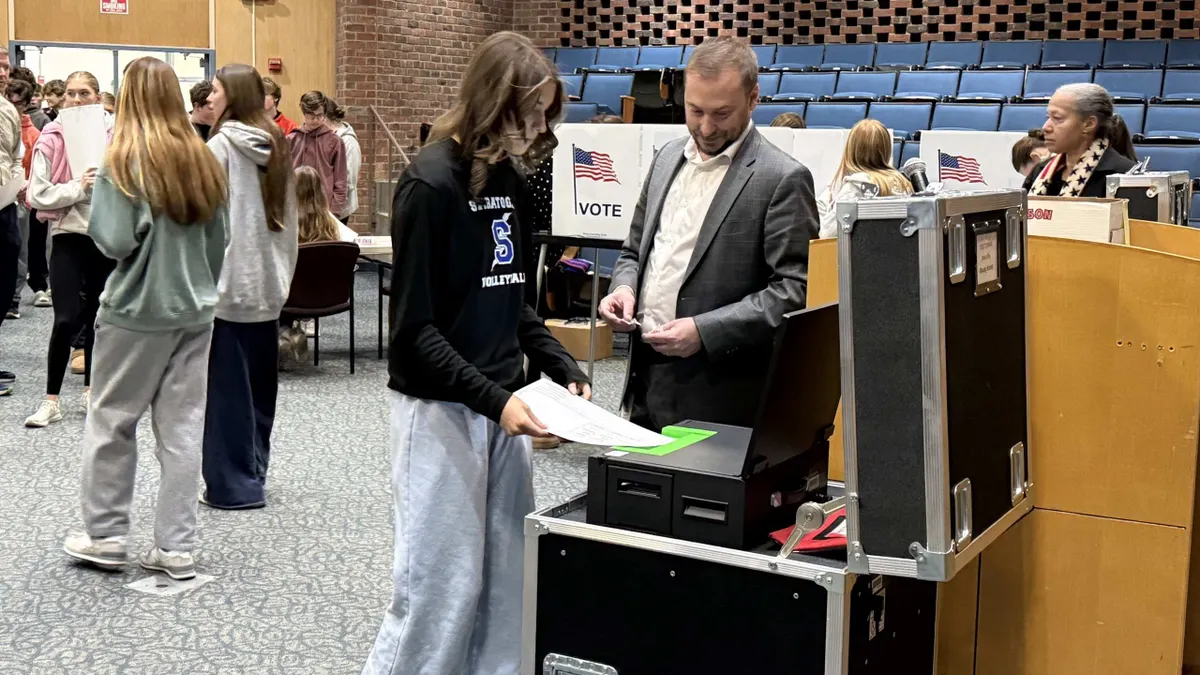
PITTSBURGH — Saratoga Springs High School in New York gives its roughly 1,900 students a unique opportunity to decide how to spend $25,000 in district funds to improve their school by letting them participate in a campaigning and voting process.
The idea came about after Joseph Greco, director of personnel development at Saratoga Springs City School District, said he realized that students and local adults alike struggled to understand how capital project funding worked — especially when the district was facing a “lean” budget season. Greco was previously a school business official with the district before entering his current role.
Additionally, he said, students were vandalizing school facilities, which signaled a lack of pride or ownership in their school system. Greco also noted a lack of real-life voter participation from age-eligible students, who he said were nervous to cast a ballot because they were unfamiliar with the process.
Meanwhile, district curriculum leaders and teachers wanted students to develop skills to be effective communicators and global citizens as called for by New York’s portrait of a graduate, Greco said.
“So we partner[ed] together on connecting school finance to authentic civic learning,” Greco said. “So this is kind of checking some multiple boxes here: building transparency, trust and ownership.”
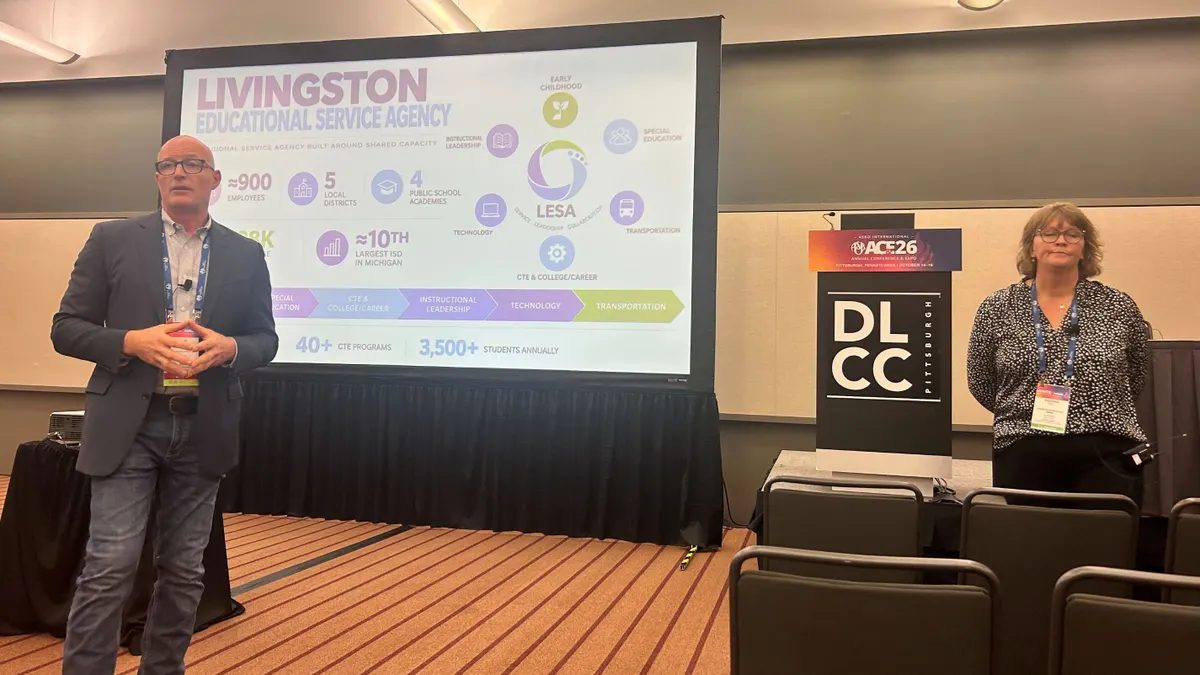
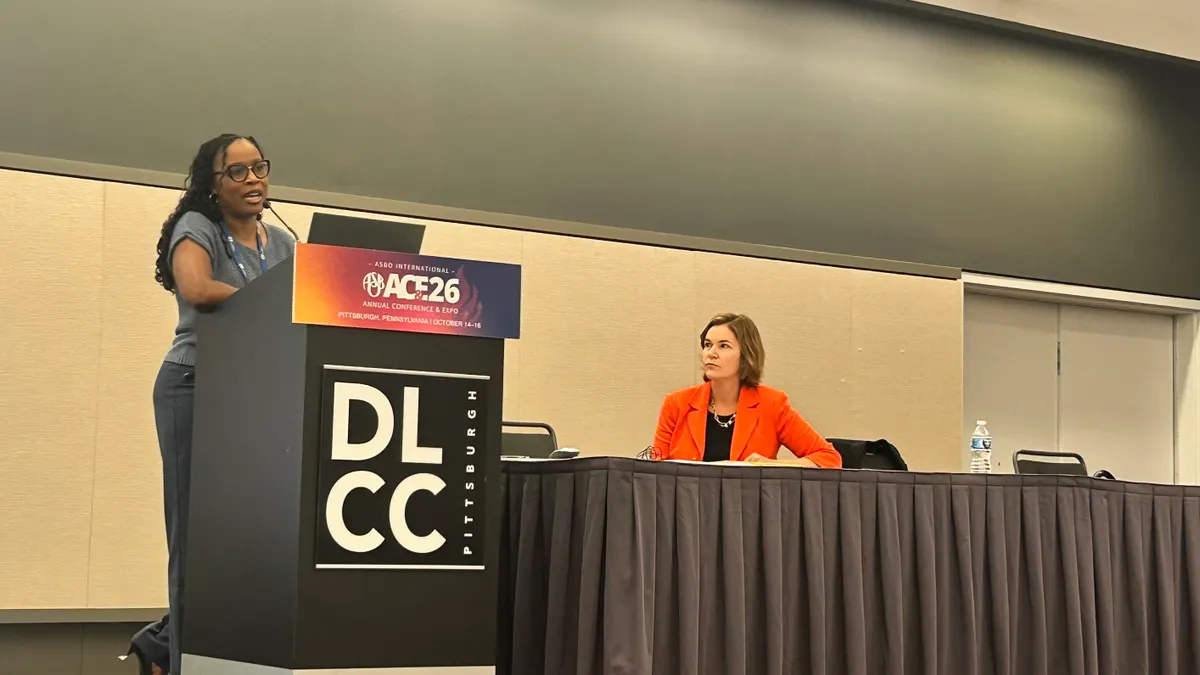
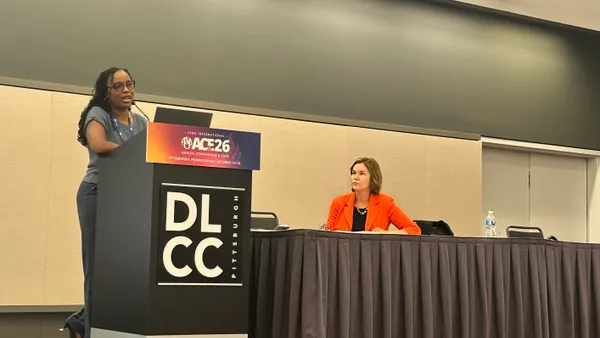
Greco shared more about how the district implemented this program at the high school during a Wednesday presentation at the Association of School Business Officials International’s 2026 Annual Conference & Expo in Pittsburgh.
How students voted to use $25,000 in district funds
A key part of the initiative is that students were involved throughout this participatory budget process, Greco said.
The initiative began in September 2025 with the recruitment of students to lead a committee, followed by a student survey of the entire student body to gather ideas for how they’d like to see the $25,000 spent. From there, the student committee helped consolidate and narrow down those ideas in November before meeting with district leaders in December to understand how feasible those ideas are.
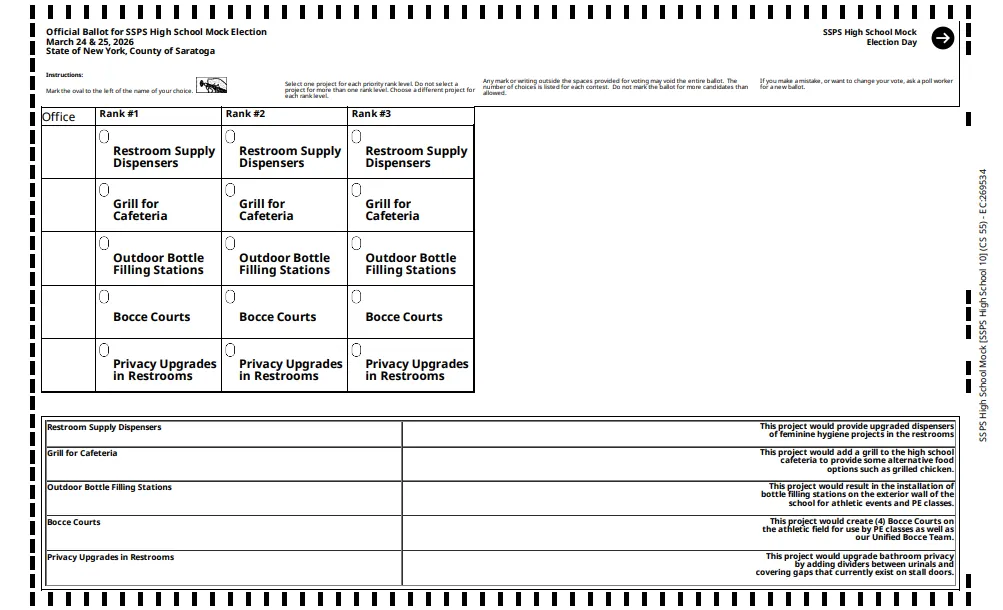
After that process, an official ballot was created in January, and students campaigned in February on the top five school improvement projects they’d like to spend the $25,000 on.
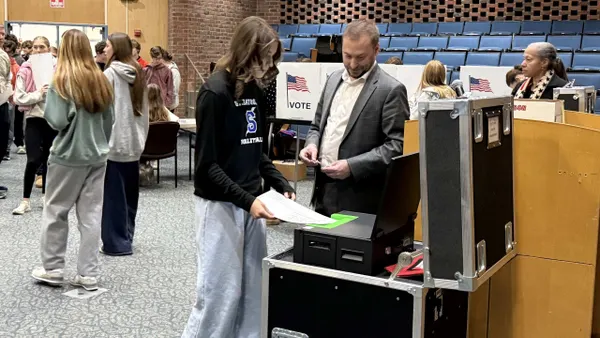
In March, the entire student body weighed in using official voting machines to cast their ballots through a ranked voting system. The winning vote was then implemented between April and June, Greco said.
All students in grades 9-12 were eligible to vote on the proposals and did so during their social studies class blocks, he said.
The five improvement projects students had to choose between were: creating bocce courts, buying a grill for the school cafeteria, providing upgraded feminine hygiene products in bathrooms, improving bathroom privacy through facility upgrades, and purchasing new outdoor water bottle dispensers.
The new cafeteria grill was approved by the student body, Greco said, and students were so excited about the outcome that they held a ribbon-cutting ceremony for the new grill and provided free samples of grilled chicken.
“It’s a grill, but they still wanted to have a ribbon cutting because they were super excited, because it was their idea,” Greco said, adding that students invited district administrators, local politicians and members of the local chamber of commerce to attend the event.
After the first year of this student budgetary process, Greco said, students now felt more engaged in the voting process, because they got to use official voting machines with volunteer poll workers in their school auditorium.
Before this initiative began, Greco said students “didn't have ownership over the stuff in their building, and they were registering to vote, but they didn't know how to vote, and they weren't participating.” But now, students were “engaging in a huge buildingwide process, and they were seeing that their voice had meaning.”
Greco said that after the district purchased and installed the new grill, there were still some remaining funds from the $25,000 balance to pay for bathroom privacy upgrades, which was the second-most popular proposal that students voted on.
Though there wasn’t any additional funding to cover the cost of new bocce courts, he said, the district’s facilities team changed their budget to install the courts after talking with students who wanted them.
How other districts can replicate this program
For school leaders looking to launch a similar budgetary process with their students, Greco recommends they secure funds for the initiative before getting students involved. The allocated funds for this program should also be enough to get students excited and involved.
Otherwise, if the amount of funding comes up short for small-scale student capital project proposals, Greco said, “it may lead to disappointment in the process and low participation.”
Saratoga City School District carved out money from its general fund for the initiative, Greco said. While other districts could consider funding a similar project using grants or private donations, Greco urged caution on those types of funding streams, because they can be more unstable.
To get a school board, superintendent and local community to approve of this district budget line item, Greco said school finance officers can say the project will help boost student voice and choice in how district funds are used. On top of that, a student budgetary process is a strong return on investment given that it’s improving student involvement in school and community issues, he said.
“So, for a very small amount of money, you're getting a lot of that additional curricular pieces of that civic readiness of the global citizen,” Greco said.
Greco also suggested that schools look for two teacher advisors to help keep students on schedule and facilitate the process, and there should be an additional stipend to pay for the club advisor positions.
If possible, he said, schools should try to recreate a legitimate ballot to help students have an authentic voting experience. That should include considering an additional cost for the project when printing ballots, securing machines and finding poll workers from the local government.