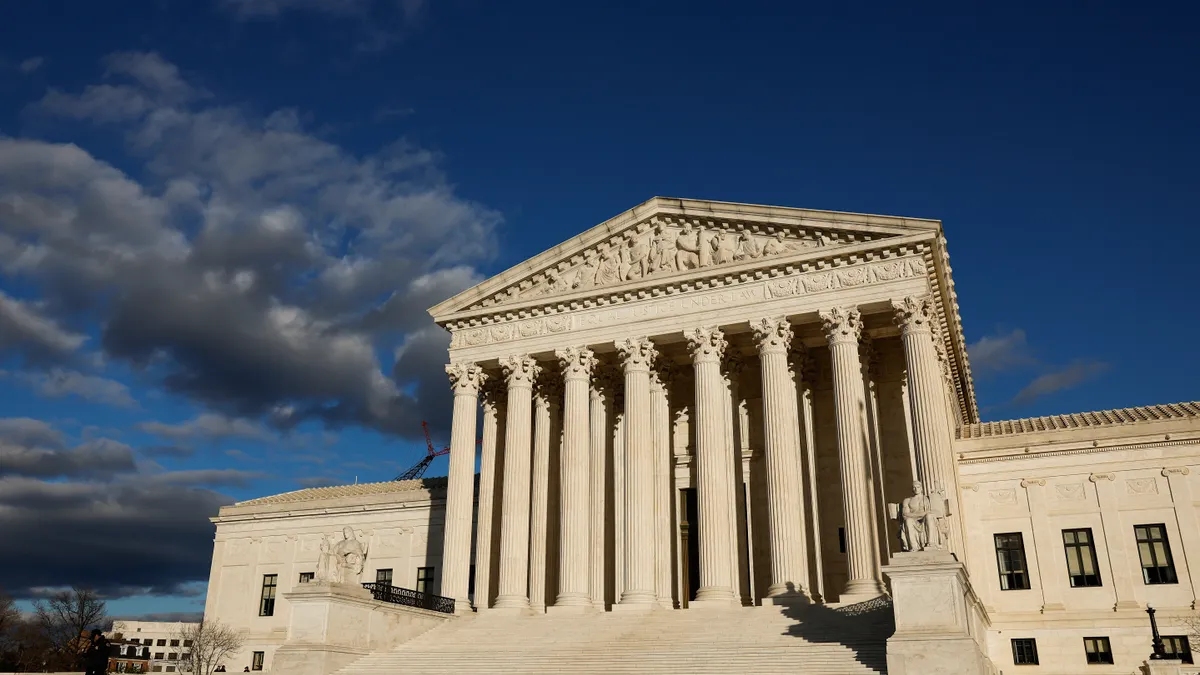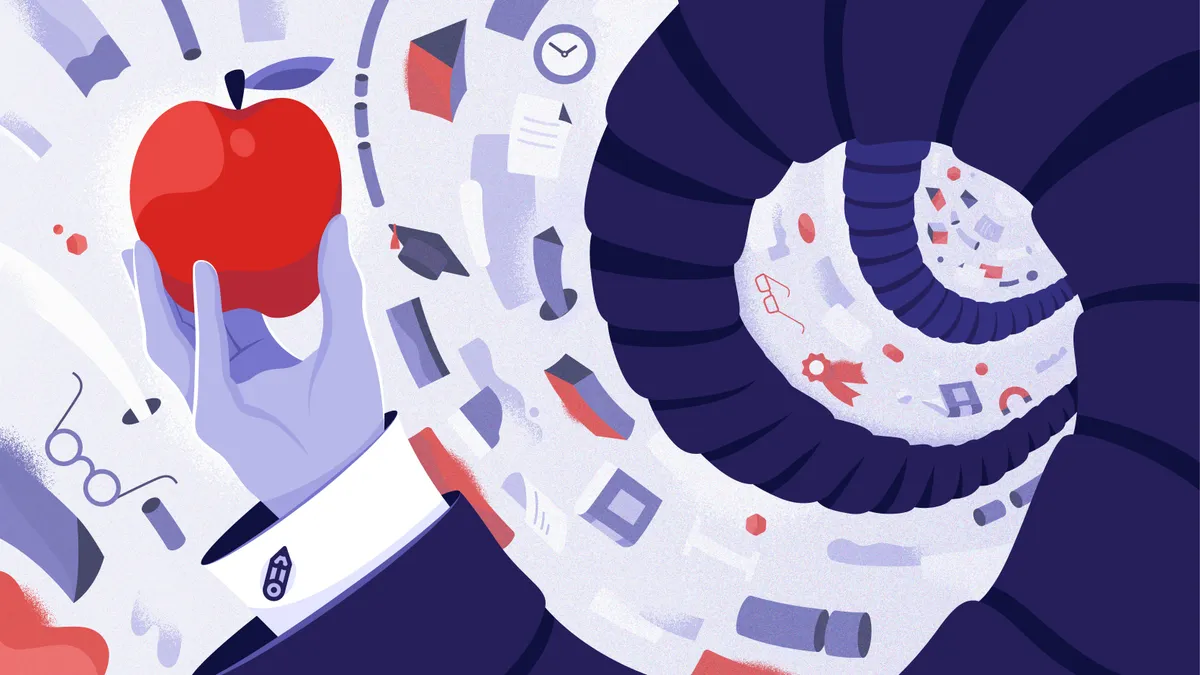
Several Republican senators called for the national school choice debate to focus less on pitting public and private schools against each other and more on the best educational experiences for each student during a Wednesday hearing.
"When you empower parents with choice, they choose the educational system that's best for them, but that prompts lower-performing schools to improve, and healthy competition drives results. It is a win-win," said Sen. Bill Cassidy, R-La., chair of the Health, Education, Labor and Pensions Committee.
Sen. Bernie Sanders, I-Vt., however, said private school choice programs that provide taxpayer funding for private school tuition create a two-tiered school system — one for "wealthy and well-connected" students, and another for "severely underfunded and under-resourced public schools for low-income, disabled and working-class kids."
The discussion was held during National School Choice Week and as the federal government prepares to launch the Education Freedom Tax Credit, a nationally available private school choice program, in 2027. On Tuesday, the U.S. departments of Education and Treasury released a fact sheet on the program.
The fact sheet emphasized that the program encourages voluntary charitable giving from U.S. taxpayers to support education and does not divert public money from local or state taxes that support public school funding. Money generated by the donations could be used by eligible students for a broad set of expenses for any K-12 public, private or charter school, the fact sheet said.
But a report released Tuesday by Sanders, who is ranking member of the HELP committee, criticized the program that is estimated to raise $51 billion annually for private school tuition. The report said that without federal requirements or oversight, private schools would be able to pick and choose which students to enroll and deny admission to the highest-need students, including those with disabilities.
The Treasury Department and the Internal Revenue Service are currently drafting proposed rules for the program.
"Bottom line, in my view, we should be strengthening and expanding public education, the foundation of American democracy, where Black and White and Latino, rich and poor kids come together in one room" rather than privatizing public education, Sanders said.
The hearing also offered insights by other lawmakers and witnesses into state-led private school choice programs.
John Kirtley, chair of Step Up for Students, a nonprofit scholarship-granting organization in Florida, shared how the expansion of school choice programs, including education savings accounts, in the state has benefited public school systems.
"Public school districts are recognizing that they have products and services that scholarship families want to buy," Kirtley said. Those services include in-person or online classes and access to clubs and activities, he said.
This, Kirtley said, is a "perfect example of the blending" of public and private school options and "how we're getting away from the ‘us versus them’" mindset.
But in Arizona, the expansion of universal private school choice in 2022 and its harms on the public school systems is a "cautionary tale," said Marisol Garcia, president of the Arizona Education Association, a teachers union.
She cited a report from Rand Corp. last year that found the state's education savings account program represented 10% of the Arizona Department of Education’s budget in 2025 — rising from $2.2 million for the 2011-12 school year to $886 million for 2024-25. As a result, public schools have laid off staff and closed schools, Garcia said.
"Vouchers have become an excuse to avoid investing in our public schools," said Garcia, an 8th grade social studies teacher in Phoenix.
She said some of the money from ESAs has gone toward ski lift tickets and trips to theme parks, while her last field trip with her students was taking a public bus to visit an area library.
Public school parents and educators are "holding on as tight as we can to make things best for every student that walks through our doors,” Garcia said. “But right now, when you hear of students going on these fantastic voyages and resources, it is two different experiences for students.”