In 2025, K-12 Dive’s conversations with school and district leaders covered best practices, challenges overcome and lessons learned on a variety of topics, from providing remediation to students to engaging with school communities. As 2026 gets underway, we’re taking a look back at those conversations to spotlight five key takeaways that offer guidance and insight as you enter the second half of the school year.
Keep an ear out for the voices that aren’t always heard
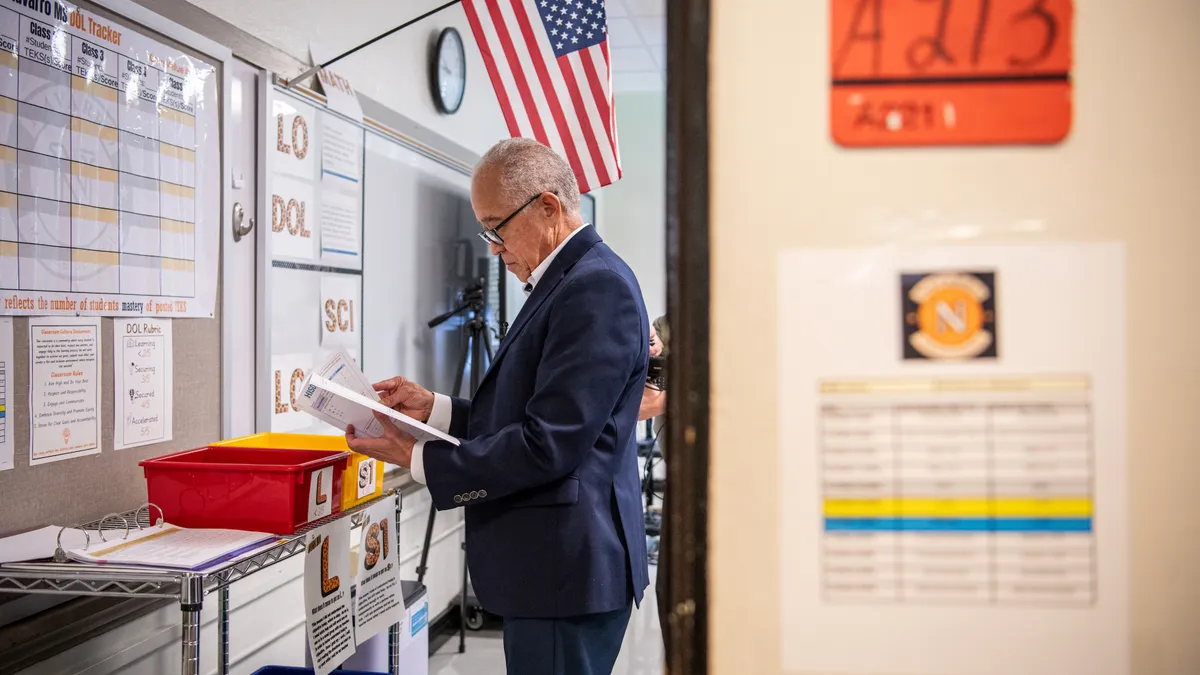
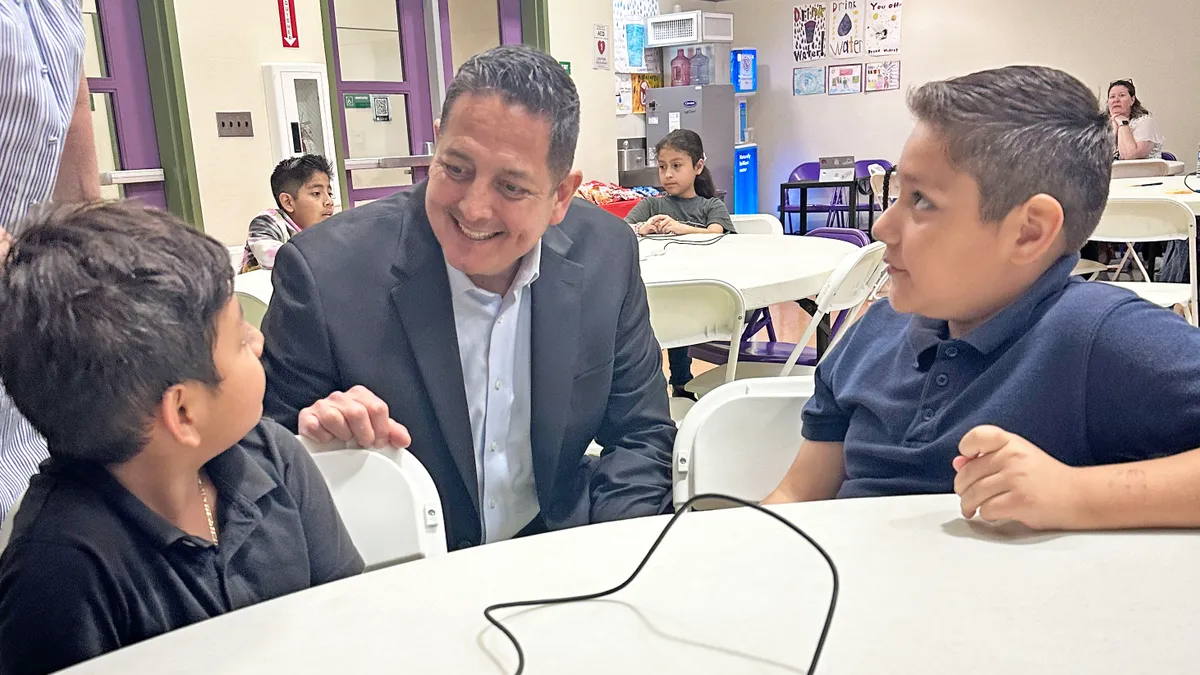
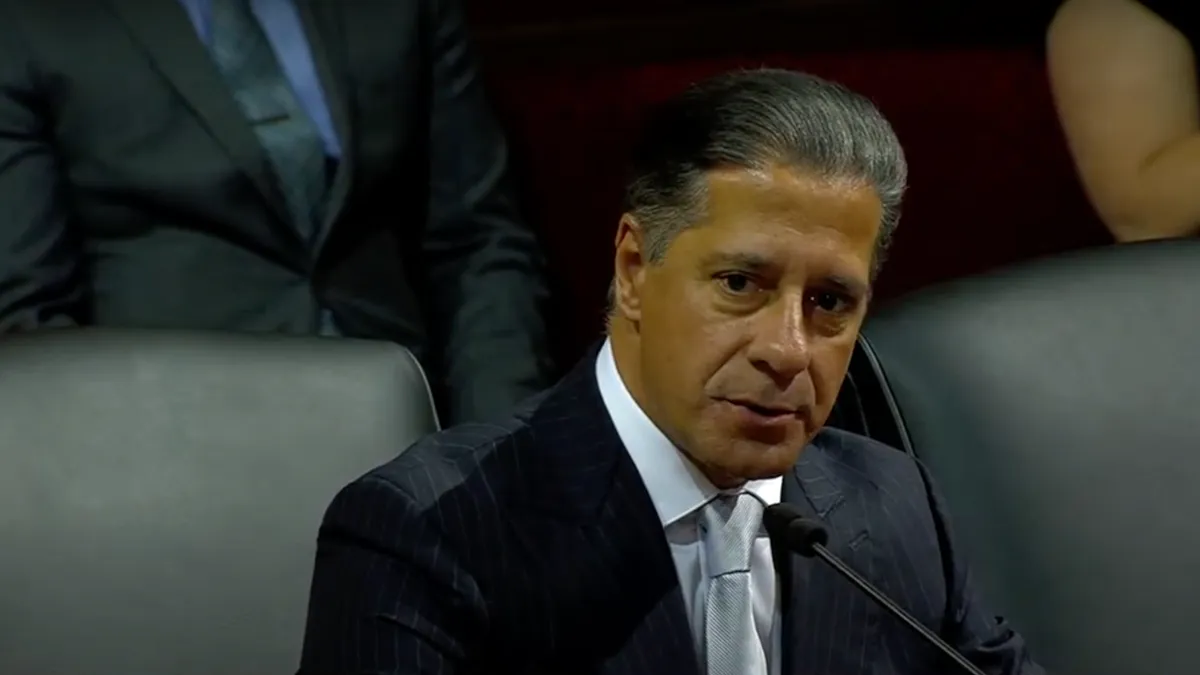
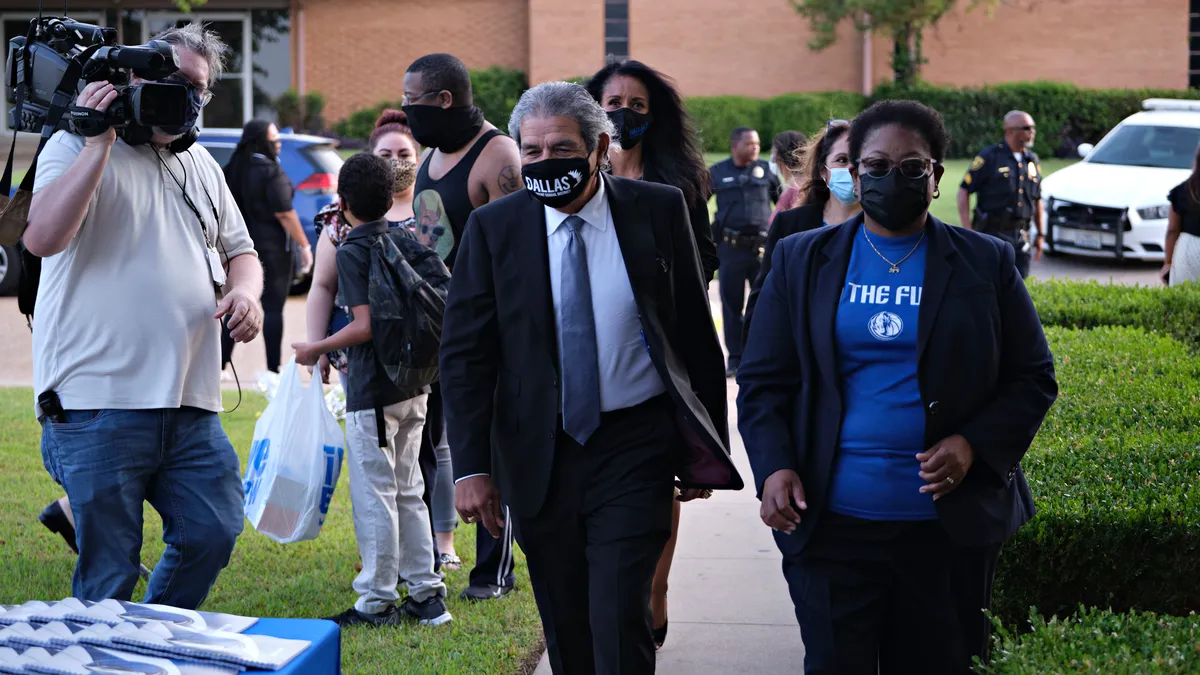
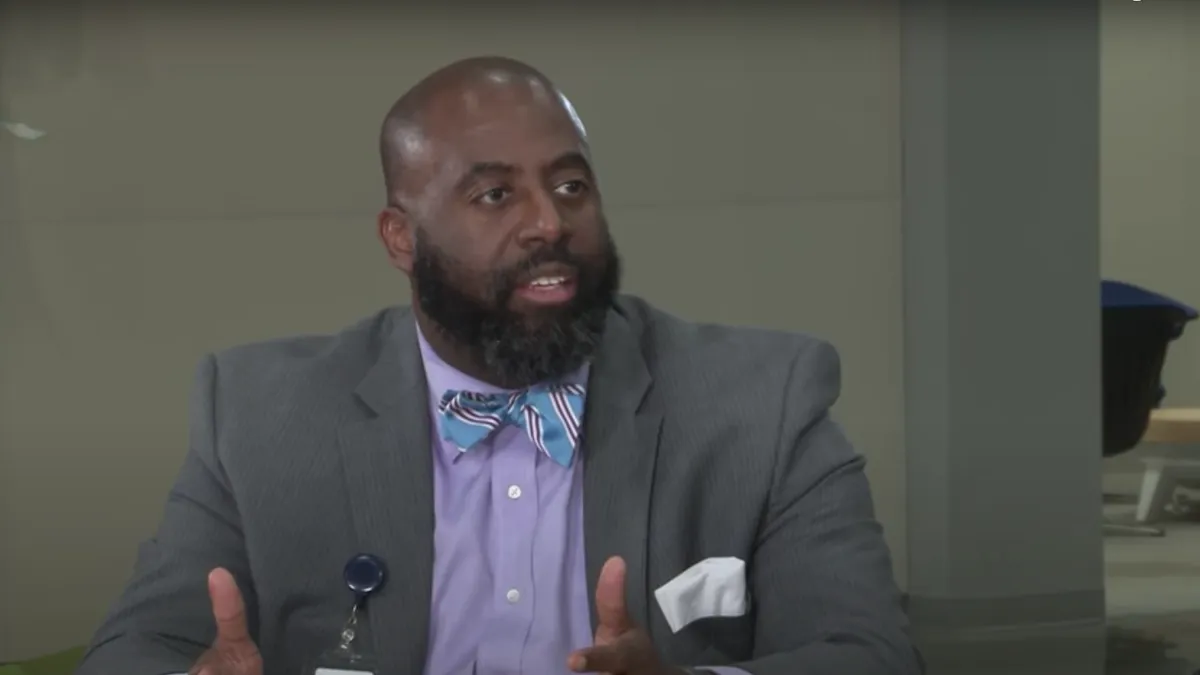
“I am responsive to the community I’m serving, a true public servant. And in our community here, the historically marginalized populations are sometimes not invited and, in certain cases, are just simply invisible. What I try to do … is not to put them to the side — because that would be inappropriate as well — but I hear them loud and clear.
“I’m concerned about the community member who may not be the fifth-generation Coloradan but is in Colorado because they migrated here. I’m concerned about those who have a different way of seeing education. The cultural component plays a major part.
“There’s certain cultures where they don’t feel like they should say what the school system should do, because where they’re from, the school system is usually right and ‘Who are they to impose their thoughts?’ How can I empower them to say, ‘That’s not how we function here?’ That’s the hardest part.”
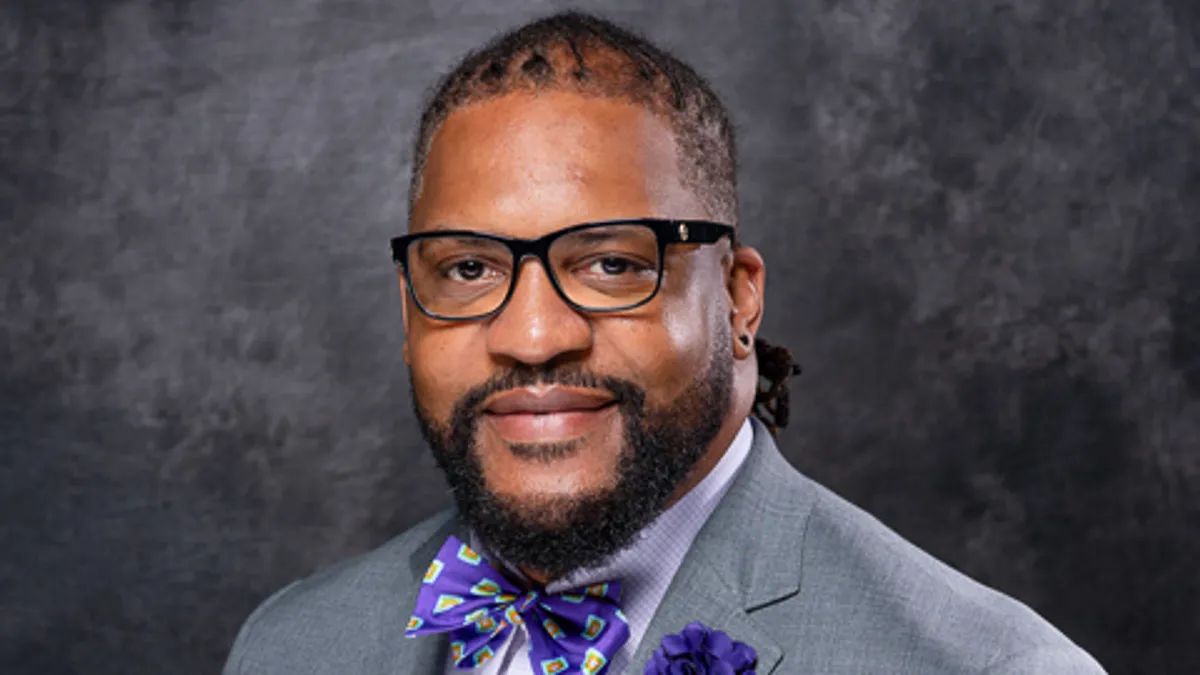
- Alex Marrero, superintendent of Denver Public Schools in Denver, Colorado
Remediation doesn’t have to feel like ‘baby work’
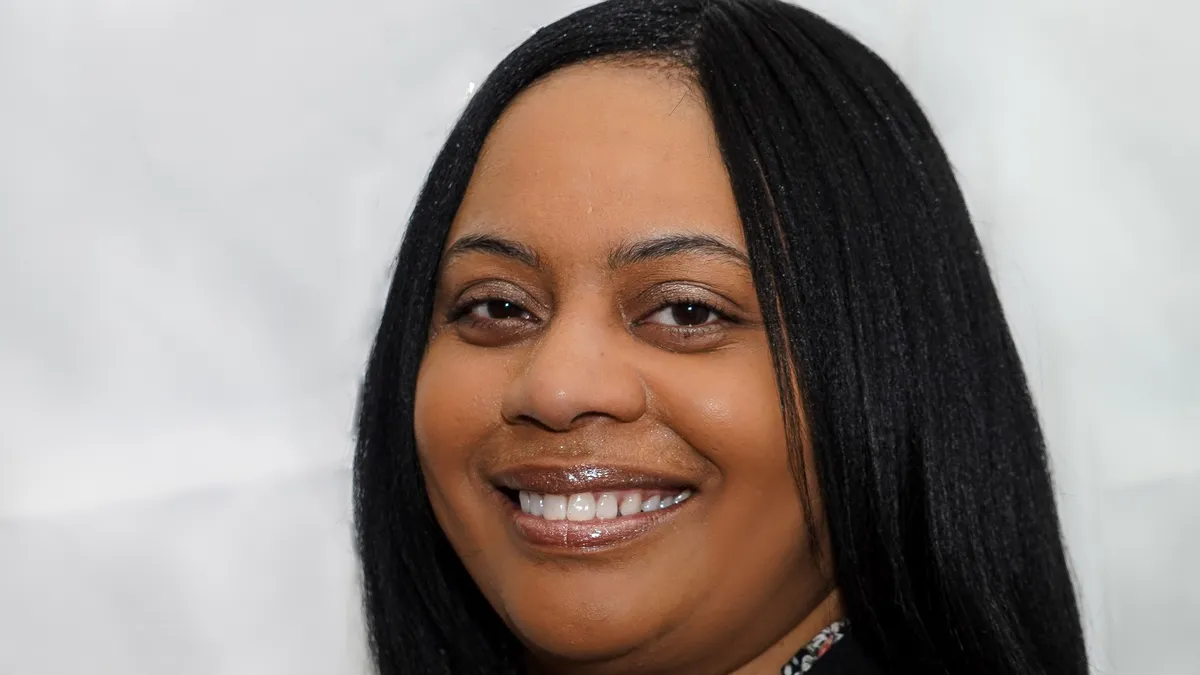
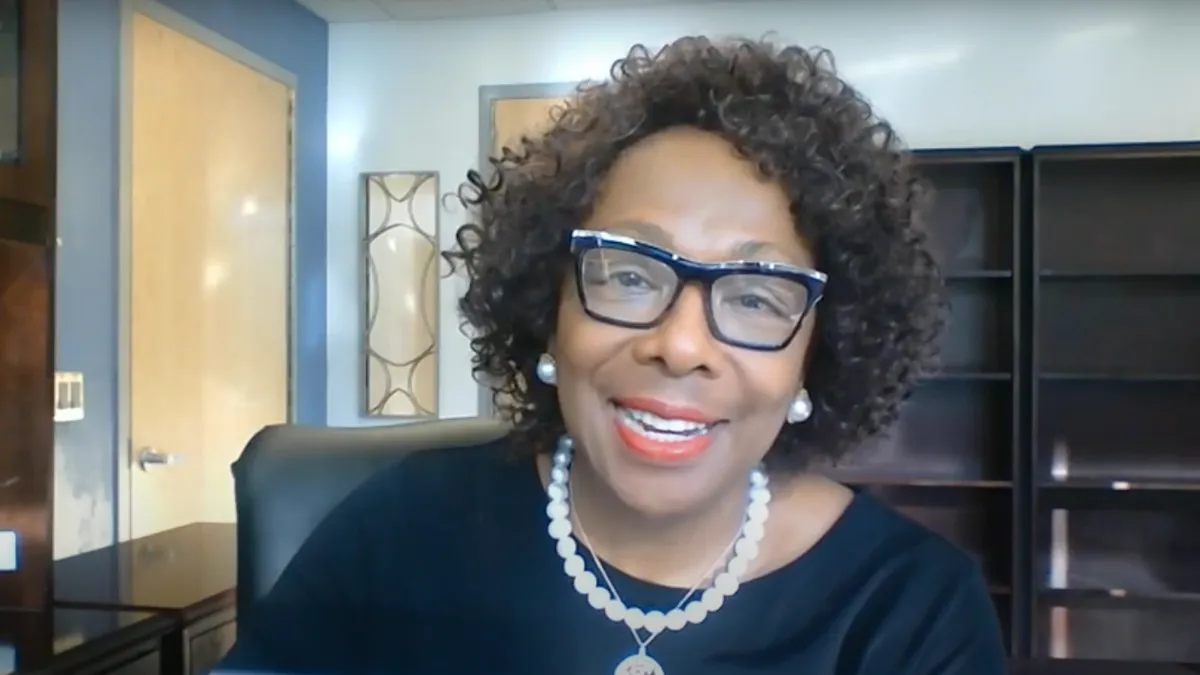
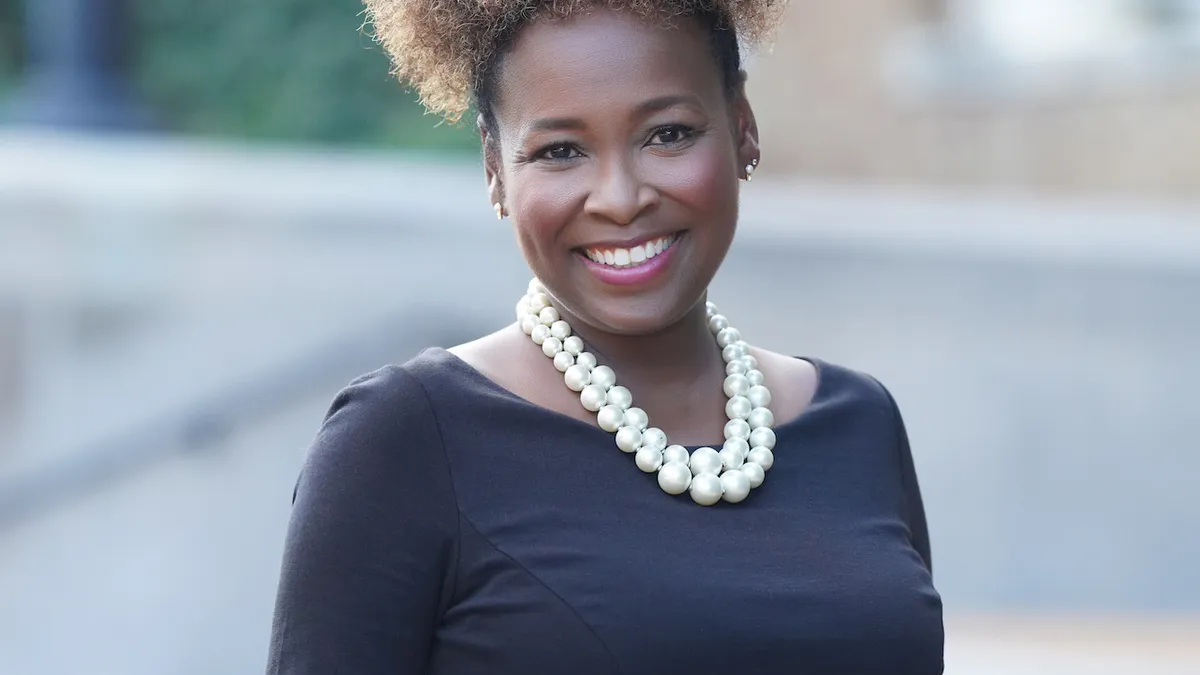
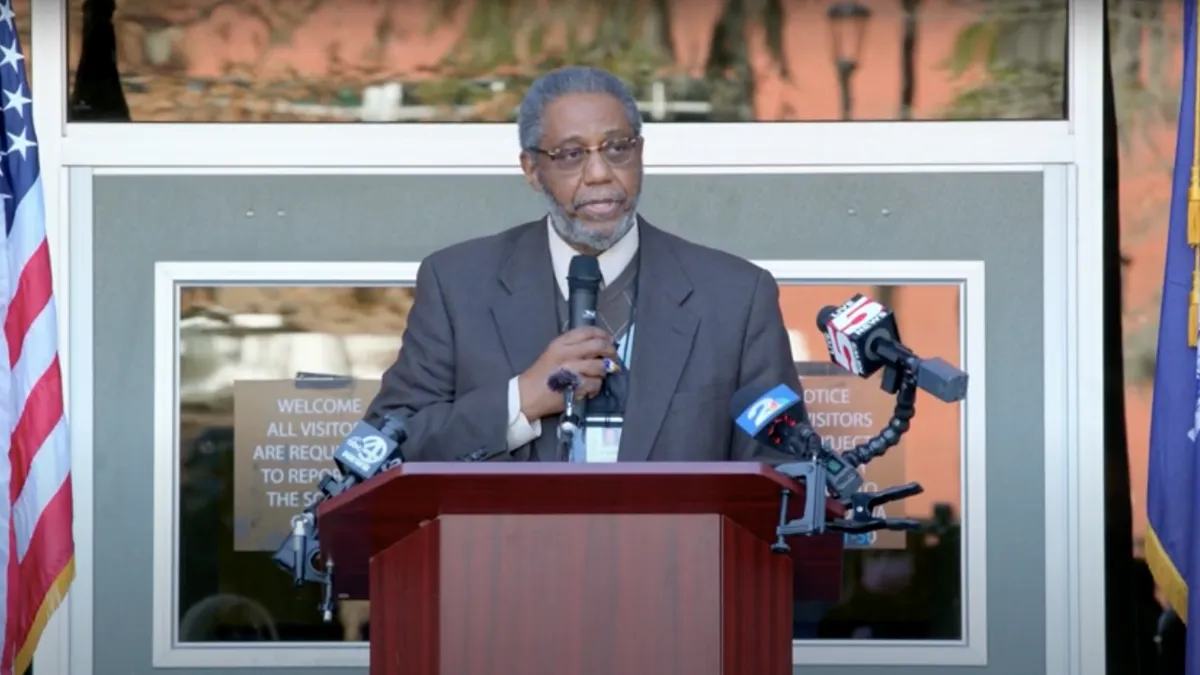
“Sometimes, people think middle school students will feel embarrassed that they are lacking in some skills. And you do have some students that do feel that way.
“We find that sometimes students have behavior issues, and when you get to the root of what the behavior issues are, it’s because they have difficulty reading, and they don’t want other students to know, so they act out.
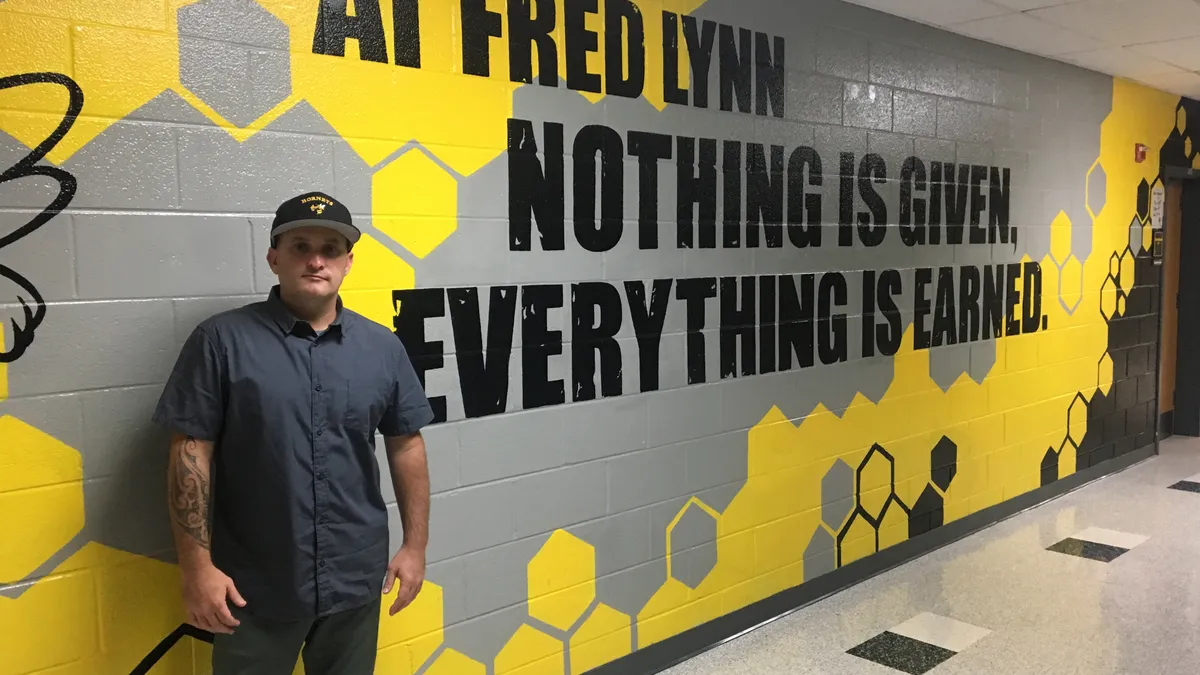
“We started talking to students about, ‘We want to help you with your reading, and these are the ways that we’re going to do it.’ I had a teacher here who was able to reach the students in a way that didn’t make it feel like it was baby work. We presented them with things that were on their level, but helped them understand that this was going to make them better readers, and they actually gravitated toward it, and they appreciated it.”
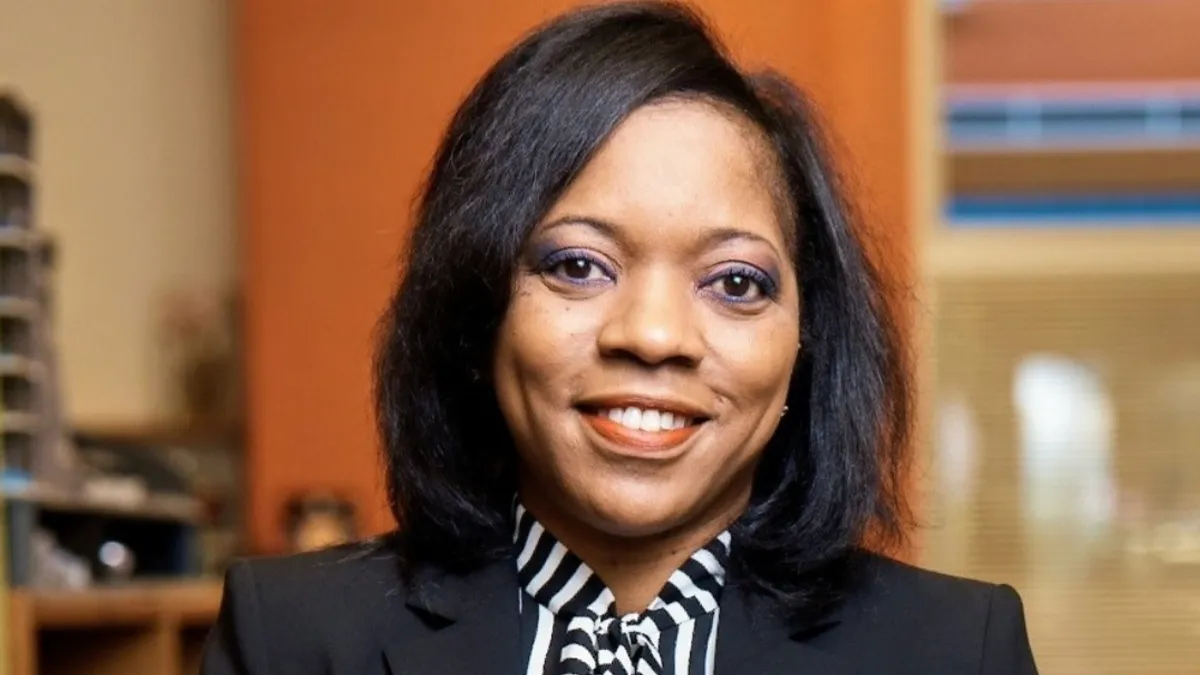
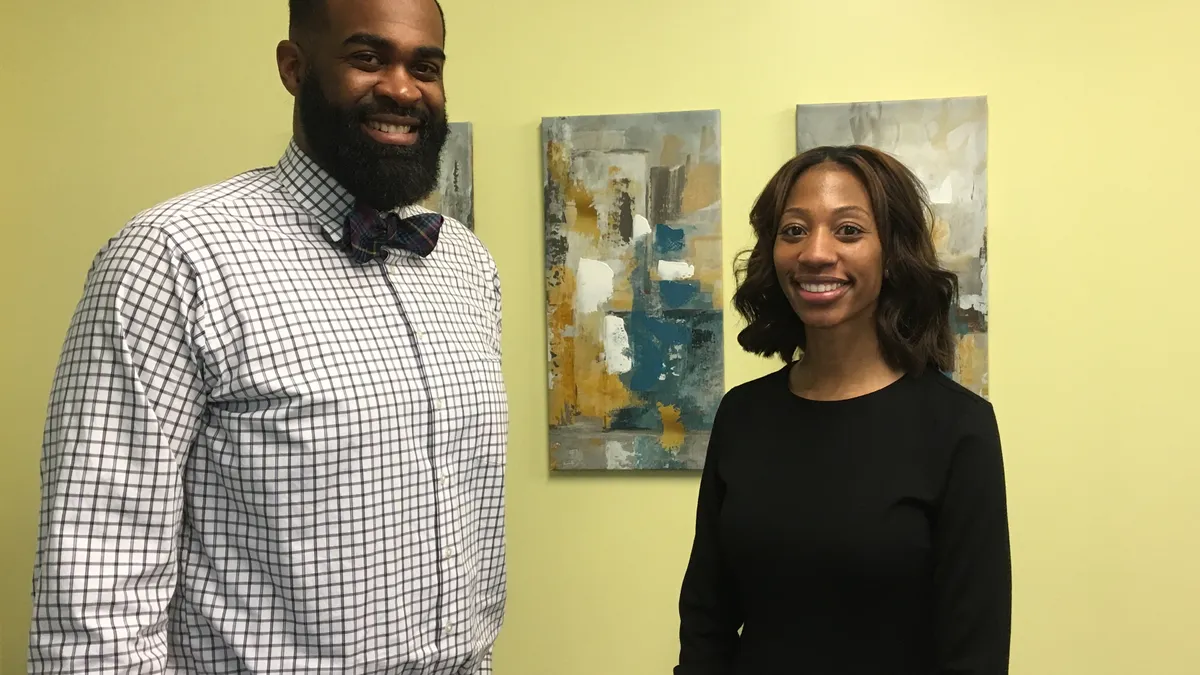
- Thelma Ramsey-Bryant, principal of John L. Costley Middle School in East Orange, New Jersey
When adopting new tech, think first about schools’ needs
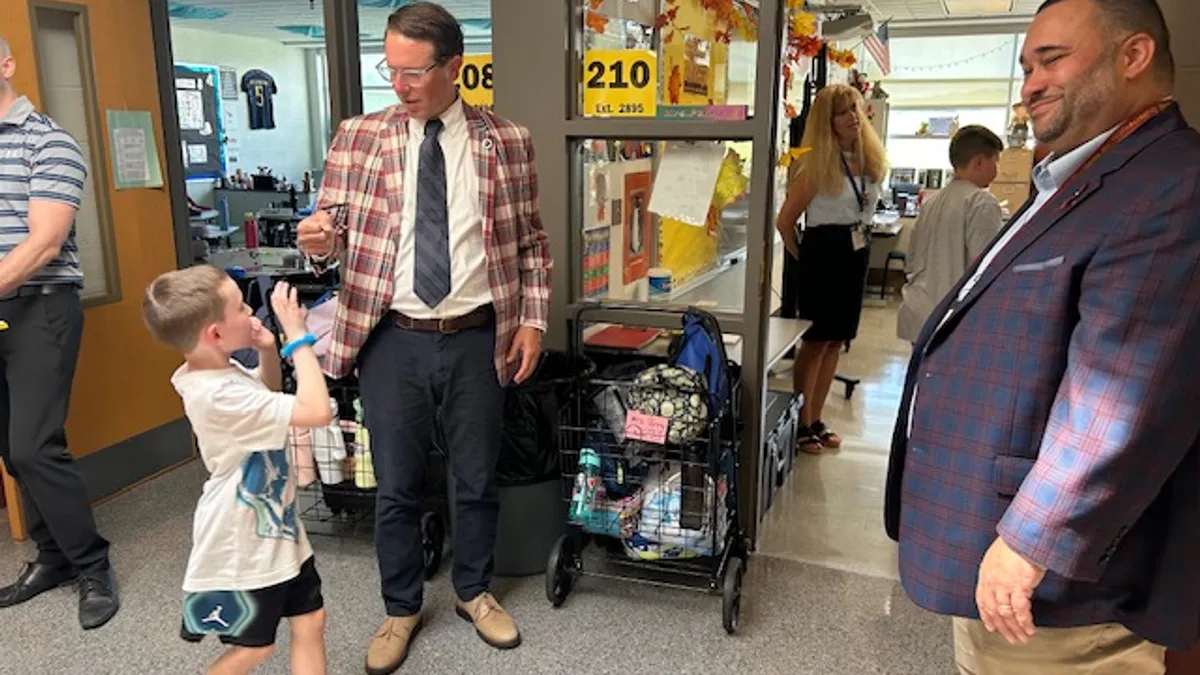
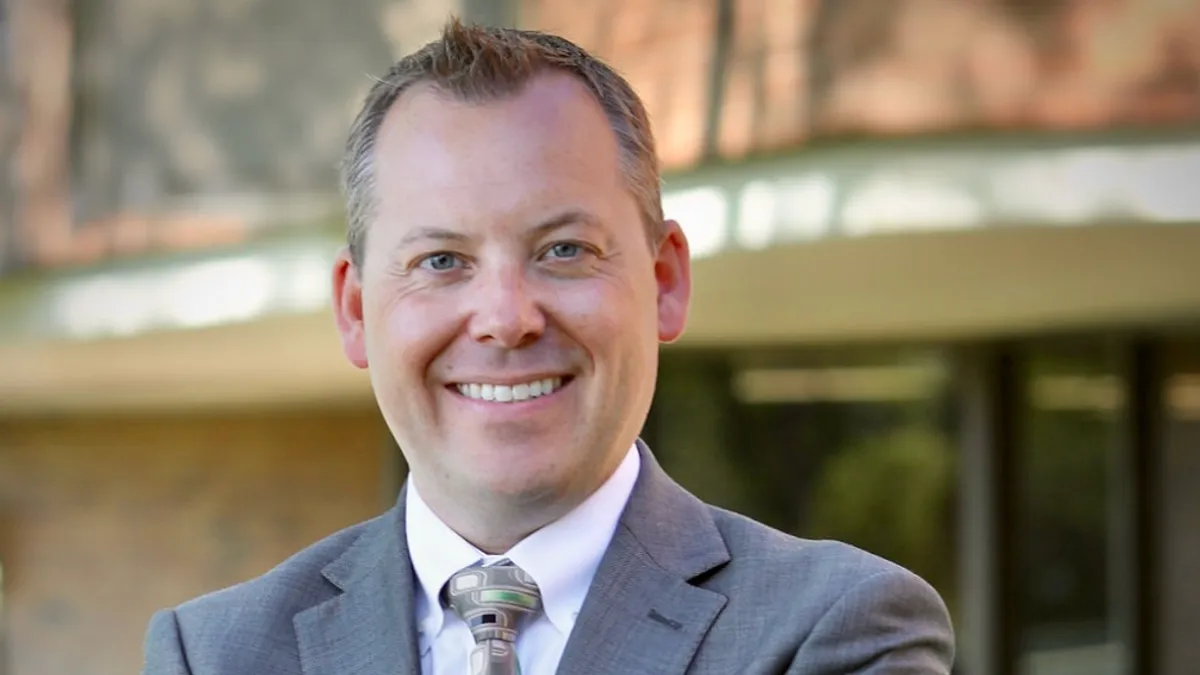
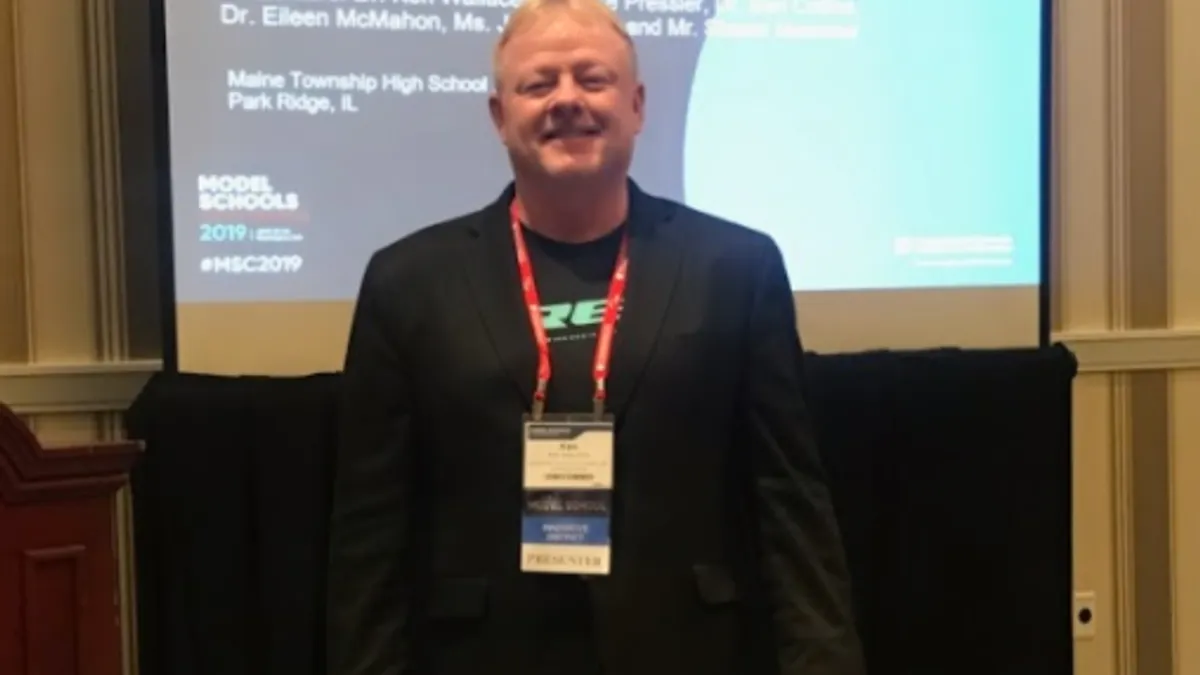
“The biggest thing is just not to be scared, but to ask specifically, ‘What is it that we need? What need are we trying to address?’

“I think [artificial intelligence] is best suited right now to meet needs that are defined, like individualized or niche needs that a school might have. … If you identify the need, there are plenty of great AI companies out there.
“You also need to talk to not just a sales rep but the CEO or someone fairly high up in the company. In the past, it was just, ‘You can have whatever you want as long as it looks like this, and then you bend what you’re doing to what we produced.’ Now, the best AI companies will almost custom-build a product to meet the needs of your school or district.”
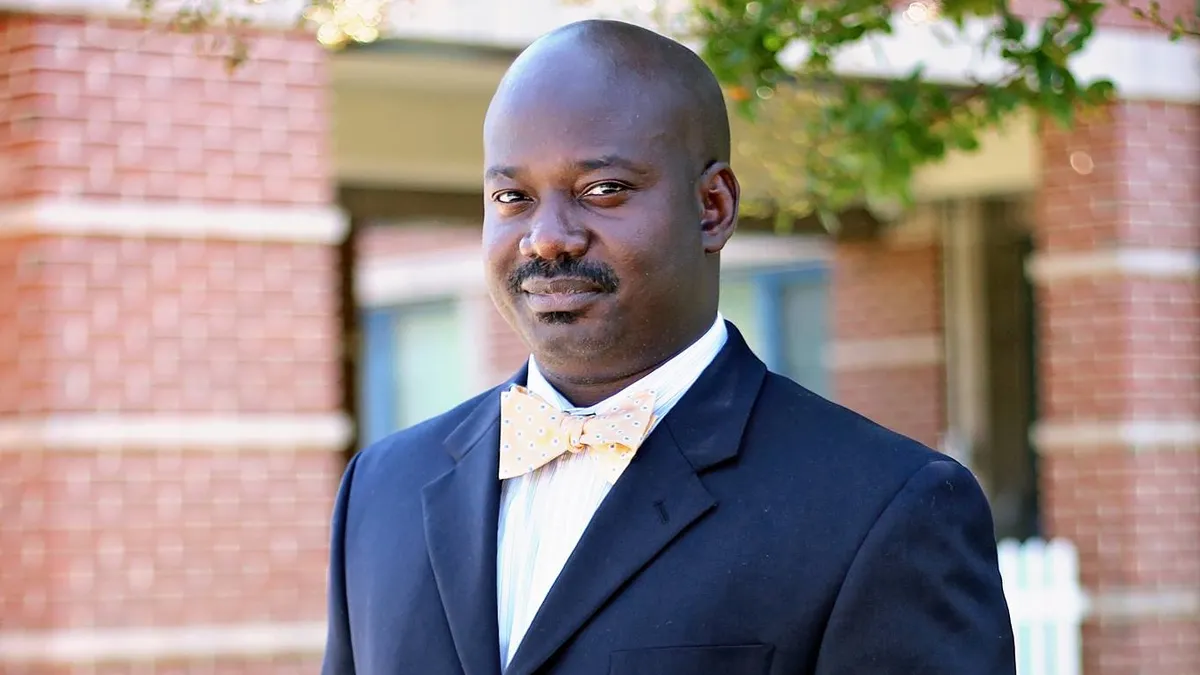
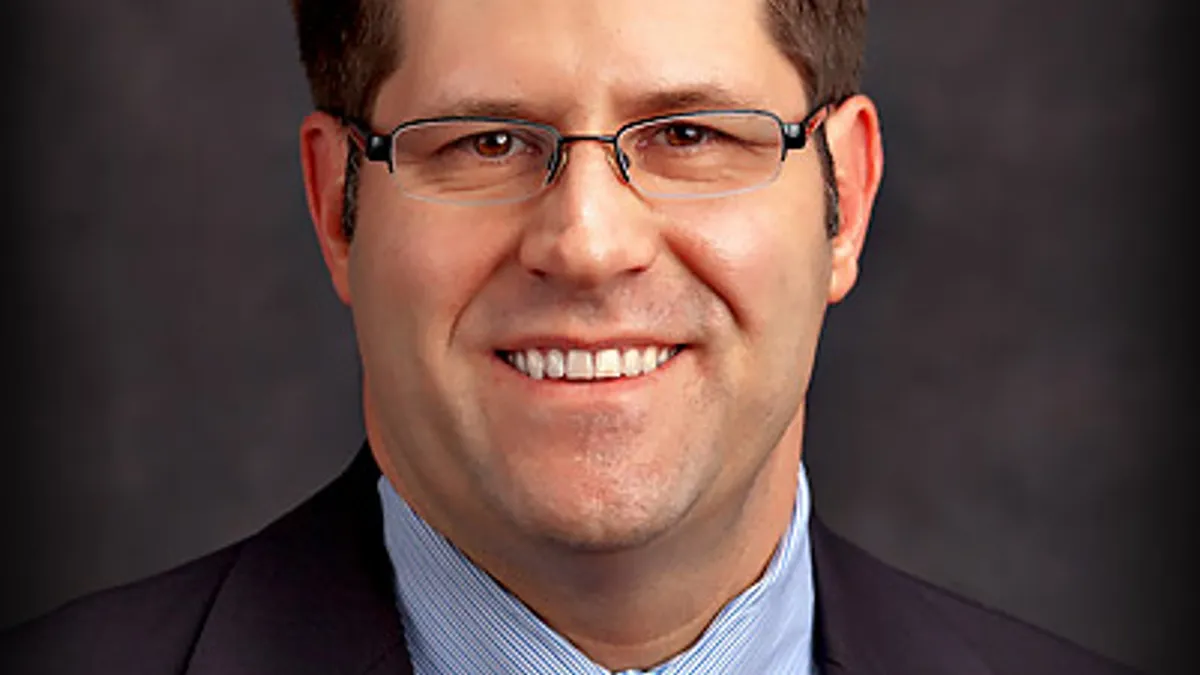
- Scott Langford, superintendent of Sumner County Schools in Gallatin, Tennessee
Some forms of communication cross language barriers
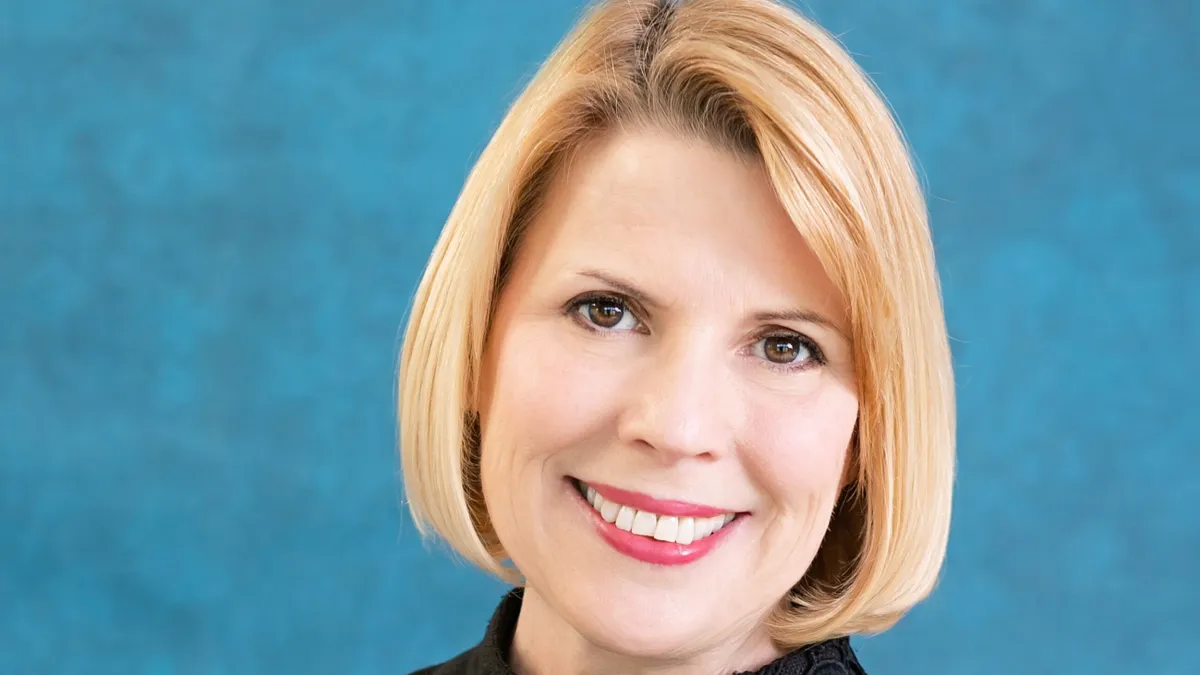
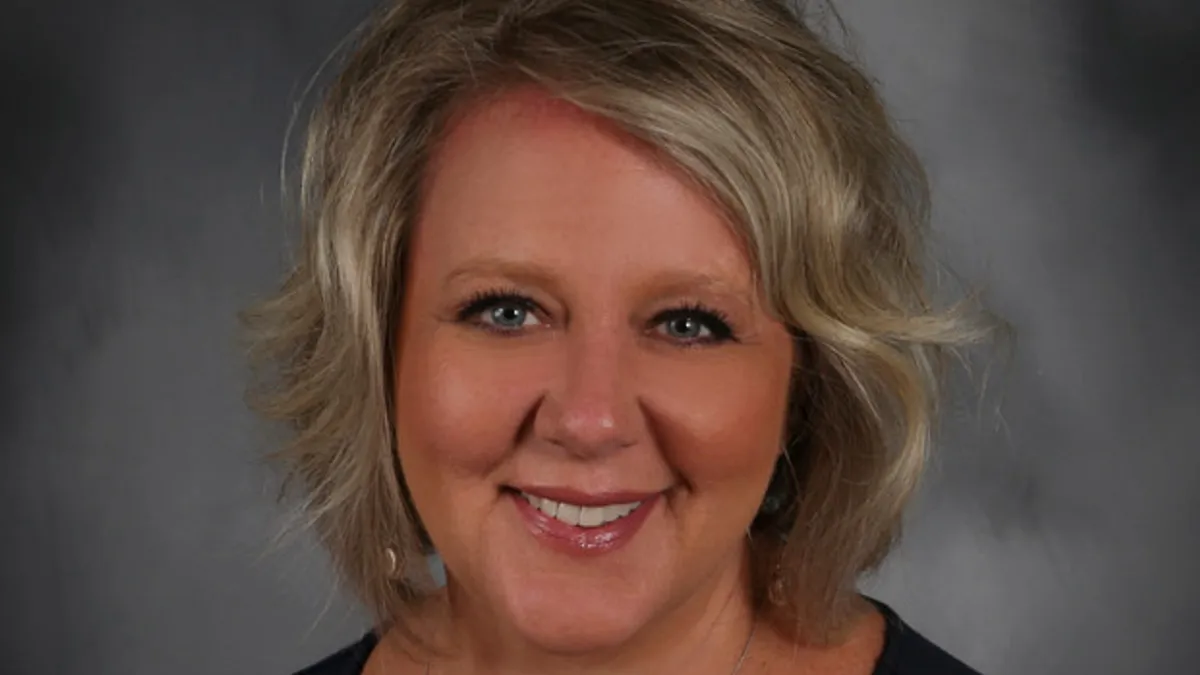
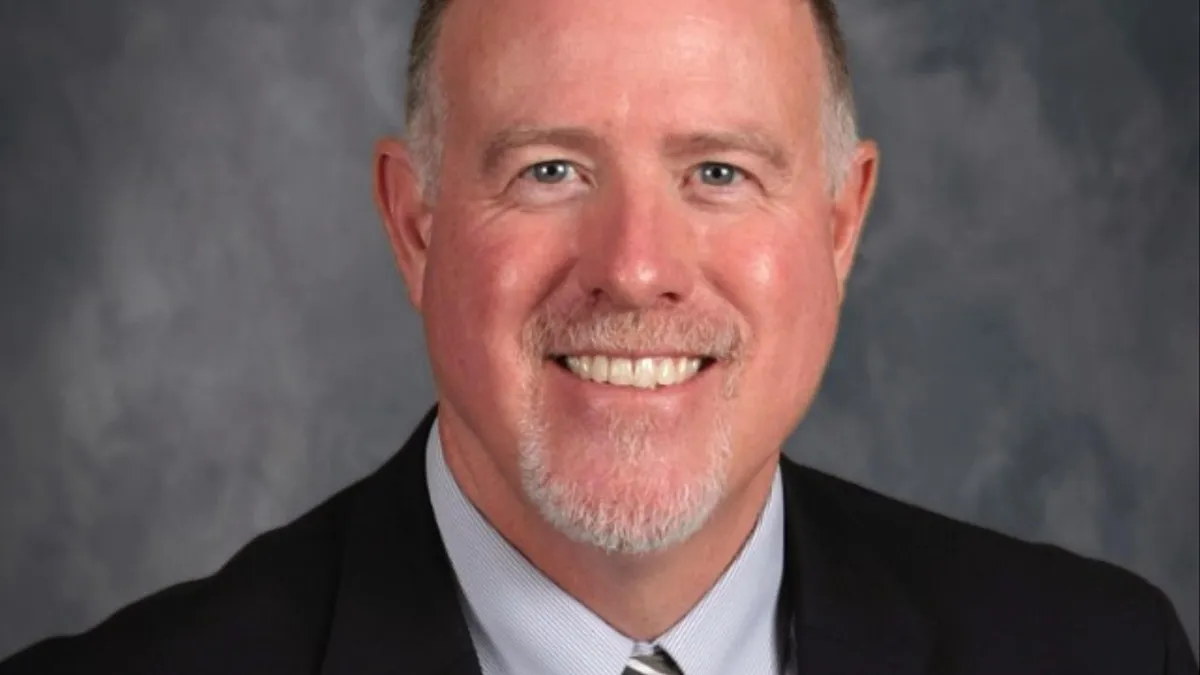
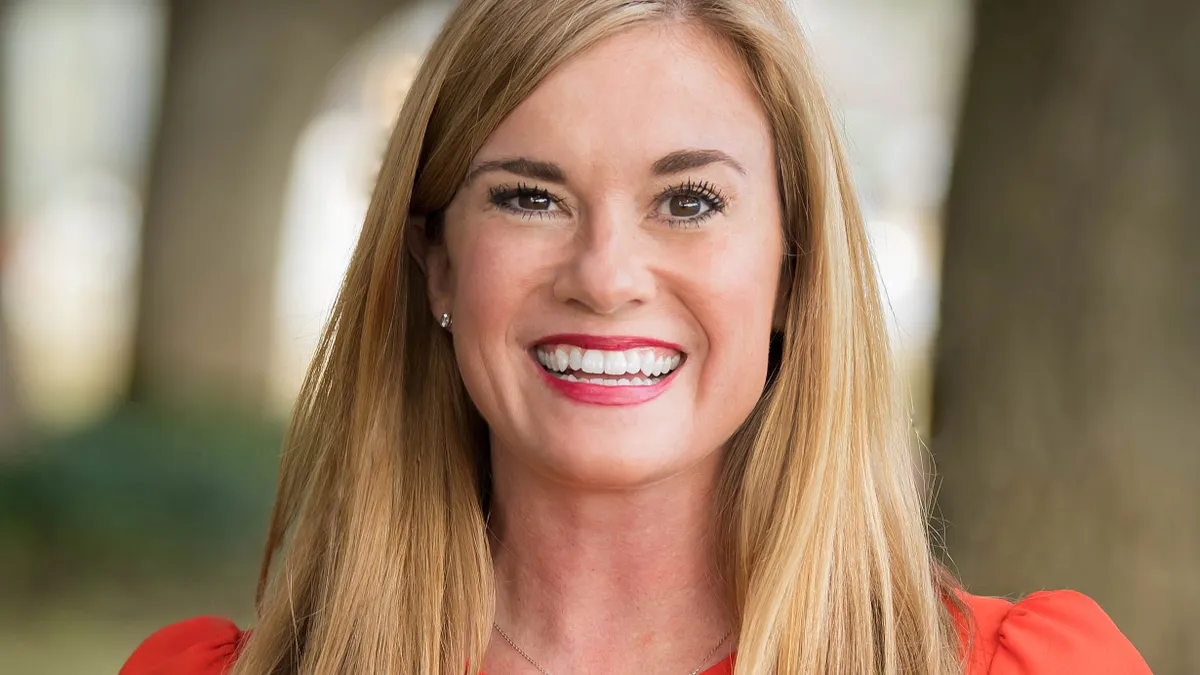
“Graphs and charts are universal. It’s really helpful to show a family the picture of [a student’s] growth trajectory, to show them the growth line of other students in that grade level in that school versus the national average versus their own student.
“It’s really helpful to drive home the point of ‘Look how much they’ve grown’ or ‘Wait a minute. We have real concerns.’ … Especially when we can see those positive growth trajectories, that’s just really comforting to parents to see that their child is on track.
“And even if they’re not where they need to be for achievement yet, if they’re growing at or above their peers, we know they’re going to hit that growth trajectory or that growth target, and they’re on the right trajectory. That’s good for parents to hear.”
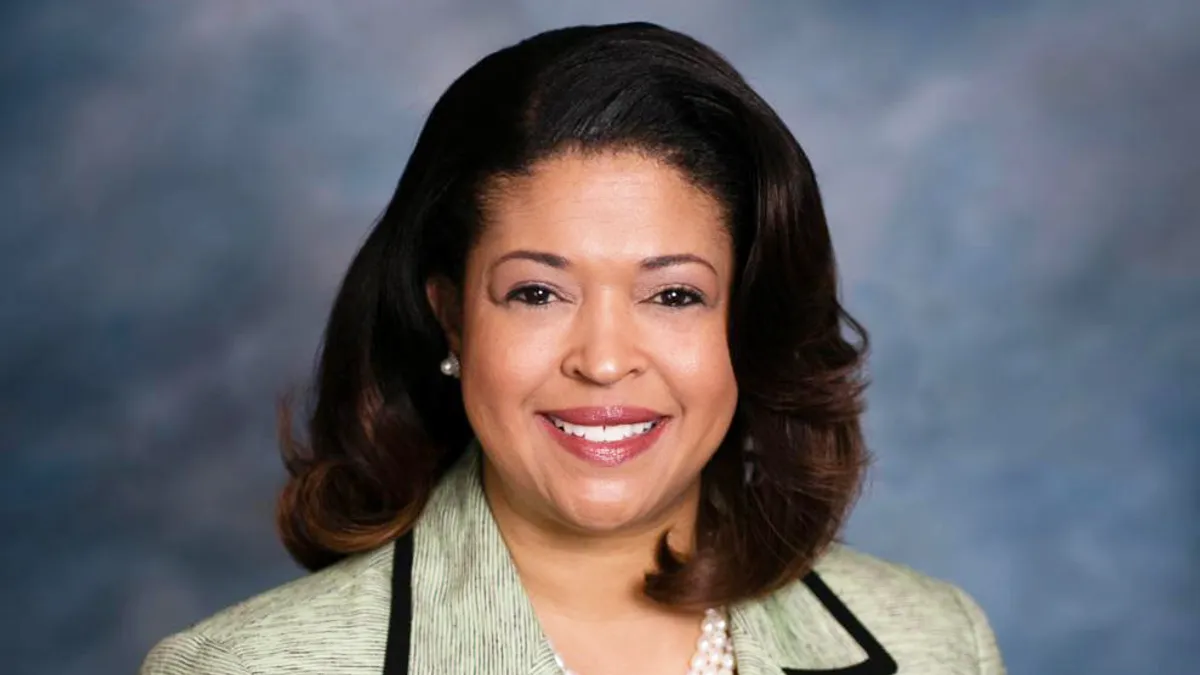
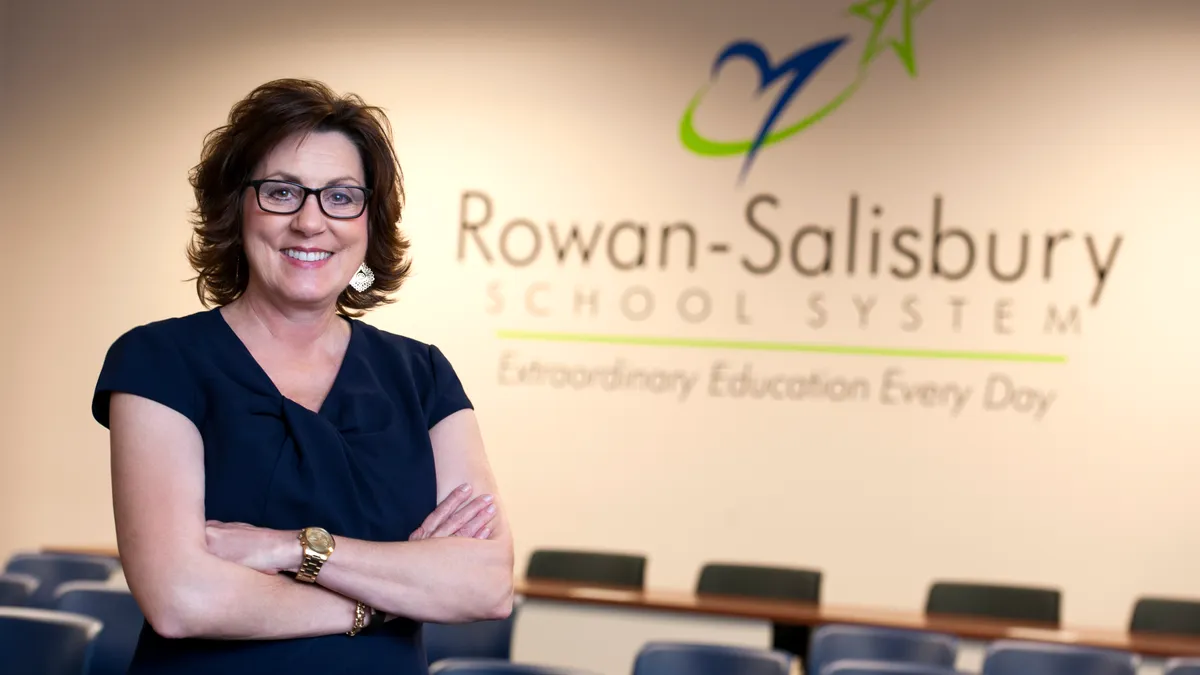
- Heidi Sipe, superintendent of Umatilla School District in Umatilla, Oregon
Every role matters in a district turnaround
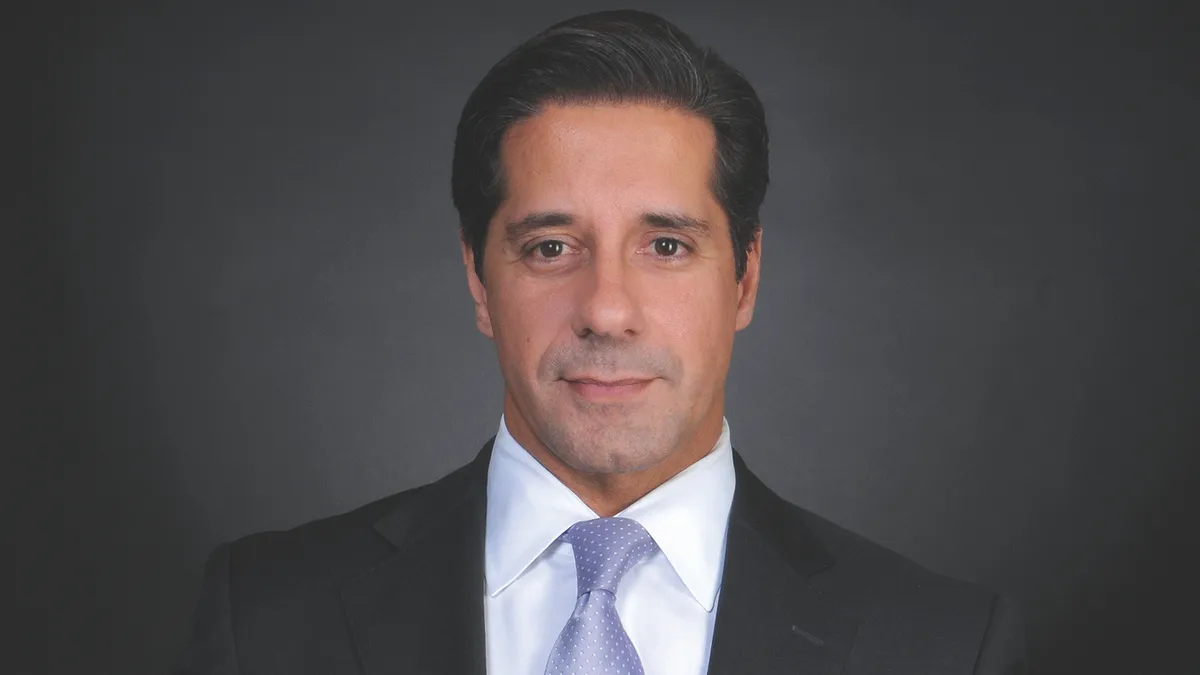
“I mean, we were growing [academically] before the pandemic, and it kind of gets lost in the mix, because a lot of districts haven’t grown much since the pandemic. Some haven’t even returned to their original scores they had pre-pandemic. We rebounded very fast.
“There’s a lot we need to credit to that. First off, we have a fabulous teaching staff, and we also have great administrators and great students who work toward the common goal of continuous improvement. We have a process in place that really is modeled after Malcolm Baldridge’s performance excellence standards, where we’re constantly benchmarking our performance against our surrounding competitors — aka surrounding school districts — and identifying those districts that we want to perform better than.
“When we first started the [improvement] process, almost all of our surrounding districts were performing much better than Compton Unified School District, and we began benchmarking our performance and developing smart goals to get better in ELA and math. Over time, we’ve been able to surpass the vast majority of everyone that we benchmark our performance against.
“It’s a testament to the process that’s in place, the establishment of smart goals, the implementation of interventions in classrooms, and a focus on academic language students need to understand in order to be able to answer questions the right way instead of just marching through the curriculum.”
- Darin Brawley, superintendent of Compton Unified School District in Compton, California