Curriculum: Page
-
Letting students write on subjects they love fuels learning
English and journalism teacher Allison Berryhill finds when students explore topics they care deeply about in their writing, they strengthen skills that carry over into other assignments.
By Lauren Barack • Jan. 22, 2020 -
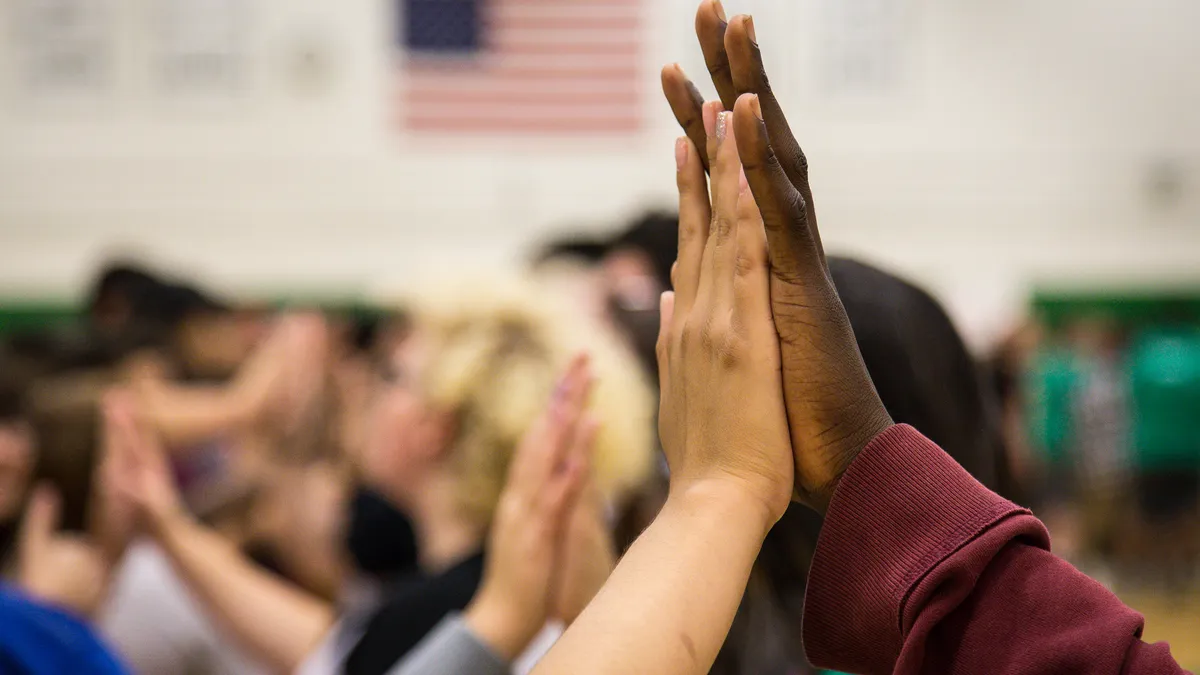

Study: SEL program's impact on state test scores mixed
Researchers say student performance doesn't suffer when instructional time is spent on social-emotional learning, but academic gains might not be as significant as other large-scale studies suggest.
By Linda Jacobson • Jan. 22, 2020 -
 Explore the Trendline➔
Getty Images
Trendline
Explore the Trendline➔
Getty Images
TrendlineTop 5 stories from K-12 Dive
K-12 Dive has gathered some a selection of our best coverage as a one-stop resource on the trends to watch in the months ahead.
By K-12 Dive staff -
Teacher prep, equity top list of 'hot' literacy topics
The International Literacy Association’s survey comes as state ed chiefs gather in Washington, D.C., to discuss what some call a reading crisis.
By Linda Jacobson • Jan. 22, 2020 -
Culturally sensitive approach to SEL acknowledges external obstacles, researchers say
A new understanding of SEL expands the approach from being an internal process to include external forces like racism and sexism that can shape students' experiences.
By Shawna De La Rosa • Jan. 15, 2020 -
Q&A
Curricular Counsel: Mobile lab key piece of Georgia CAO's early literacy, ELL progress
A Language Academy is also central to Calhoun City Schools CAO Kelli Kendrick's endeavors to address the district's large English learner population.
By Roger Riddell • Jan. 8, 2020 -
Building growth mindset requires rethinking lesson structures
One educator suggests encouraging more creative results and giving students time to work through mistakes so they can try again.
By Lauren Barack • Jan. 8, 2020 -
Report: Music ed pays off across curriculum, justifying costs
An analysis of research by the National Association of Music Merchants Foundation finds schools offering music programs have a 90.2% graduation rate and a 93.3% attendance rate.
By Shawna De La Rosa • Jan. 8, 2020 -
Opinion
The Blindside Project: How to reverse the discipline cycle with existing resources
When middle school principal Mike Gaskell's building unexpectedly took on a pre-K program, he saw an opportunity to get at-risk teenagers on track through a reading initiative.
By Mike Gaskell • Jan. 8, 2020 -
Report: Florida, Ohio called 'advanced leaders' in K-12 media literacy efforts
Advocacy group Media Literacy Now says 14 states have laws with "some media-literacy language" and others will consider bills this year, but some say progress "is too slow."
By Linda Jacobson • Jan. 7, 2020 -

Chief Justice Roberts urges focus on civics ed
In his year-end report, he highlights efforts by federal and state courts to help improve students’ knowledge of how government works.
By Linda Jacobson • Jan. 2, 2020 -
Opinion
Financial literacy should be taught to kids — not adults
Lessons on money management should begin in the early years, writes high school counselor Danielle Orange-Scott.
By Danielle Orange-Scott • Jan. 2, 2020 -
Girls Take Flight program recruits San Diego high school girls to pilot drones
The program's biggest challenge has been finding female drone pilots to teach, as experts say having women role models is key to getting more girls in STEM.
By Lauren Barack • Dec. 18, 2019 -
How to emphasize, teach and use computational thinking
Once aligned to coding and computer science, the skill can be woven into other areas of curriculum and assessment.
By Lauren Barack • Dec. 18, 2019 -
Student-led initiatives tie civic action, advocacy to social studies lessons
Curricula that encourage students to get involved with causes they support can further their understanding of activist movements and events.
By Shawna De La Rosa • Dec. 18, 2019 -
Q&A
Curricular Counsel: How Salt Lake City strengthened music, arts programming
Tiffany Hall, executive director for teaching and learning, says a whole-child focus means ensuring all kids have a broad range of opportunities to explore.
By Roger Riddell • Dec. 11, 2019 -
Helping students develop metacognitive skills to understand the 'why' of learning
Students often ask why they need to learn something, unable to connect the dots between assignments and the real world, but one teacher suggests three guidelines that can help.
By Lauren Barack • Dec. 11, 2019 -
Rural student enrollment in AP Computer Science Principles course more than doubles
Besides rural students, the College Board is making efforts to recruit more girls and underrepresented students into STEM classes.
By Shawna De La Rosa • Dec. 11, 2019 -
Report: Popular online teaching materials 'poorly aligned' with academic standards
Websites reviewed by the Thomas B. Fordham Institute say teacher ratings are critical to determining content quality, but experts suggest the ratings may not be reliable.
By Naaz Modan • Dec. 10, 2019 -
Kentucky district adopts unconventional process to fish for gifted students
The approach measures how quickly students respond to and think creatively about lessons presented on unusual topics with no prior exposure.
By Shawna De La Rosa • Dec. 4, 2019 -
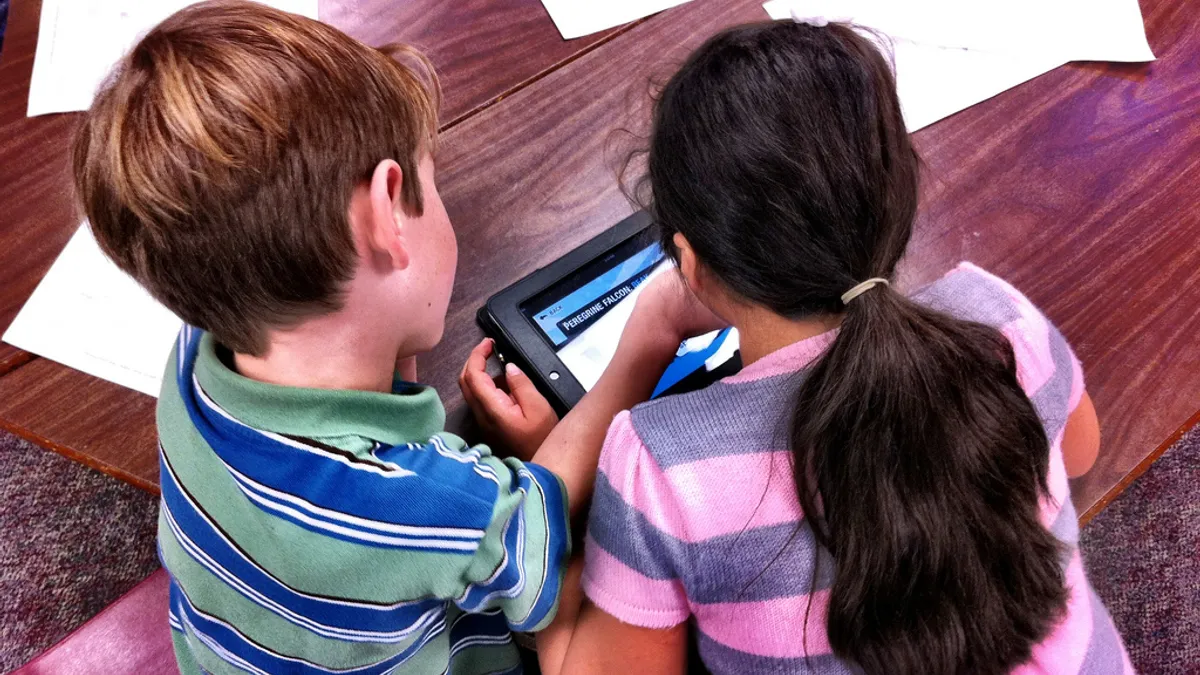
Reconsidering lessons and resources to promote body positivity
SEL activities can help build understanding in the classroom, which may also have an impact on bullying.
By Lauren Barack • Dec. 4, 2019 -
Texas likely to expand ethnic studies curriculum with African American history course
The course outline would begin centuries prior to the arrival of enslaved Africans in America, with a goal of showing students African civilizations were as sophisticated as those in Europe.
By Shawna De La Rosa • Dec. 3, 2019 -
Will synthetic animals lead schools to cut the real thing from dissections?
Synthetic frogs are expensive but reusable, and they avoid exposing students to carcinogens like formaldehyde.
By Shawna De La Rosa • Nov. 27, 2019 -
Recess, physical ed help students build sense of community
Playtime provides opportunities to build positive connections during the school day while strengthening culture and crucial SEL skills.
By Lauren Barack • Nov. 27, 2019 -
Is productive struggle the secret sauce in learning?
An instructional coach says allowing students to struggle through to a solution develops grit and perseverance, which will serve them well in the workforce.
By Shawna De La Rosa • Nov. 20, 2019 -
3 ways state agencies, nonprofits transport students beyond the classroom
A variety of partnerships nationwide are giving students a chance to learn first-hand in fields experiencing labor shortages.
By Shawna De La Rosa • Nov. 20, 2019
 Previous