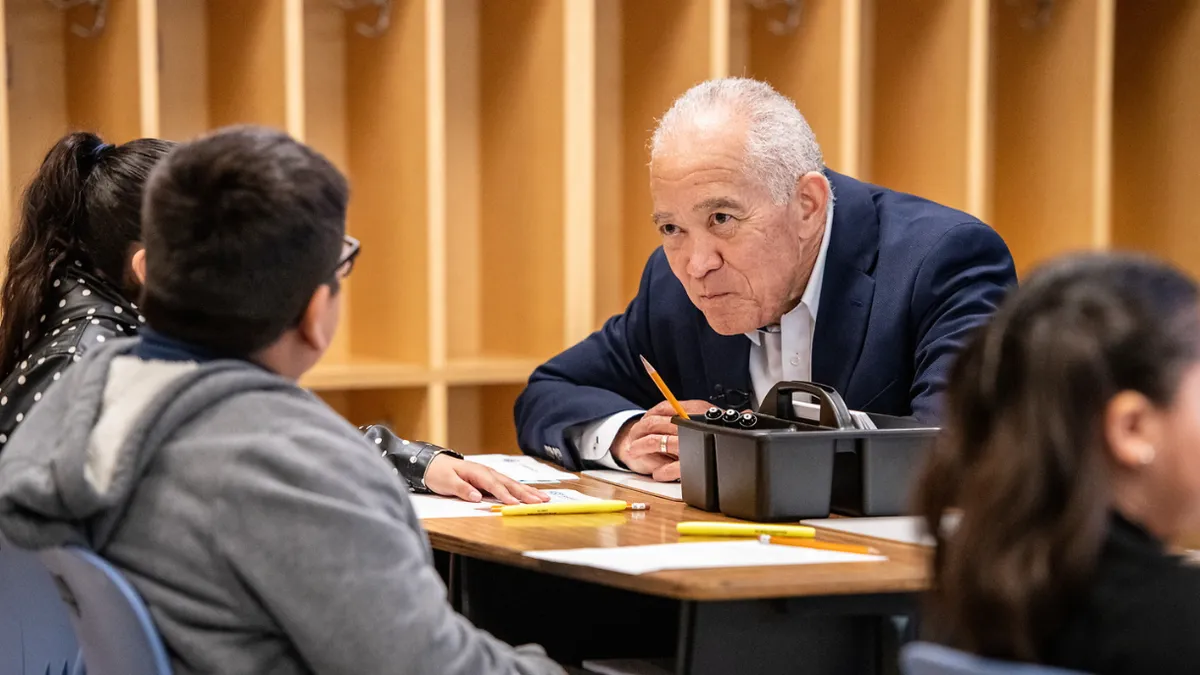
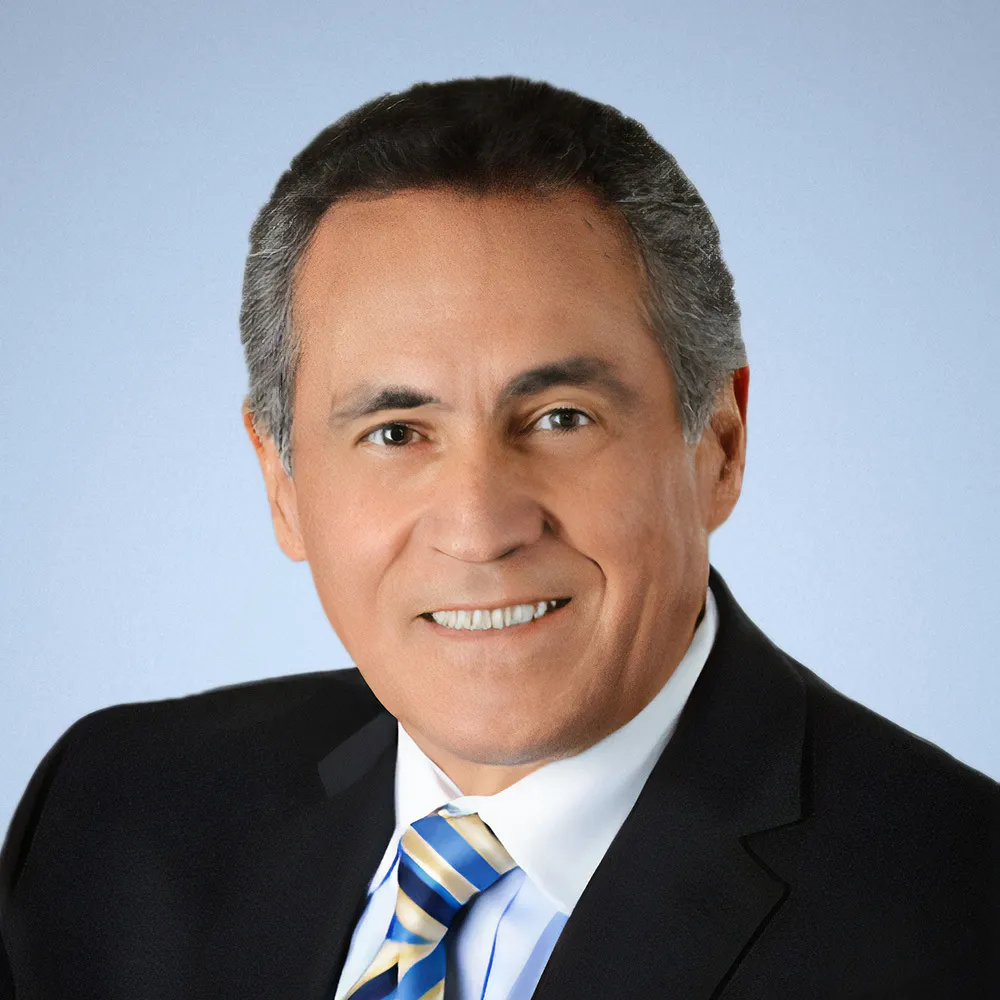
Dan Domenech is former executive director of AASA, The School Superintendents Association, and former superintendent of Fairfax County Public Schools. He is currently superintendent-in-residence at Age of Learning, an educational software provider.
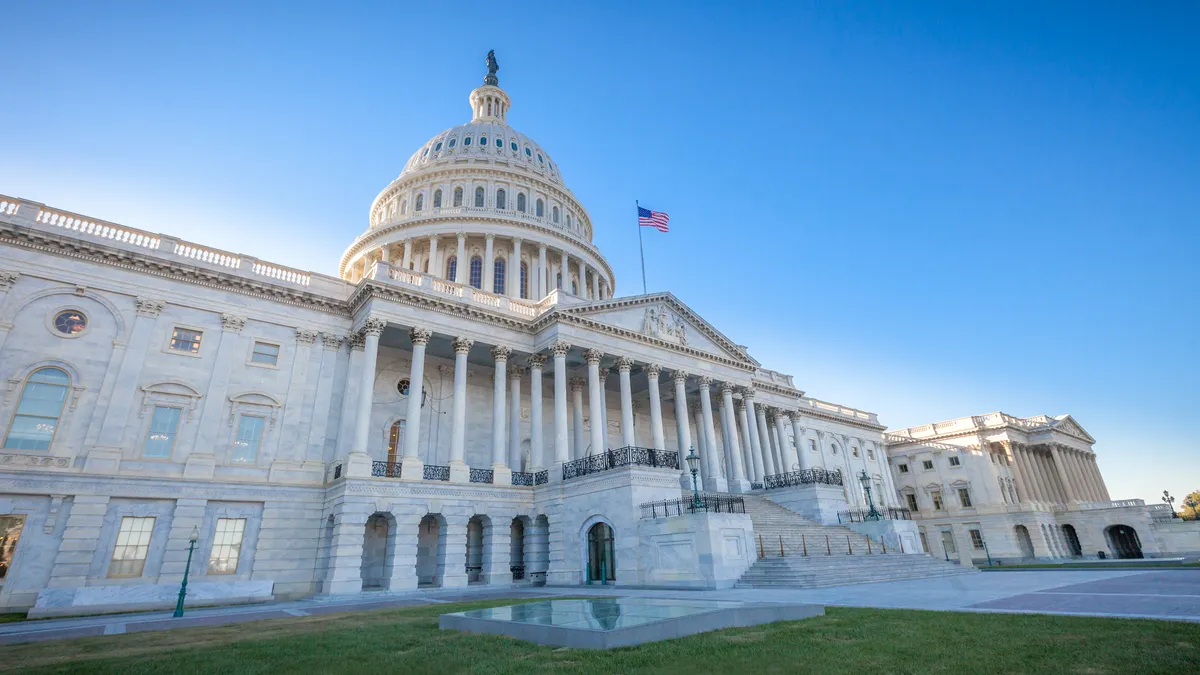
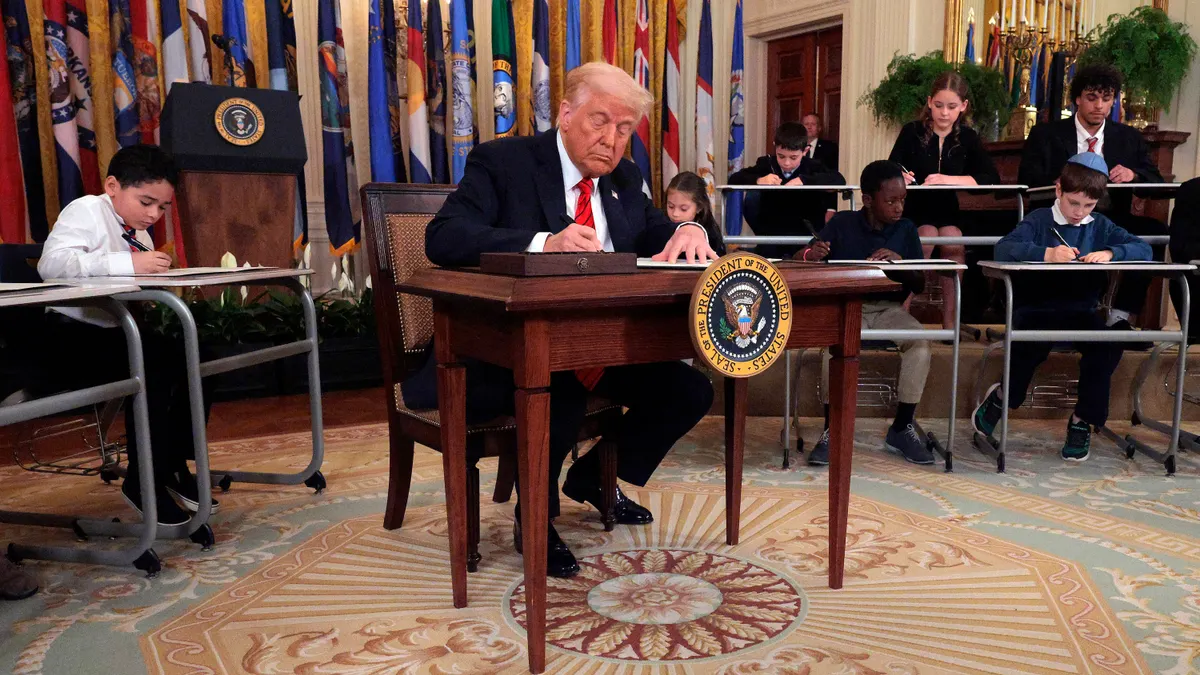
Uncertainty has become the defining word in American education. Federal funding levels, the role of the U.S. Department of Education, and shifting political priorities hang over every district budget meeting.
These debates in Washington are not abstract. They ripple directly into classrooms, shaping whether schools can hire teachers, maintain programs or invest in innovation.
I’ve lived through this before.
As superintendent of Fairfax County Public Schools from 1998 to 2004, one of the nation’s largest school systems, I managed through years when federal indecision collided with local realities. Later, as executive director of the American Association of School Administrators for 15 years, I saw thousands of districts across the country wrestle with the same pressures.
The lesson is clear: Politics may ebb and flow, but children cannot wait. Each school year is their only shot, and leaders have a duty to keep teaching and learning at the center.
That work begins with protecting the classroom.
Rank your needs
Superintendents must rank their biggest needs, starting with students. Core instruction and essential supports cannot be compromised. Peripheral initiatives can be paused until funding stabilizes, but pausing does not mean abandoning innovation.
Evidence‑backed ed tech tools, validated by studies aligned with the Every Student Succeeds Act, should be sustained because they directly improve student outcomes. These platforms not only accelerate learning but also provide every student, from advanced learners to those needing intervention, access to tailored support.
By preserving proven technology, districts safeguard both instructional quality and long‑term efficiency, ensuring that innovation continues to serve the classroom even in lean budget years.
Teachers must also remain the priority. They are the most valuable investment schools make, and cuts that destabilize staffing should be avoided whenever possible. Districts should explore creative alternatives, reassignments or delaying of non‑instructional hires before touching classroom positions.
At the same time, technology can serve as a force multiplier. The right tools personalize lessons, collect data and free teachers to focus on what only humans can do: lead small groups, offer one‑on‑one help, and provide targeted support. Technology should never replace teachers, but rather it can extend their reach.
Fiscal responsibility must go hand in hand with accountability. Districts can no longer afford to pay vendors simply for licenses or usage; the focus should be on results.
Contracts should tie a portion of payment directly to student learning outcomes, whether that’s growth on assessments, course completion or progress toward grade‑level proficiency. In times of uncertainty, schools need partners willing to share the risk, earning compensation based on demonstrated impact rather than on promises.
Setting clear, measurable goals not only ensures that investments deliver for students. It also builds transparency. Boards, families and communities deserve to see which programs are truly moving the needle for underserved students — and which are not.
But accountability alone is not enough.
Planning is key
The dangers of federal unpredictability are real. When Washington stalls or cuts funding, districts are left scrambling. Planning for multiple scenarios is essential.
Leaders must prepare for best‑case, middle‑case and worst‑case funding outcomes. Short‑term cash flow tools, such as borrowing early in the fiscal year, may again be necessary, but they must be used strategically and transparently.
And state leaders must also step in to protect students. States can provide temporary support for key federal programs, ensuring that classrooms are not left vulnerable to political swings. Strong local relationships with school boards, state agencies and finance partners can buffer federal instability.
When Washington wavers, it is the states and communities that must hold the line, ensuring continuity for students and stability for schools. Collaboration across state and local levels is not just helpful, it is the most reliable safeguard against national uncertainty.
Federal debates on education programs and funding will continue. Budgets will rise and fall. But students only get one chance at each school year. Superintendents and state leaders must model calm, principled leadership that puts children above politics.
By protecting classrooms, sustaining evidence‑backed tools and demanding accountability, education leaders can ensure that no matter what happens next in Washington, students remain at the heart of American education.




 Dive Awards