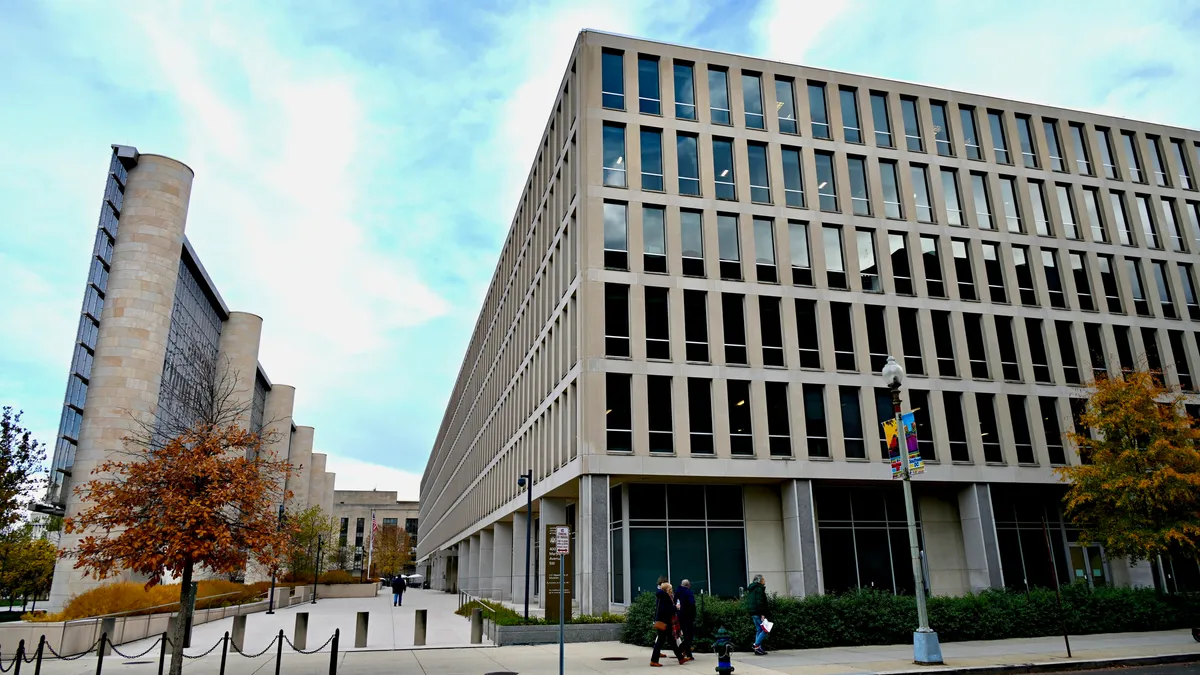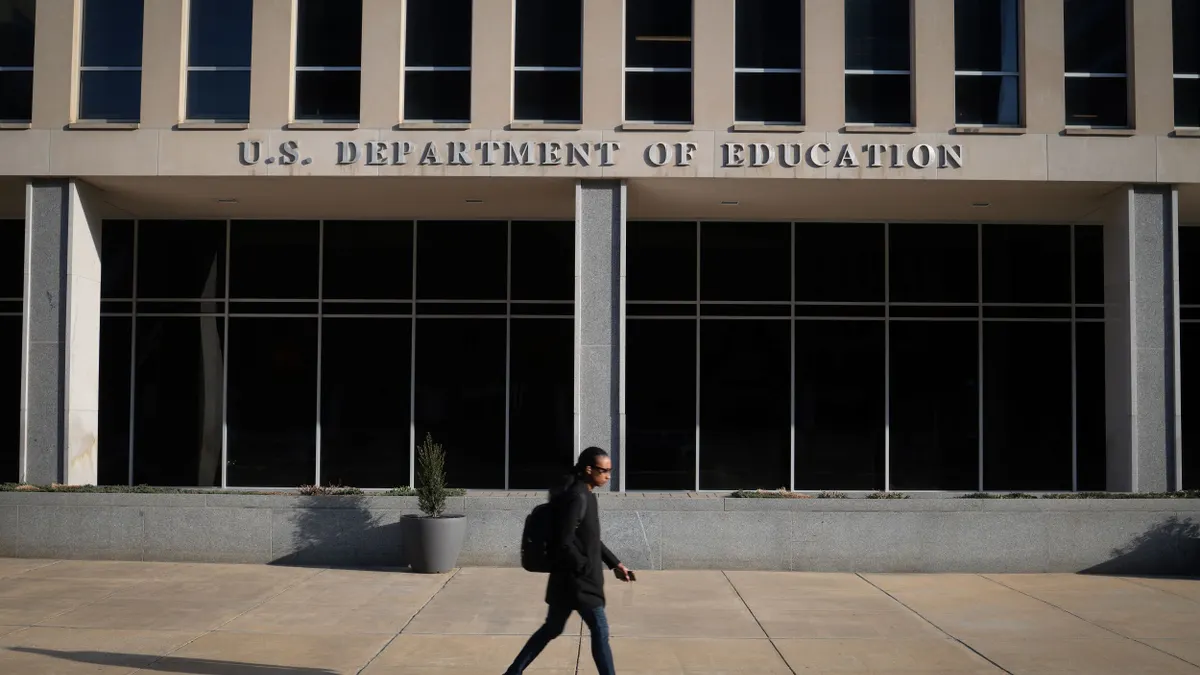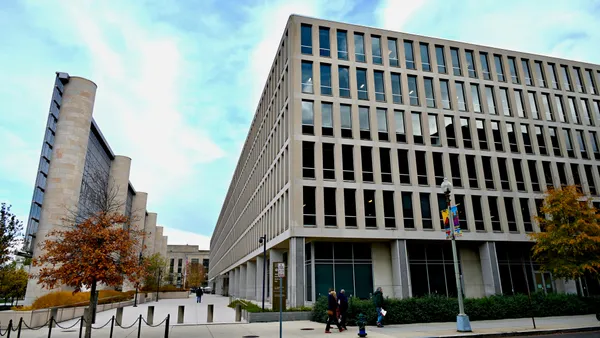
As the U.S. Department of Education continues to offload many of its responsibilities to other federal agencies, advocates and lawmakers are pleading for special education services to remain under the jurisdiction of the Education Department.
On Thursday, several special education administrative and advocacy organizations led a National Call-in Day aimed at pressuring federal lawmakers to oppose the transfer of special education and civil rights responsibilities out of the Education Department.
The department continues to consider moving special education services to another agency "without any explanation of how this benefits students and families," Chad Rummel, executive director of the Council for Exceptional Children, said in an email to K-12 Dive on Thursday.
CEC, a nonprofit for professionals who work in special and gifted education, was one of the groups behind the National Call-in Day.
"It’s time we talk about how to advance IDEA [the Individuals with Disabilities Education Act] and stop trying to find ways to break what is working," Rummel said.
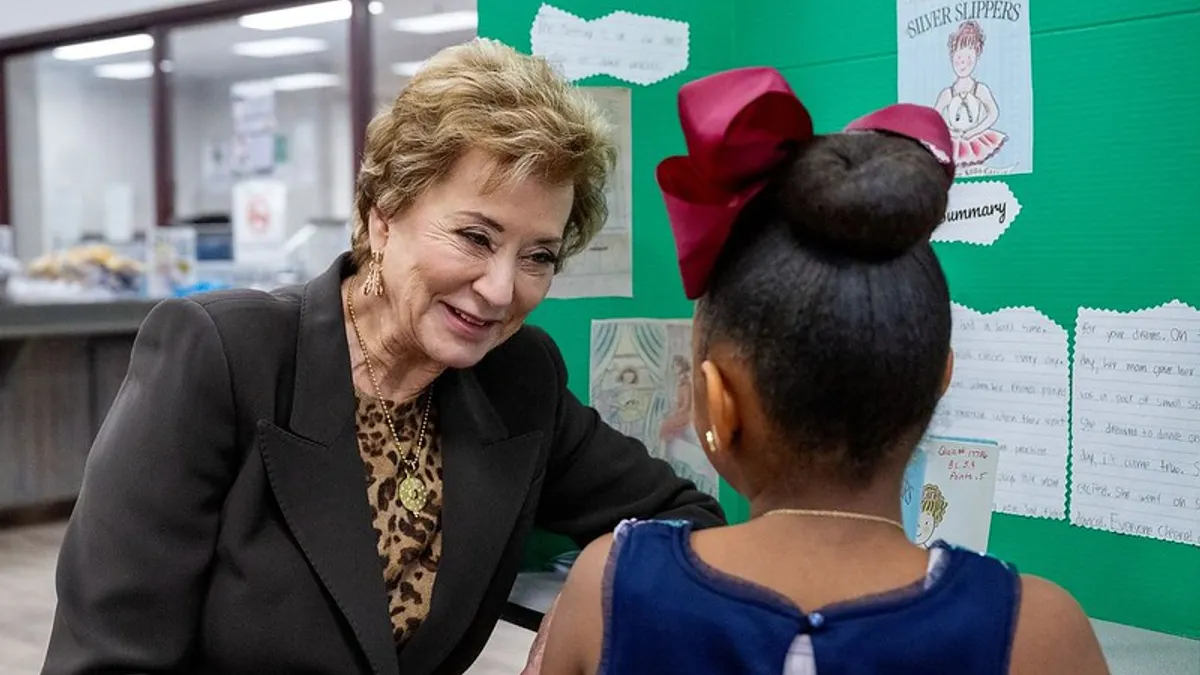
Linda McMahon, in an exclusive interview with K-12 Dive on Monday just before her one-year anniversary as U.S. education secretary, said forging interagency agreements with other federal departments is "part of the overall strategy of actually returning education to the states and taking the bureaucracy out of this overhead at the Department of Education."
While McMahon did not specifically address the status of an interagency agreement to move special education or additional programs out of the Education Department, she did say negotiations are continuing on that front with other federal agencies.
"Doing the research, signing the agreement is kind of the first phase. Implementation is the second phase," McMahon said.
To date, the Education Department has announced nine interagency agreements with the departments of Labor, State, Interior, and Health and Human Services. As these agreements are being implemented with, for example, the Labor Department, Education Department staff are being deployed to that agency, McMahon said.
The K-12 programs being moved to the Labor Department include career and technical education services, programming for English learners and homeless students, and supports for low-income schools and districts.
Under several of the interagency agreements, the Education Department retains responsibilities for budgeting, policy, hiring and overall program accountability, while the other agencies are assigned to manage grants and provide technical assistance and other services.
McMahon said these efforts are a "work in progress" but added, "I think we're showing really good success there."
Others, however, are skeptical that the transfer of so many Education Department responsibilities will yield efficiencies and improve student outcomes, as supporters claim.
During a Senate Health, Education, Labor and Pensions Committee markup session of unrelated legislation on Feb. 26, Sens. Tim Kaine, D-Va., and Susan Collins, R-Maine, both voiced concerns with the idea of moving special education programs out of the Education Department.
"There are certain programs — for example, Title I and IDEA — that I do not think are a good fit for being transferred to the Department of Health and Human Services," Collins said.
Concerns for civil rights, accountability
The program transfers are part of the Education Department's Returning Education to the States initiative to give school districts and states more decision-making authority in how they use federal funds. McMahon confirmed this week that her goal continues to be to close down her department.
But Kaine said during the markup, "Congress created the Department of Education. Only Congress can eliminate it. If you want to abolish it or move programs, you should seek our approval."
He added, "I think many of us might agree that some moving of some programs could make sense, and you could get congressional approval for that." It's the "willy-nilly" transferring of so many Education Department functions to other agencies that is the problem, Kaine said.
About 8.2 million students ages 3-21 qualified for services under IDEA in 2024, a 3.8% increase over the year before.
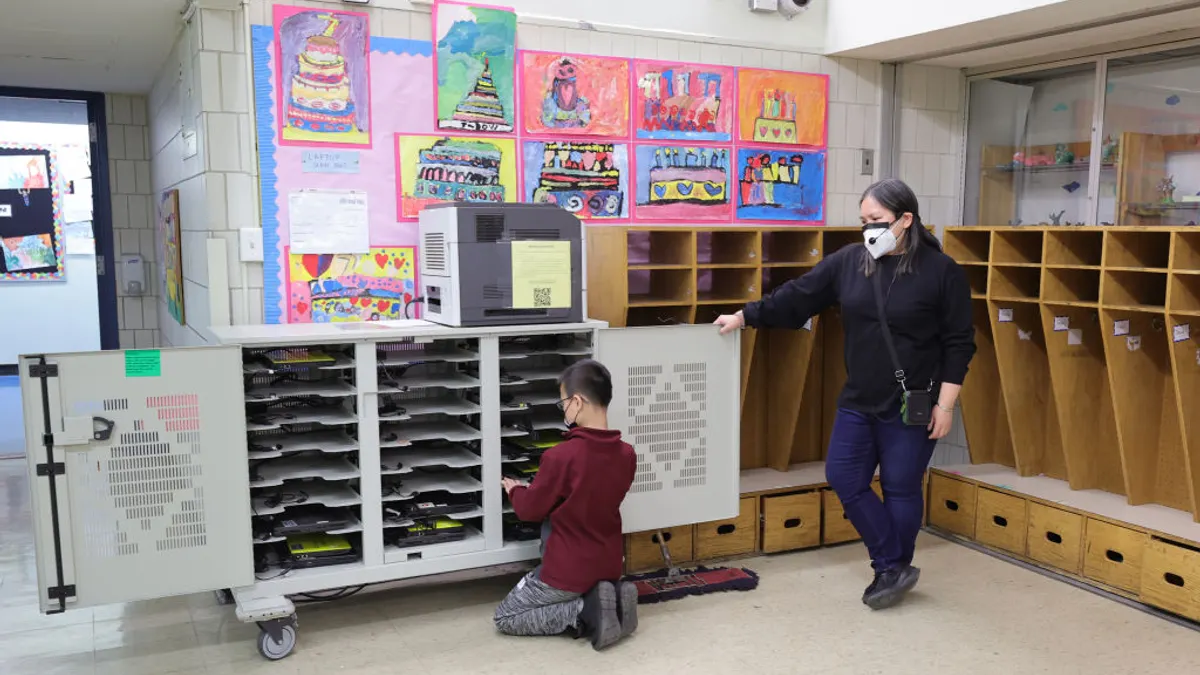
Special education advocates expressed concern about civil rights protections for students, funding for districts and states, and IDEA accountability requirements if special education services were outsourced to another agency.
They've also denounced the Education Department's efforts to shrink its workforce and cancel or withhold grants supporting students with disabilities and their families and teachers.
A Feb. 26 fact sheet from First Focus on Children, a bipartisan advocacy group, said the Education Department's "crucial role" in tracking states’ progress in meeting IDEA’s requirements "could be at risk if the program moves to HHS."
Accountability ratings for IDEA released by the Education Department in June 2025 showed 37 states and territories "need assistance" for meeting special education targets for students ages 3-21.
Critics are also worried about a loss of civil rights protections for students with disabilities if oversight for the programs moved to another agency.
A February U.S. Government Accountability Office report said that between March and September 2025, the Education Department's Office for Civil Rights dismissed 90% of the more than 9,000 discrimination complaints it received.
At a December event in Virginia marking the 50th anniversary of IDEA, Kimberly Richey, U.S. assistant education secretary for civil rights and acting assistant secretary of the Office of Special Education and Rehabilitative Services, told K-12 Dive that the IDEA statute "is not going anywhere. Its promises are not going anywhere. The promise of FAPE [free and appropriate public education] in the least restrictive environment is not going anywhere.”
Still, the anticipated changes are causing stress among special education and disability rights advocates.
"IDEA has bipartisan support in Congress, and we need Congress to take actionable items to ensure the Department doesn’t undo our 50 years of progress in supporting children with disabilities," CEC's Rummel said.