This is the second installment of a three-part series on the impact of private school choice on public school enrollment.
To better understand parents' school choice decisions, we interviewed two Broward County, Florida, families — the Frys and the Gibson-Petersons. While each family has their own reasons for leaving or staying in the district's public schools, learning about these families' experiences may be helpful to the broader school choice discussion.
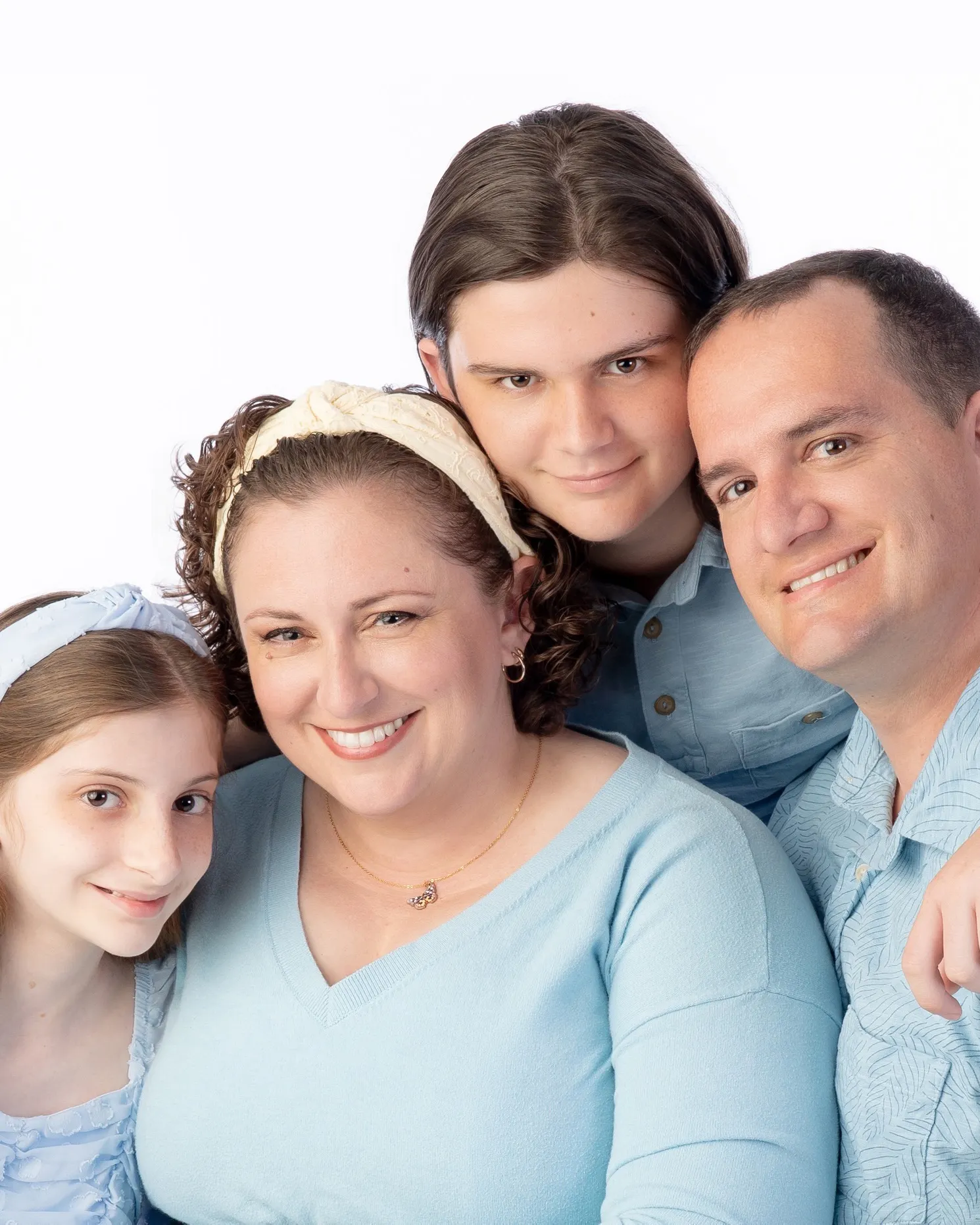
The Fry Family: Why we stay in Broward schools
When Nancy Fry was a student in Florida's Broward County Public Schools in the mid 1990s to early 2000s, a population surge meant that the district was literally bursting out of its buildings. Fry's high school, in fact, had so many students that her entire 9th grade learned in portable classrooms.
Now, as she raises her two children in the same district, she's watching how underenrolled some schools are becoming. As a volunteer on school advisory boards, Fry has a front row seat to the struggles Broward faces as reduced funding is leading to staff layoffs and school closures.
"I saw — from one year to the next — my daughter's elementary school lose almost $4 million in funding just because of enrollment," said Fry, who is also a community organizer for Families for Strong Public Schools, a nonprofit that advocates for high-quality public schools across Florida.
Even with the reduced staffing and funding, Fry said, the public school system provides more learning and extracurricular opportunities for her children than private schools would. Her son is in 9th grade and participates in the international Cambridge program, an academically rigorous curriculum.
Additionally, her son has access to college-level courses, Advanced Placement classes, sports, theater and other activities. Fry's daughter is a 5th grader in the gifted program. A benefit of the public school system is that it must educate all students, regardless of ability, income or other factors, Fry said.
"Public schools are the great equalizer," she said. "Everyone has access to the same type of education, regardless of your income and your ZIP code."
At the same time, Fry said she knows public school is not a perfect fit for everybody.
Still, she said she knows Broward County Public Schools provides a quality education, and added that she's hopeful the district can attract more students and be more financially secure.
"Just having the stability of not worrying about: Is there going to be funding? Is there going to be a state takeover? Is the school going to have to close? Not having to worry about that, I think, would also help draw people back into the public schools," Fry said.
She also said Florida should invest more in its public school systems.
"I hope that the state decides to prioritize our students again and fund our public schools throughout the state accordingly, not just for Broward, but every school district. I believe every school district should get funding to meet the needs of the students, and that we can do better by our kids and make sure that they don't have to struggle to get what they need."
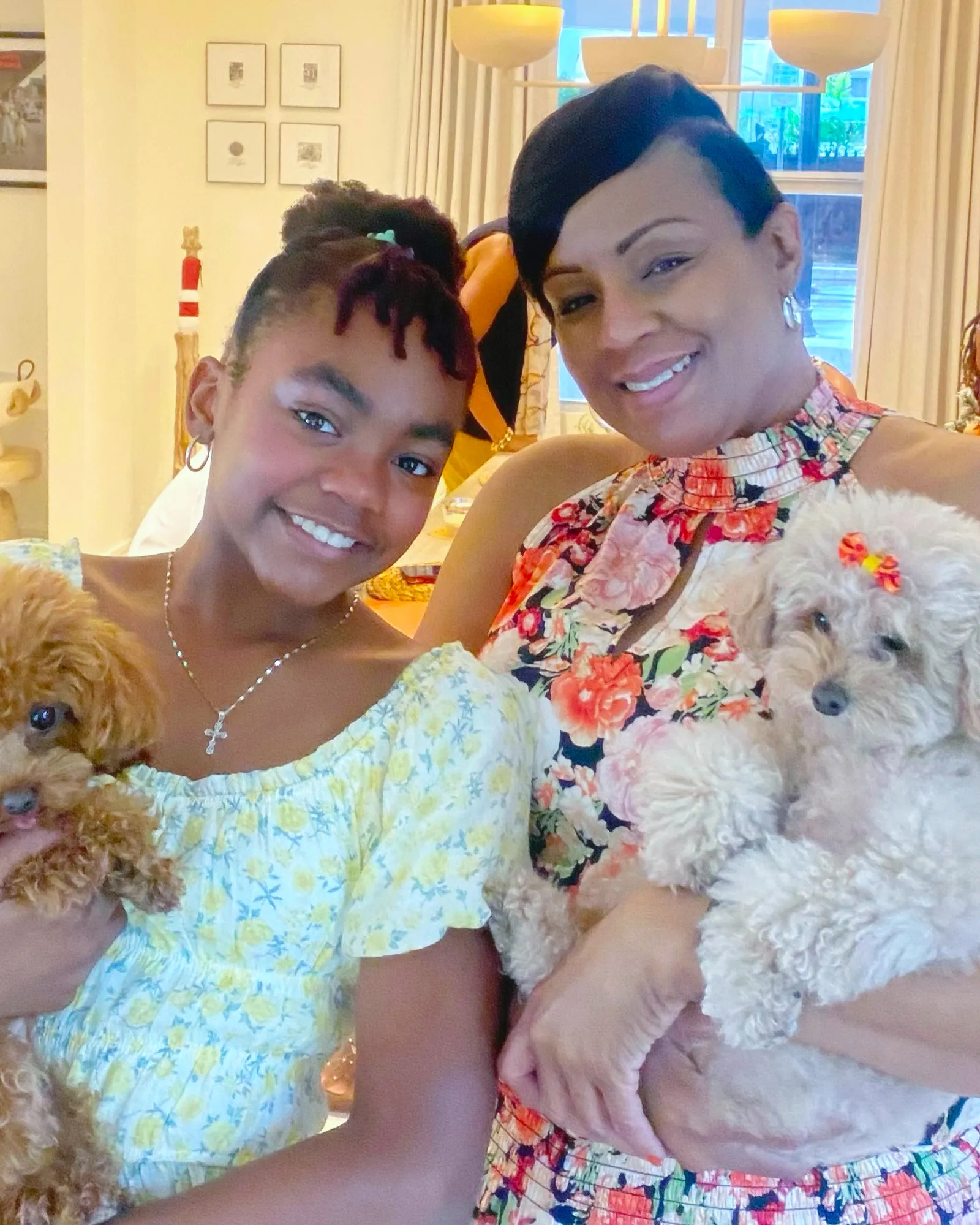
The Gibson-Peterson Family: Why we left Broward schools
After two years of her daughter being bullied in 2nd and 3rd grade at her Broward County public school, Simone Gibson-Peterson enrolled her daughter in a private Christian school with tuition assistance from Florida's Hope Scholarship program for students who have experienced bullying, harassment, assault and other violations.
The Hope scholarship is now part of the state's universal Family Empowerment Scholarship program.
"I should not have to send my child to school and worry about her coming home feeling intimidated or not wanting to go back to school, and that was my biggest problem. Like, I cried every day having to watch my daughter go back into the same situation that she left the day before," said Gibson-Peterson. The mother said that as a student in Broward County Public Schools in the late 1980s, she herself was bullied and got into fights.
In the 12th grade, Gibson-Peterson dropped out of school, but later earned a GED and continued her education. She eventually earned a master's degree in criminal justice with a concentration in child abuse.
Her daughter, now a 7th grader, is thriving at her new school, Gibson-Peterson said. "There's so much accountability. They have zero tolerance for bullying, like that's not even going to happen," she said.
Her daughter's grades improved, and she is flourishing socially, her mom said. The school provides tutoring and extracurricular activities, as well as extra time for tests for her daughter, who has ADHD. "She's into track, she's into cheerleading, and she's just overall fully involved in school and happy about it."
The $8,000-a-year scholarship doesn't fully meet the $16,000 annual tuition, so Gibson-Peterson and her ex-husband split the expense, which comes to about $560 each a month. But, she said, the tuition covers most costs, including field trips.
Even though Gibson-Peterson is pleased with her family's decision to leave the public school system and enroll in private school, she said that because she works in child protection services, she's a firm supporter of a healthy and safe public school system.
The children she works with "need the public school system, but I also believe in school choice because not all of the schools have great teachers or great staff," Gibson-Peterson said.
"I want to be able to know that when I send my children — not just my biological child but my children that live in my foster care village — I want to know that when I send them to school, that they're safe."