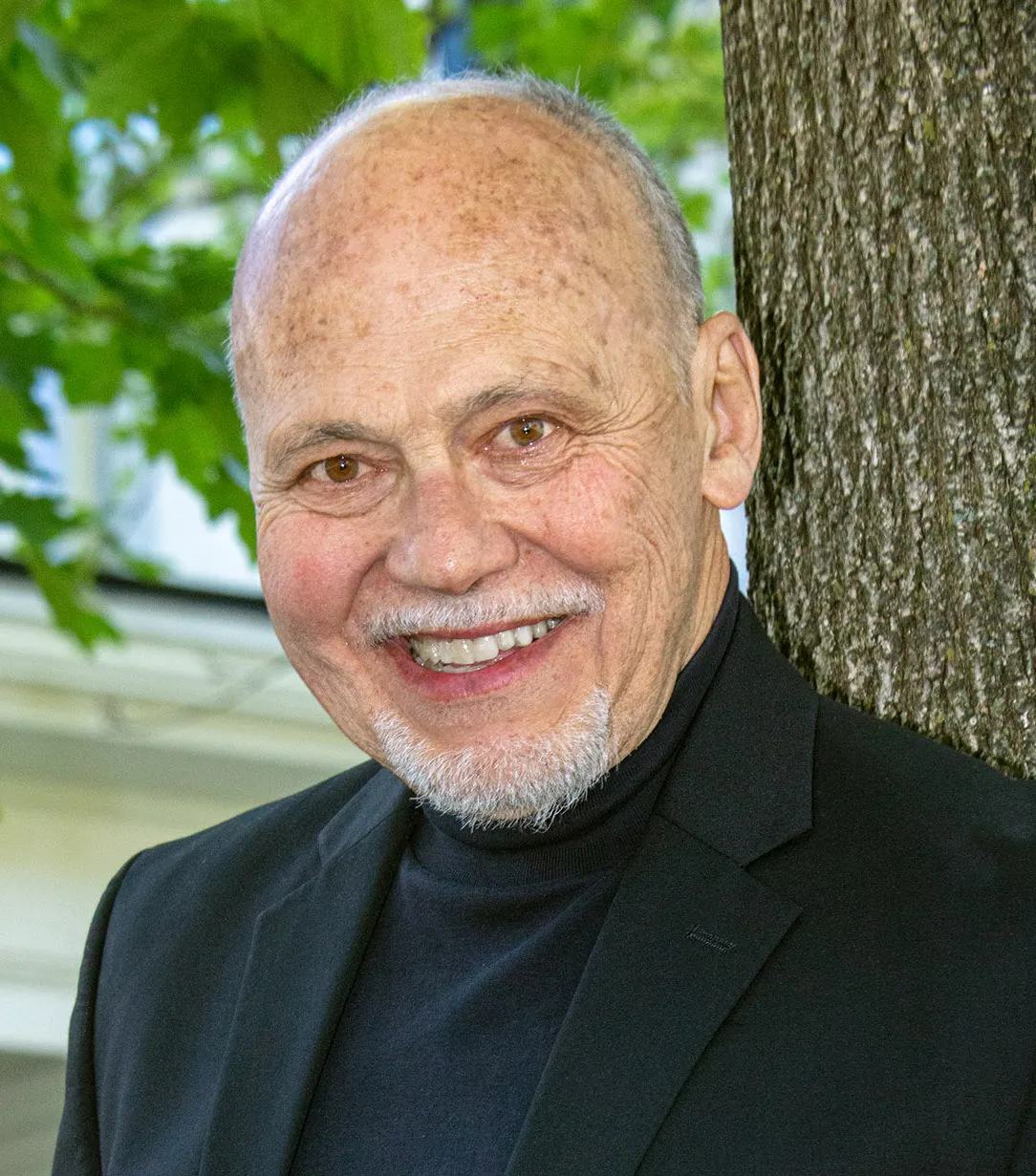
Stephen Sroka is an adjunct assistant professor in the School of Medicine at Case Western Reserve University in Cleveland. He works with K-12 schools as a teacher and consultant with crisis intervention and violence prevention. Ironically, he says, a school safety program saved his life: While providing an in-service for a school system, he suffered a cardiac arrest and was resuscitated. Two school resource officers, a principal, a school psychologist, a superintendent and others saved his life.
I have been involved with school crisis intervention and violence prevention for over 50 years. I would like to take an honest, heart-wrenching look at school shootings, and then offer some positive personal suggestions to prevent school violence.
First, I would like to clarify two misconceptions about school shootings:
School shootings are infrequent. Although firearms are the leading cause of death for children and teens, less than 2% of school age children and teen firearm injuries occur on school grounds. The most common locations of shootings involving school-aged children in 2019 were private residences at 51.5% and streets or roads at 23.8%. Schools represented just 1.7% of these locations.
Most school-based shootings happen outside the school buildings. Of school-based shootings from 1966 to 2025, about 75% happened outside of the school building on school grounds, most commonly in parking lots, front or behind schools, and football fields, basketball courts and other fields.
Sadly, I have witnessed a developing pattern, the 5 B’s that seem to repeat after a school shooting.
With all due respect, consider any school shooting tragedy, and reflect on how these series of events evolved.
- Blood. The first response from the media is pictures and videos of bloody scenes. The more blood, the more coverage. Sadly, a reporter once told me, “If it bleeds, it leads.”
- Blame. After the bloody scene is visually depicted, the media turns to the “experts” for the question, “Who or what is to blame?” Is it guns, mental health, bullying, social media, parents, or the newest trend, such as “nonideological” terrorism? We look for blame as we try to make sense out of senseless violence.
- Blueprint. After the blood and blame are covered, the media turns to the step-by-step vivid descriptions of the crime scenario, leaving some to wonder if the media is providing the next school shooting plotter with a game plan.
- Legal battles. Lawyers are brought in, and lawsuits address who is to blame and who should receive the funds from the litigation, such as the Virginia teacher who was shot by a 6-year-old boy and was awarded $10 million by a jury in a lawsuit against a former assistant principal. The teacher said the administrator ignored multiple warnings that the boy may have brought a gun to school before the shooting.
- Bucks. School safety is a multi-billion-dollar industry. Everyone wants safe schools, but what works — and at what costs? Unfortunately for the responsible school safety professionals, there are those, with questionable expertise, who promote misinformation and unproven simple solutions to complex situations for a substantial price.
Communities and school boards often push for visible quick, but controversial fixes, like metal detectors, rather than long term but often out of sight programs, like behavioral threat assessment and management training, which can provide mental health detectors and support for those at risk.
Cutting-edge school safety hardware equipment and technology have incredible capabilities, but without human input and training are useless, regardless of costs.
Yet gun violence continues.
Often, passionate parents who have lost children, surviving students and supporters unite to form national organizations to promote school safety and change laws regarding gun control. But in spite of these heartbreaking and significant efforts, school gun violence continues. Everytown for Gun Safety and the K-12 School Shooting Database reported on Dec 9, 2025, 154 incidents of gunfire on school grounds resulting in 49 deaths and 135 injuries nationally for the year so far.
Promising recent developments
A new U.S. Secret Service report, released on Nov. 12, 2025, notes that during the 2024-25 school year, virtually all (97%) public K-12 schools in the U.S. had a threat assessment team or an alternative team that played a similar role.
Additionally, David Reidman, founder of K-12 School Shooting Database, predicts that school shootings are trending toward a significant decline. If 2025-26 ends with around 135 shootings, this is a 51% drop from 2024-25 and a 60% decline from the 2023 peak.
"There is no quick fix for school violence. People point fingers, but do not realize that it takes a village to raise a school. It has been said that there is no school violence, but only community violence that takes place in schools. Everyone needs to step up and help make a difference.
Respectfully, I would like to put forward another 5 B’s to help educators prevent school violence.
- Be kind. Rachel Scott, who was the first student killed in the 1999 Columbine High School shootings, wrote in her journal, "I have this theory that if one person can go out of their way to show compassion, then it will start a chain reaction of the same. People will never know how far a little kindness can go.” Poet Ralph Waldo Emerson, once said, “You cannot do kindness too soon, for you never know how soon it will be too late.”
- Be aware. Situational awareness is knowing what is going on around us. It helps keep you and others safe. As you read this opinion piece, what is happening around you? What do you see? What do you hear? What would you do if you suddenly feel unsafe? Do you plan an escape route when you enter new surroundings?
- Be assertive. If you see or hear something, whether it be bullying, threats, weapons or concerning behaviors, say, send or do something. The 2021 National Threat Assessment Center’s, Averting Targeted School Violence report found that 94% of the people who plotted school attacks shared their intentions about carrying out an attack targeting the school in various ways, including through verbal statements, journaling and in online posts.
- Be prepared, not scared. Practice updated emergency response plans that are based on research and reality. All staff and students need to be well-trained and ready to respond to any emergency. Comprehensive community and school safety programs, with hardware (working with things) and heartware (working with people) need to be built in, not tacked on.
- Be an advocate for safe schools. Denial remains a huge issue. After a shooting, often you will hear, “I can’t believe it can happen here.” But it did. Be proactive, not reactive.
The word "crisis" has two characters when written in Chinese: one represents danger, and the other represents a crucial point for change. Let’s use the dangers of our school shooting crises as a crucial point for change to make our schools safe and healthy, so our kids can learn more and live better.